




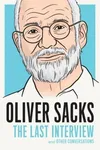



Oliver Sacks Books in Order

  • 70 Books
  • 1970 – 2019 Published

Amazon links here are affiliate links. As an Amazon Associate I earn from qualifying purchases.

Reading order
01
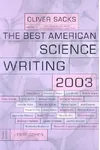
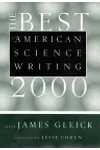
The Best American Science Writing 2003
2003 With: Joseph D'Agnese, Jesse Cohen
02
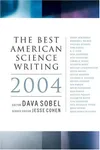
The Best American Science Writing 2004
2004 By: Jesse Cohen, Dava Sobel
03
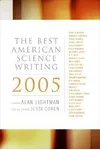
The Best American Science Writing 2005
2005 By: Jesse Cohen, Alan Lightman
04
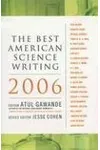
The Best American Science Writing 2006
2006 By: Jesse Cohen, Atul Gawande
05
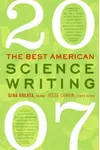
The Best American Science Writing 2007
2007 By: Jesse Cohen, Gina Kolata
06
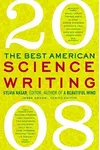
The Best American Science Writing 2008
2008 By: Jesse Cohen, Sylvia Nasar
07
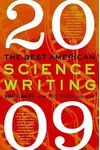
The Best American Science Writing 2009
2009 By: Jesse Cohen, Natalie Angier
08
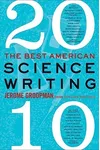
The Best American Science Writing 2010
2010 By: Jesse Cohen, Jerome Groopman
10
The Best American Science Writing 2012
2012 By: Jesse Cohen, Michio Kaku
01
Learning to Live Finally
2005 By: Jacques Derrida
03
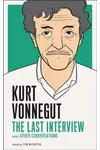
Kurt Vonnegut
Kurt Vonnegut
2011 By: Kurt Vonnegut
04
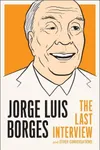
Jorge Luis Borges
Jorge Luis Borges
2012 By: Jorge Luis Borges
07
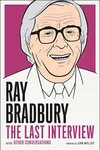
Ray Bradbury: The Last Interview
2014 By: Ray Bradbury, Sam Weller
08
Gabriel García Márquez
2015 By: Gabriel García Márquez
09
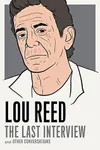
Lou Reed
Lou Reed
2015 By: Lou Reed
10
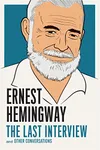
Ernest Hemingway
Ernest Hemingway
2015 By: Ernest Hemingway
12
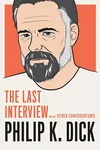
Philip K. Dick
Philip K. Dick
2015 By: Philip K. Dick
13
J. D. Salinger
2016 By: J.D. Salinger
15
Jane Jacobs
Jane Jacobs
2016 By: Jane Jacobs
16
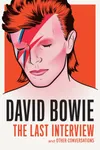
David Bowie
David Bowie
2016 By: David Bowie
18
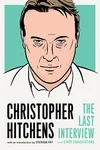
Christopher Hitchens
2017 By: Christopher Hitchens
19
Hunter S. Thompson
2018 By: Hunter S. Thompson
5 of 5 reading orders shown

Picture a British neurologist who turned the mysteries of the mind into captivating stories—meet Oliver Sacks! With his warm curiosity and knack for storytelling, Sacks transformed complex neurology into tales that touched millions. From his bestseller Awakenings to his explorations of music and memory, Sacks showed us the brain’s wonders through a lens of compassion.

Born in London in 1933, Sacks wasn’t just a doctor—he was a storyteller who found humanity in science. His books, blending case studies with vivid narratives, made him a literary icon and a bridge between medicine and the public.

The Making of Oliver Sacks

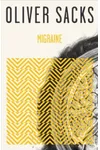
Oliver Wolf Sacks grew up in a family of physicians, surrounded by science and curiosity. As a shy, inquisitive child, he found solace in chemistry and biology, but a love for writing simmered beneath. After earning a medical degree from Oxford, Sacks moved to the U.S. in the 1960s, diving into neurology with a passion for patients’ stories. His early work with migraine patients sparked his fascination with the brain’s quirks, setting the stage for his unique career.

Unlike traditional doctors, Sacks saw patients as people with stories, not just symptoms. This perspective shaped his writing, which began with articles and evolved into books that captivated readers worldwide.

Oliver Sacks’s Unforgettable Stories

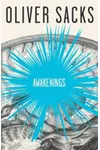
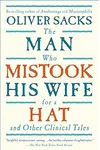
Sacks’s books are a blend of science, empathy, and literary flair. His breakthrough, Awakenings (1973), chronicles patients who briefly ‘awoke’ from decades-long catatonia after a drug treatment. The book’s heartfelt storytelling inspired a 1990 film starring Robin Williams. In The Man Who Mistook His Wife for a Hat (1985), Sacks explores bizarre neurological disorders, like a man unable to recognize faces, with warmth and wonder.

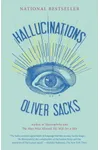
Musicophilia (2007) dives into music’s profound effects on the brain, from patients with amnesia to those with synesthesia. Hallucinations (2012) unravels the science behind visions, demystifying them with Sacks’s signature empathy. His style—clear, compassionate, and rich with anecdotes—makes complex science accessible, inviting readers to marvel at the brain’s complexity.

Sacks’s themes often circle identity, perception, and resilience. He didn’t just report cases; he celebrated his patients’ humanity, making his work timeless and universal.

Why Oliver Sacks Matters

Oliver Sacks reshaped neurology by showing that science could be human and heartfelt. His books inspired doctors to listen more closely and readers to appreciate the brain’s mysteries. His influence spans literature, film, and medicine, with Awakenings and other works sparking discussions about patient care and consciousness.

After his death in 2015, Sacks’s legacy endures through his books and the countless lives he touched. He remains a beacon for anyone curious about the mind and the stories it holds.

About Oliver Sacks

  • Born: July 9, 1933, in London, England
  • Key Works: Awakenings, The Man Who Mistook His Wife for a Hat, Musicophilia
  • Awards: Guggenheim Fellow, Lewis Thomas Prize for science writing
  • Died: August 30, 2015

Ready to explore the brain’s wonders? Snag The Man Who Mistook His Wife for a Hat and dive into Oliver Sacks’s captivating world of neurology and storytelling!

Frequently Asked

Who was Oliver Sacks?

Oliver Sacks was a British neurologist and author who turned brain science into gripping stories. His books, like Awakenings, blend compassion and curiosity, making neurology accessible and human. A literary icon, he died in 2015 but still inspires readers and doctors.

What is Oliver Sacks’s most famous book?

Awakenings (1973) is Oliver Sacks’s most famous book. It tells the moving story of catatonic patients briefly revived by a drug, showcasing his empathetic storytelling. The book inspired a 1990 film starring Robin Williams.

What inspired Oliver Sacks to write?

Oliver Sacks was inspired by his patients’ unique stories and his love for science and literature. His work with neurological disorders, like migraines and catatonia, fueled his desire to share the human side of medicine through vivid narratives.

Why is Oliver Sacks important to neurology?

Oliver Sacks revolutionized neurology by blending science with empathy. His books, like The Man Who Mistook His Wife for a Hat, humanized patients and inspired doctors to prioritize storytelling, influencing both medicine and public understanding of the brain.

What themes does Oliver Sacks explore in his books?

Oliver Sacks’s books explore themes of identity, perception, and resilience. Through works like Musicophilia and Hallucinations, he delves into how the brain shapes our experiences, celebrating the humanity behind neurological quirks.