
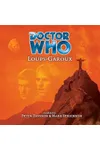
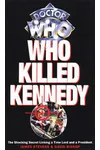
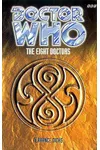

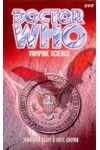
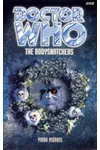
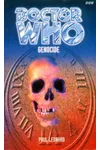

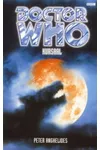
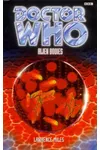
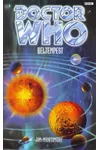
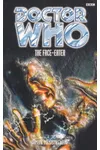
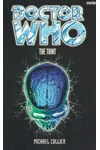
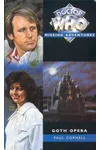
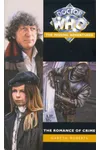
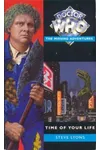
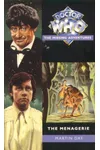
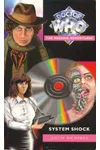
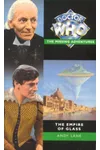
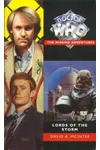
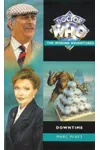
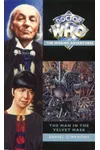
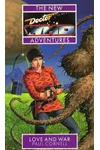


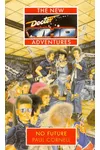
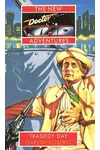
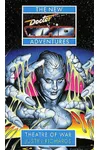
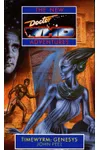
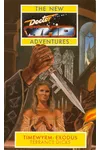
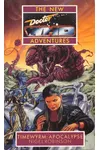
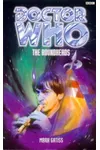
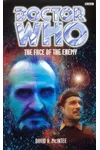
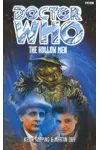
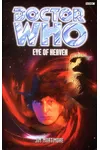
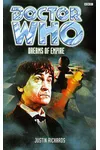
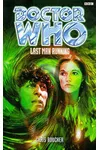
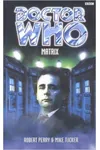
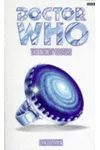
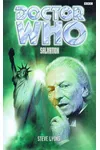
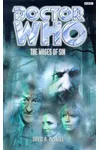
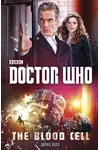
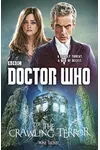

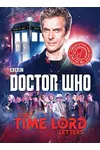
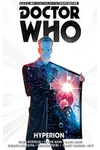
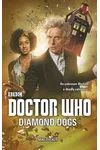
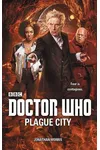
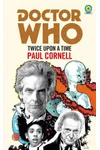
Picture a British storyteller who’s spun tales for the TARDIS, crafted gritty urban fantasies, and even penned superhero sagas—meet Paul Cornell! This versatile writer has left his mark on science fiction and fantasy across prose, comics, and television, earning Hugo Award nominations in all three. With a knack for blending the fantastical with the deeply human, Cornell’s work, from Doctor Who to London Falling, keeps readers and viewers hooked.
Born on July 18, 1967, in the UK, Cornell’s imagination has always danced between the ordinary and the extraordinary. His ability to weave moral complexity into genre storytelling has made him a standout, whether he’s scripting time-traveling adventures or exploring London’s supernatural underbelly. Let’s dive into the life and legacy of this multi-talented creator!
The Making of Paul Cornell
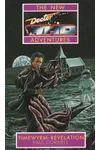
Growing up in Gloucestershire, Paul Cornell was a sci-fi enthusiast from a young age, devouring books by Frank Herbert and dreaming of stories that could spark wonder. His early love for Doctor Who fueled his entry into writing, starting with fan fiction for fanzines like Queen Bat. In 1990, his career kicked off when his script Kingdom Come won a BBC young writers’ competition, airing on BBC Two. This victory led to his first Doctor Who novel, Timewyrm: Revelation, for Virgin Publishing’s New Adventures series, marking his rise as a fan-turned-pro.
Cornell’s television career blossomed in the 1990s with contributions to children’s shows like Children’s Ward and his own creation, Wavelength. His leap to adult TV came with Granada’s supernatural soap Springhill, cementing his reputation as a versatile storyteller. These early steps laid the groundwork for his genre-defining work across multiple mediums.
Paul Cornell’s Unforgettable Stories
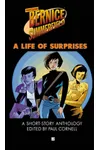
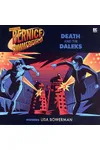
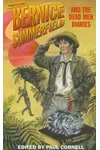
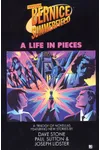
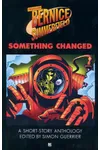
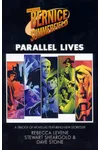
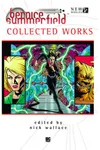
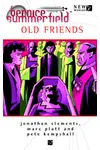
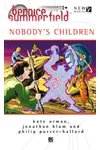
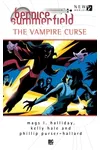
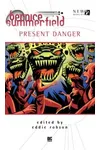
Cornell’s bibliography is a treasure trove of sci-fi and fantasy gems. His Doctor Who contributions are legendary, including the Hugo-nominated episodes “Father’s Day” (2005) and the two-part “Human Nature” / “The Family of Blood” (2007), adapted from his own novel. These stories blend emotional depth with timey-wimey brilliance, showcasing his ability to humanize the Doctor’s cosmic adventures. He also created Bernice Summerfield, a whip-smart archaeologist and Doctor Who companion who starred in her own novels and audio dramas.
In prose, Cornell’s Shadow Police series—starting with London Falling (2012)—redefines urban fantasy. This gritty saga follows London cops who gain supernatural sight, battling occult forces in a vividly real city. The series, including The Severed Streets and Who Killed Sherlock Holmes?, balances noirish police procedurals with eerie magic. His Witches of Lychford novellas, beginning with Witches of Lychford (2015), explore rural fantasy with charm, focusing on a village torn by supernatural and social divides.
In comics, Cornell has tackled heavyweights like Batman, Wolverine, and Captain Britain, earning an Eagle Award for his work. His creator-owned series Saucer Country, a sci-fi political thriller, and This Damned Band, a rock-and-roll horror tale, highlight his genre-blending prowess. Cornell’s style—marked by strong female leads, moral dilemmas, and a love for England’s landscapes—shines across all his work.
Why Paul Cornell Matters
Paul Cornell’s impact lies in his ability to make the fantastical feel personal. His stories, whether set in the TARDIS or a haunted London, explore identity, morality, and community, resonating with readers and viewers worldwide. As one of only two people Hugo-nominated in prose, comics, and TV, he’s a trailblazer in cross-media storytelling. His creation of Bernice Summerfield expanded the Doctor Who universe, while his urban fantasies have redefined how we see cities and magic.
Cornell’s ethical imagination, as noted by critics, brings a moral weight to genre fiction, making his work both entertaining and thought-provoking. His podcasts, like Hammer House of Podcast, and his engaging online presence keep him connected with fans, ensuring his influence endures in sci-fi and fantasy circles.
About Paul Cornell
- Born: July 18, 1967, UK
- Key Works: London Falling, Witches of Lychford, Doctor Who: Human Nature
- Awards: BSFA Award (Short Fiction), Eagle Award (Comics), Writer’s Guild Award (TV)
- Fun Fact: He’s a self-described Fortean, intrigued by anomalies and the unexplained!
Snag London Falling or Witches of Lychford and dive into Paul Cornell’s thrilling blend of magic, mystery, and heart!