
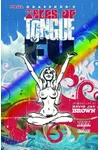
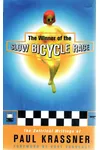
Paul Krassner Books in Order

  • 83 Books
  • 1965 – 2024 Published

Amazon links here are affiliate links. As an Amazon Associate I earn from qualifying purchases.

Reading order
01
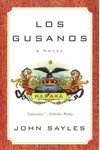
Los Gusanos
Los Gusanos
1991 By: John Sayles
02
The Best of The Nation
2000 By: Victor Navasky, vanden Heuvel, Katrina
03
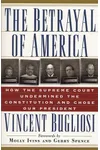
The Betrayal of America
2001 By: Vincent Bugliosi
04
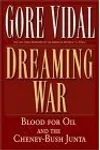
Dreaming War
Dreaming War
2002 By: Gore Vidal
05
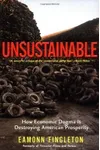
Unsustainable
Unsustainable
2003 By: Eamonn Fingleton
06
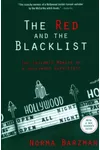
The Red and the Blacklist
2003 By: Norma Barzman
07
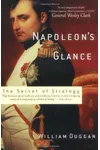
Napoleon's Glance
Napoleon's Glance
2003 By: William Duggan
08
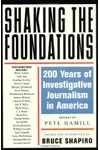
Shaking the Foundations
2003 By: Pete Hamill, Bruce Shapiro
09
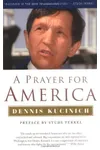
A Prayer for America
2003 By: Dennis Kucinich
10
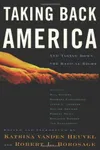
Taking Back America
Taking Back America
2004 By: Katrina Vanden Heuvel, Robert L. Borosage
11
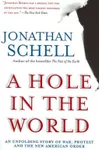
A Hole in the World
A Hole in the World
2004 By: Jonathan Schell
12
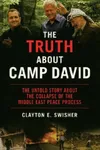
The Truth About Camp David
2004 By: Clayton E. Swisher
13
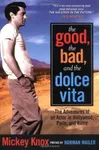
The Good, the Bad and the Dolce Vita
2004 By: Norman Mailer, Mickey Knox
14
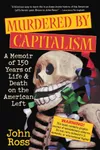
Murdered by Capitalism
2004 By: John Ross
15
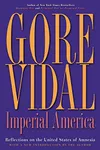
Imperial America
Imperial America
2004 By: Gore Vidal
16
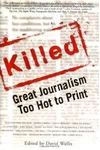
Killed
Killed
2004 By: David Wallis
17
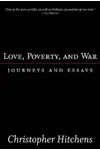
Love, Poverty, and War
2004 By: Christopher Hitchens
18
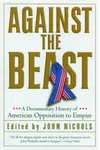
Against the Beast
Against the Beast
2004 By: John Nichols
19
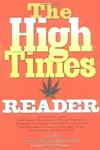
The High Times Reader
2004 With: Ann Nocenti, Ruth Baldwin
20
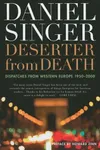
Deserter from Death
Deserter from Death
2005 By: Howard Zinn, Daniel Singer
01
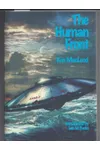
The Human Front
The Human Front
2001 By: Ken MacLeod
02
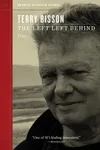
The Left Left Behind
2009 By: Terry Bisson, Eleanor Arnason
03
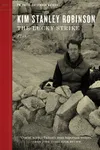
Lucky Strike
Lucky Strike
2009 By: Kim Stanley Robinson
04
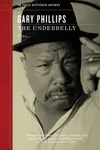
The Underbelly
The Underbelly
2010 By: Gary Phillips, Eleanor Arnason
05
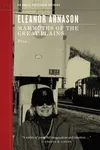
Mammoths of the Great Plains
2010 By: Eleanor Arnason
06
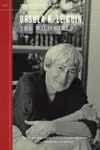
The Wild Girls
The Wild Girls
2011 By: Ursula K. Le Guin, Eleanor Arnason
07
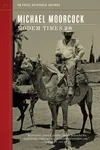
Modem Times 2.0
Modem Times 2.0
2011 By: Michael Moorcock, Eleanor Arnason
08
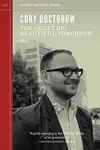
The Great Big Beautiful Tomorrow
2011 By: Cory Doctorow, Eleanor Arnason
09
Report from Planet Midnight
2012 By: Nalo Hopkinson, Eleanor Arnason
10
The Science of Herself
2013 By: Karen Joy Fowler, Eleanor Arnason
12
New Taboos
New Taboos
2013 By: John Shirley
13
Raising Hell
Raising Hell
2014 By: Norman Spinrad, Eleanor Arnason
14
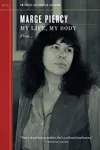
My Life, My Body
My Life, My Body
2015 By: Marge Piercy
15
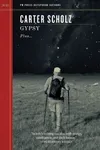
Gypsy
Gypsy
2015 By: Carter Scholz, Eleanor Arnason
16
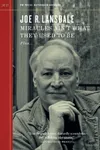
Miracles Ain't What They Used to Be
2016 By: Joe R. Lansdale, Eleanor Arnason
17
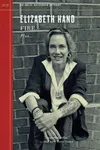
Fire.
Fire.
2017 By: Elizabeth Hand, Eleanor Arnason
18
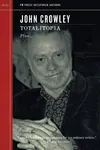
Totalitopia
Totalitopia
2017 By: John Crowley
19
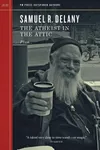
The Atheist in the Attic
2018 By: Samuel R. Delany, Eleanor Arnason
20
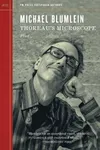
Thoreau's Microscope
2018 By: Michael Blumlein, Eleanor Arnason
01
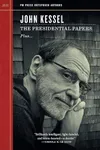
The Presidential Papers
1984 By: John H. Kessel
02
The Human Front
The Human Front
2001 By: Ken MacLeod
03
The Underbelly
The Underbelly
2010 By: Gary Phillips, Eleanor Arnason
04
Mammoths of the Great Plains
2010 By: Eleanor Arnason
05
Modem Times 2.0
Modem Times 2.0
2011 By: Michael Moorcock, Eleanor Arnason
06
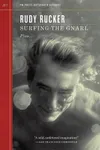
Surfing the Gnarl
Surfing the Gnarl
2012 By: Rudy Rucker
08
Raising Hell
Raising Hell
2014 By: Norman Spinrad, Eleanor Arnason
09
Gypsy
2015 By: Carter Scholz
10
Miracles Ain't What They Used to Be
2016 By: Joe R. Lansdale, Eleanor Arnason
11
Fire.
Fire.
2017 By: Elizabeth Hand, Eleanor Arnason
12
The Atheist in the Attic
2018 By: Samuel R. Delany, Eleanor Arnason
13
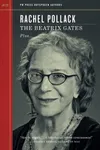
The Beatrix Gates
The Beatrix Gates
2019 By: Rachel Pollack
14
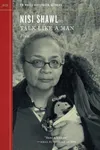
Talk Like a Man
Talk Like a Man
2019 By: Nisi Shawl
15
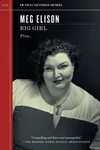
Big Girl
Big Girl
2020 By: Meg Elison
16
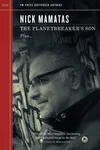
Planetbreaker’s Son
Planetbreaker’s Son
2021 By: Nick Mamatas
17
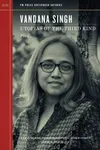
Utopias of the Third Kind
2021 By: Vandana Singh
18
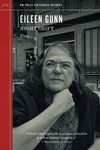
Night Shift
Night Shift
2022 By: Eileen Gunn
19
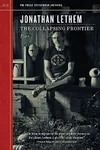
The Collapsing Frontier
2024 By: Jonathan Lethem
5 of 5 reading orders shown

Picture a satirist who turned irreverence into an art form, shaking up the 1960s with wit sharper than a violin bow—meet Paul Krassner! Born in 1932, this American counterculture icon founded The Realist, a magazine that blended biting satire with fearless journalism, and co-created the Yippie movement, leaving a legacy of free expression that still resonates. From Carnegie Hall at age six to dodging Chicago cops in 1968, Krassner’s life was a wild, hilarious rebellion against the status quo.

The Making of Paul Krassner

Born in Brooklyn, New York, Paul Krassner was a child prodigy, playing violin at Carnegie Hall at just six years old. But music wasn’t his calling—laughter was. Raised in a Jewish family, he rejected religion as 'organized superstition' and dove into journalism at Baruch College. His early gigs at The Independent, an anti-censorship paper, and freelancing for Mad magazine sparked his satirical fire. By 1958, craving a platform for adult humor, he launched The Realist, a mimeographed zine that became the voice of the counterculture.

Krassner’s mentor, comedian Lenny Bruce, pushed him to perform stand-up as 'Paul Maul' at New York’s Village Gate. Bruce’s fearless style shaped Krassner’s own, blending humor with social critique. This fusion set the stage for his role as a prankster-activist, from joining Ken Kesey’s Merry Pranksters to co-founding the Youth International Party (Yippies) in 1967, a name he coined while riffing on 'hippie.'

Paul Krassner’s Unforgettable Works

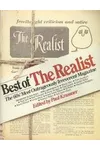
The Realist (1958–1974) was Krassner’s masterpiece, a 'Mad magazine for adults' that tackled taboos like abortion, racism, and war with uncensored gusto. Its 1967 'Disneyland Memorial Orgy' poster, illustrated by Wally Wood, shocked with Disney characters in risqué antics, cementing its rebellious spirit. Another infamous piece, a fictional 1967 article claiming Lyndon B. Johnson desecrated JFK’s corpse, sparked outrage but highlighted Krassner’s knack for provocative satire.

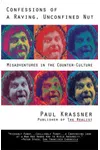
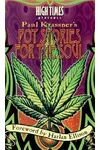
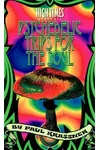
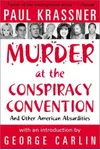
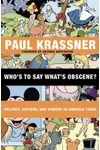
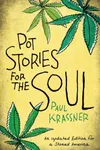
Krassner’s books were equally bold. How a Satirical Editor Became a Yippie Conspirator in Ten Easy Years (1971) collected his best Realist pieces, while Confessions of a Raving, Unconfined Nut: Misadventures in Counter-Culture (1994) chronicled his wild journey. Pot Stories for the Soul (1999) and Psychedelic Trips for the Mind (2001) celebrated drug culture with humor, reflecting his LSD-fueled adventures with figures like Groucho Marx. His 2009 essay collection, Who’s to Say What’s Obscene?, dissected comedy and politics with razor-sharp insight.

His style—part journalism, part prank—mixed truth with absurdity, earning praise from George Carlin, who called him 'funnier than Danny Kaye, more powerful than Jerry Lewis.' Krassner’s work wasn’t just funny; it challenged censorship and empowered voices like Lenny Bruce, whose autobiography he edited, to push free speech boundaries.

Why Paul Krassner Matters

Paul Krassner’s impact on American counterculture is undeniable. The Realist laid the groundwork for satirical outlets like National Lampoon, while the Yippies’ stunts—like nominating a pig for president in 1968—made activism fun and visible. His abortion referral network in the 1960s saved lives, and his advocacy for free speech, drug legalization, and anti-war causes shaped progressive movements. Inducted into the Counterculture Hall of Fame in 2001, Krassner’s legacy lives in every comedian, writer, or activist who dares to challenge 'The Man.'

About Paul Krassner

  • Born: April 9, 1932, Brooklyn, New York
  • Died: July 21, 2019, Desert Hot Springs, California
  • Key Works: The Realist, Confessions of a Raving, Unconfined Nut, Pot Stories for the Soul
  • Awards: Firecracker Alternative Book Award (2000), Counterculture Hall of Fame (2001)

Ready to laugh and rebel? Grab Confessions of a Raving, Unconfined Nut and dive into Paul Krassner’s fearless, funny world of satire!

Frequently Asked

Who was Paul Krassner?

Paul Krassner (1932–2019) was an American satirist, author, and counterculture icon who founded The Realist, a groundbreaking satirical magazine, and co-created the Yippie movement. Known for his irreverent humor, he championed free speech and social activism.

What was The Realist magazine?

The Realist (1958–1974) was Paul Krassner’s satirical magazine, blending humor and journalism to tackle taboos like war, racism, and censorship. Called 'Mad for adults,' it featured provocative pieces and influenced underground press.

How did Paul Krassner coin the term Yippie?

In 1967, while brainstorming with activists, Paul Krassner riffed through the alphabet—Bippie, Dippie—landing on 'Yippie.' He backronymed it to Youth International Party, capturing the movement’s youthful, rebellious spirit.

What are Paul Krassner’s best books?

Paul Krassner’s top books include Confessions of a Raving, Unconfined Nut (1994), a wild memoir; Pot Stories for the Soul (1999), a humorous drug anthology; and Who’s to Say What’s Obscene? (2009), sharp satirical essays.

Why was Paul Krassner controversial?

Paul Krassner stirred controversy with provocative satire, like a 1967 Realist piece falsely claiming Lyndon B. Johnson desecrated JFK’s corpse. His uncensored takes on sex, drugs, and politics shocked but sparked free speech debates.

What was Paul Krassner’s impact on counterculture?

Paul Krassner shaped 1960s counterculture through The Realist, inspiring satirical media, and the Yippies, making activism fun. His advocacy for free speech, abortion access, and drug legalization influenced progressive movements.