

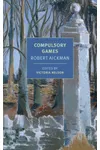
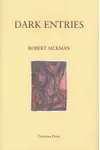

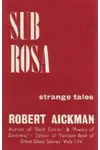
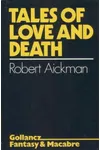
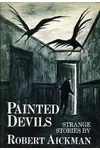
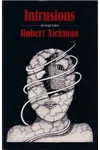
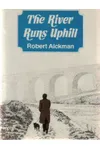


















Picture a British storyteller who wove eerie, unforgettable tales that linger like mist over a canal—meet Robert Aickman! Known for his 'strange stories,' Aickman blended psychological depth with supernatural chills, earning a cult following among horror aficionados. Beyond his haunting prose, he was a passionate conservationist, co-founding the Inland Waterways Association to save England’s canals. Ready to dive into his mysterious world?
Born in London in 1914, Aickman’s life was as layered as his fiction. His unique perspective and dedication to the uncanny made him a pioneer of contemporary supernatural fiction, inspiring writers like Neil Gaiman and Jeremy Dyson.
The Making of Robert Aickman
Robert Fordyce Aickman grew up in a turbulent household, shaped by his eccentric father, architect William Arthur Aickman, and his mother’s encouragement to write. His maternal grandfather, Richard Marsh, penned the occult thriller The Beetle, hinting at the eerie streak in Aickman’s DNA. After studying at Highgate School, he dabbled in his father’s architectural practice but was drawn to the arts. In 1944, he co-founded the Inland Waterways Association, sparked by L.T.C. Rolt’s book Narrow Boat. His conservation work preserved Britain’s canal network, but literature became his true calling. By 1951, he published his first stories alongside Elizabeth Jane Howard in We Are for the Dark.
Robert Aickman’s Unforgettable Stories
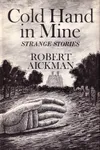
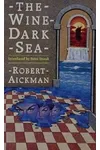
Aickman’s 'strange stories' defy traditional ghost tales, blending psychological unease with surreal, often ambiguous endings. His prose, rich with occult knowledge and vivid characters, evokes M.R. James and Walter de la Mare. His debut collection, Dark Entries (1964), features unsettling tales like 'Ringing the Changes,' where a couple encounters a chilling bell-ringing ritual. Cold Hand in Mine (1975) includes the World Fantasy Award-winning 'Pages from a Young Girl’s Journal,' a haunting vampire story. The Wine-Dark Sea (1988) showcases 'The Inner Room,' a creepy tale of a haunted doll’s house. Aickman’s stories, often compared to Shirley Jackson’s, leave readers questioning reality, with a creeping dread that lingers long after the final page.
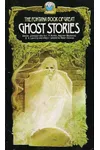
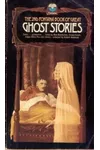
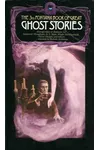
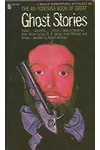
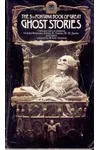
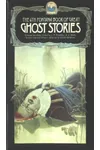
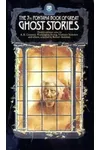
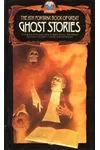
His style is deliberate, almost poetic, favoring atmosphere over shock. Themes of isolation, repressed desire, and the unknowable permeate his work, reflecting his fascination with the subconscious and the supernatural. Aickman also edited eight volumes of The Fontana Book of Great Ghost Stories, cementing his influence on the genre.
Why Robert Aickman Matters
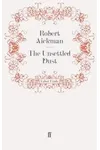
Aickman’s impact on supernatural fiction is profound yet understated, often overshadowed by mainstream authors. His 'strange stories' expanded the genre’s boundaries, inspiring modern horror writers like Neil Gaiman, who praises their enigmatic beauty. His conservation efforts with the Inland Waterways Association transformed Britain’s canals into vibrant recreational spaces, a legacy that endures today. Despite his niche status, Aickman’s work continues to captivate readers who crave stories that unsettle and intrigue. His 2014 centenary saw Faber & Faber reissue his collections, sparking renewed interest.
- Born: June 27, 1914, London, England
- Key Works: Dark Entries, Cold Hand in Mine, The Wine-Dark Sea
- Awards: World Fantasy Award (1975) for 'Pages from a Young Girl’s Journal'
- Conservation: Co-founder of the Inland Waterways Association
Snag Cold Hand in Mine and dive into Robert Aickman’s spellbinding strange stories—perfect for a spooky night by the canal!