







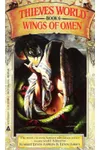
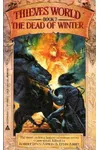
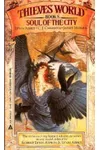
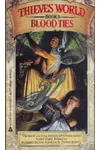









Picture an American storyteller who spun tales of demons, wizards, and interstellar misfits with a wink and a grin—meet Robert Asprin! Born in 1946, this science fiction and fantasy author brought humor and heart to the genre with his iconic Myth Adventures and Phule’s Company series. His knack for blending wit with worldbuilding made him a beloved figure, and his pioneering work on the Thieves’ World anthologies reshaped fantasy storytelling.
Before his passing in 2008, Asprin left behind a legacy of laughter and adventure, inviting readers into worlds where magic and mischief collide. Let’s dive into the life and works of this genre trailblazer!
The Making of Robert Asprin
Robert Lynn Asprin was born on June 28, 1946, in St. Johns, Michigan. A curious mind, he briefly attended the University of Michigan before serving in the U.S. Army from 1965 to 1966. Asprin was no stranger to creativity, immersing himself in science fiction fandom and co-founding the Great Dark Horde in the Society for Creative Anachronism under the playful alias 'Yang the Nauseating.' His early career as an accountant for Xerox was a far cry from the fantastical worlds he’d later craft, but a conversation with author Gordon Dickson sparked his debut novel, The Cold Cash War, in 1977, launching his writing journey.
Robert Asprin’s Unforgettable Stories
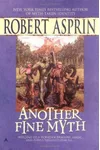
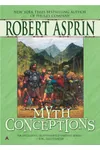
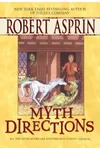
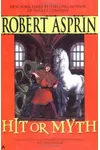
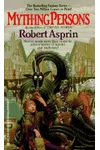
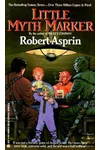
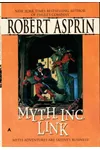
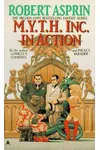
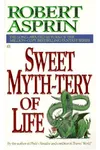
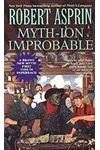
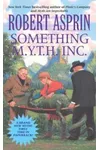
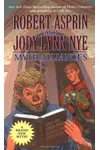
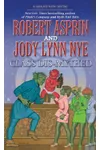
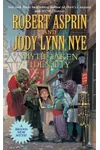
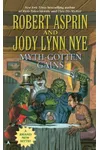
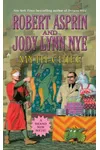
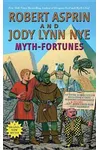
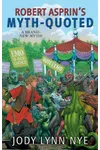
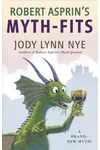
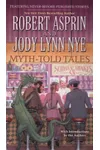
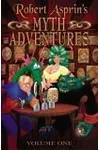
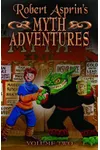
Asprin’s storytelling shone in his Myth Adventures series, starting with Another Fine Myth (1978). This lighthearted saga follows Skeeve, a bumbling apprentice magician, and Aahz, a sharp-tongued demon, as they navigate a multiverse filled with dragons, imps, and hilarious predicaments. Known for its breezy humor and accessible fantasy, the series, later continued with Jody Lynn Nye, remains a fan favorite.
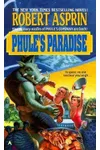
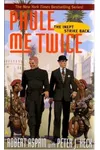
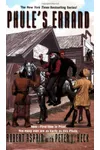
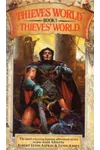
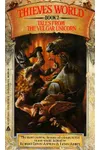
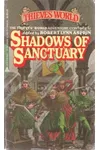
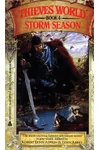
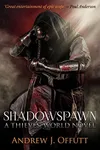
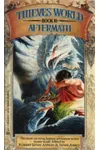
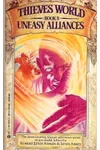
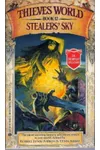
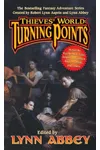
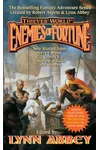
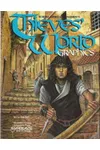
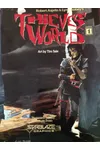
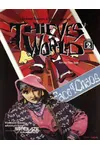
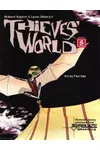
Equally beloved is Phule’s Company (1990), a sci-fi romp about a millionaire captain leading a ragtag Space Legion unit. Often described as 'M*A*S*H in space,' it showcases Asprin’s knack for blending satire with camaraderie. Asprin also pioneered the shared-world anthology with Thieves’ World (1978), co-edited with Lynn Abbey. This groundbreaking series united authors like C.J. Cherryh and Poul Anderson to tell interwoven stories in the gritty city of Sanctuary, influencing modern fantasy anthologies.
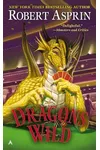
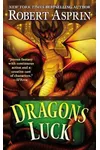
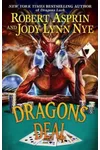
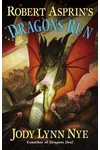
His later works, like the Dragons series set in New Orleans, explored urban fantasy with a darker edge, reflecting his love for the city’s mystique. Asprin’s style—playful, character-driven, and rich with puns—made his stories feel like a chat with a witty friend.
Why Robert Asprin Matters
Asprin’s influence on fantasy and science fiction is undeniable. Thieves’ World set a new standard for collaborative storytelling, inspiring shared universes in books and games. His humorous approach made fantasy accessible, inviting readers who might shy away from denser epics. Despite personal and financial struggles in the 1990s, his return to writing in the 2000s with collaborations like NO Quarter showed his resilience and passion.
Asprin’s characters, from Skeeve’s earnest charm to Phule’s unconventional leadership, continue to resonate, proving that humor and heart can triumph in any universe. His work remains a gateway for new readers to explore speculative fiction.
- Born: June 28, 1946, St. Johns, Michigan
- Key Works: Myth Adventures, Phule’s Company, Thieves’ World
- Notable Recognition: Nominated for Hugo Award (1976) for The Capture
- Died: May 22, 2008
Snag Another Fine Myth or Phule’s Company and dive into Robert Asprin’s whimsical worlds—your next adventure awaits!