


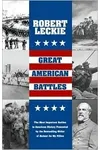
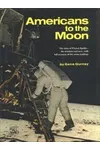
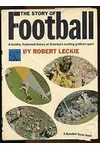
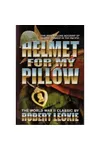




Picture a Marine turned storyteller who brought the raw, gritty reality of World War II to life—meet Robert Leckie! Born in 1920, Leckie swapped a rifle for a pen, crafting over 40 books that blend vivid prose with unflinching honesty. His memoir Helmet for My Pillow remains a cornerstone of military history, inspiring readers and even an HBO series.
From the jungles of Guadalcanal to the pages of history, Leckie’s journey is one of courage, wit, and a relentless drive to tell it like it was. Let’s dive into the life of this remarkable author and historian!
The Making of Robert Leckie
Robert Hugh Leckie was born on December 18, 1920, in Philadelphia, Pennsylvania, to an Irish Catholic family of eight children. Raised in Rutherford, New Jersey, he was a bit of a rebel, often skipping high school to smoke by the Passaic River. Yet, his knack for words shone early, landing him a gig as a sports writer for The Bergen Evening Record at 16. The 1941 Pearl Harbor attack changed everything—Leckie enlisted in the U.S. Marine Corps the next day, serving as a machine gunner and scout in the 1st Marine Division. His wartime experiences in the Pacific would shape his life’s work.
Robert Leckie’s Unforgettable Stories
Leckie’s writing is a masterclass in blending raw emotion with historical precision. His first book, Helmet for My Pillow (1957), is a searing memoir of his Pacific Theater service, from boot camp at Parris Island to brutal battles on Guadalcanal, Cape Gloucester, and Peleliu. Its vivid, poetic prose—described by Tom Hanks as a “grand and epic prose poem”—captures the chaos and camaraderie of war. The book won the Marine Corps Combat Correspondents Association Award and inspired HBO’s The Pacific.
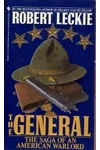
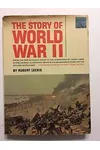
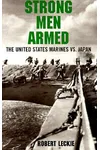
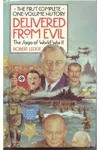
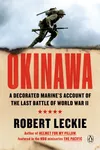
Beyond his memoir, Leckie penned sweeping histories like Delivered from Evil: The Saga of World War II (1987), a comprehensive look at the global conflict, and Strong Men Armed (1962), which chronicles the Marines’ Pacific campaign. His 1995 book Okinawa: The Last Battle of World War II offers a concise yet gripping account of that pivotal clash. Leckie’s style is unflinchingly honest, often irreverent, and always empathetic, reflecting his own struggles with duty and mortality.
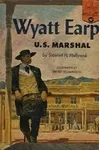
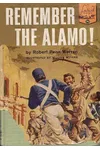
With over 40 books, from the French and Indian War to Desert Storm, Leckie’s versatility shines. He also dabbled in fiction, sports, and children’s books, but his military histories remain his legacy’s heart, marked by meticulous research and a storyteller’s flair.
Why Robert Leckie Matters
Leckie’s work does more than recount battles; it humanizes them. His raw, anti-heroic perspective in Helmet for My Pillow shattered romanticized views of war, influencing how we understand the soldier’s experience. The HBO series The Pacific (2010), co-produced by Tom Hanks and Steven Spielberg, brought his story to millions, cementing his cultural impact. Leckie’s books remain vital for historians, students, and readers seeking unvarnished truths about sacrifice and survival.
His legacy endures through his commitment to preserving veterans’ stories. Despite battling Alzheimer’s until his death in 2001, Leckie’s words continue to educate and inspire, reminding us of the cost of freedom and the power of storytelling.
About Robert Leckie
- Born: December 18, 1920, Philadelphia, Pennsylvania
- Key Works: Helmet for My Pillow, Delivered from Evil, Strong Men Armed, Okinawa
- Awards: Marine Corps Combat Correspondents Association Award, Naval Commendation Medal with Combat V, Purple Heart
- Died: December 24, 2001, Byram Township, New Jersey
Snag Helmet for My Pillow and dive into Robert Leckie’s gripping, gut-punch storytelling! His books are a front-row seat to history—raw, real, and unforgettable.