
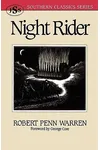
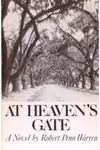
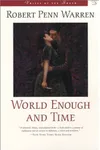
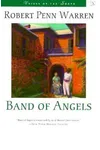




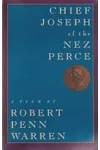


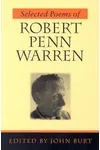
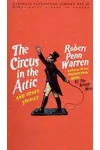
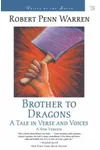

















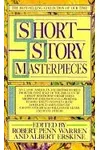


Picture a Southern storyteller who spun tales of power, betrayal, and the human spirit—meet Robert Penn Warren! Born in Kentucky’s rolling hills, Warren became a literary giant, the only writer to snag Pulitzer Prizes for both fiction and poetry. His masterpiece, All the King’s Men, crackles with political intrigue, while his poetry dances with profound insight. Let’s dive into the life and legacy of this American icon.
The Making of Robert Penn Warren
Robert Penn Warren entered the world on April 24, 1905, in Guthrie, Kentucky, where tobacco fields and small-town life shaped his early years. A bookish child, he devoured literature and history, fueling his imagination. At Vanderbilt University, he joined the Fugitives, a group of poets championing Southern identity. By his twenties, Warren was teaching, writing, and laying the groundwork for a storied career, blending gritty realism with lyrical flair.
Robert Penn Warren’s Unforgettable Stories
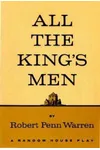
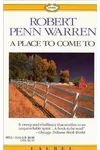
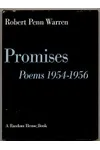
Warren’s 1946 novel All the King’s Men is his crown jewel, a Pulitzer Prize-winning saga inspired by Louisiana’s larger-than-life politician Huey Long. It follows Willie Stark, a charismatic yet corrupt governor, and Jack Burden, his introspective aide, weaving themes of power and morality. His poetry, like Promises (1957) and Audubon: A Vision (1969), earned Pulitzers for its vivid imagery and meditations on nature and identity. Warren’s style—rich, layered, and steeped in Southern Gothic—captures the messy beauty of human struggle. Later works, like A Place to Come To (1977), show his knack for introspective characters grappling with their pasts.
His essays and criticism, including co-founding The Southern Review, also left a mark. Warren didn’t just write; he dissected literature’s role in understanding life, influencing generations of writers and scholars.
Why Robert Penn Warren Matters
Warren’s work endures because it wrestles with timeless questions: What drives ambition? How do we live with our choices? His blend of political drama and poetic depth resonates in today’s polarized world. As a teacher at Yale and a critic, he shaped literary discourse, championing art’s power to reveal truth. From classrooms to bookshelves, Warren’s voice still inspires, urging us to confront our own complexities.
About Robert Penn Warren
- Born: April 24, 1905, Guthrie, Kentucky
- Key Works: All the King’s Men, Promises, Audubon: A Vision
- Awards: Three Pulitzer Prizes (Fiction, 1947; Poetry, 1958, 1979), National Book Award
- Died: September 15, 1989, Stratton, Vermont
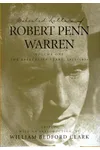
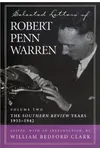
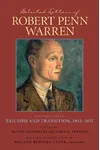
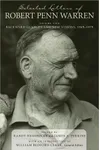
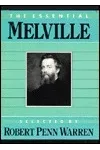
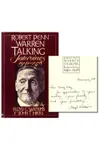
Image: Portrait of Robert Penn Warren, capturing his thoughtful gaze, circa 1960s (alt: Portrait of Robert Penn Warren).
Ready to explore a literary legend? Snag All the King’s Men and dive into Warren’s gripping world of power and poetry!