


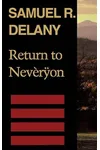
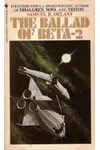
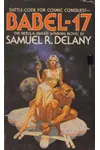
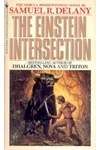
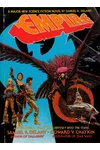

























































Samuel R. Delany Books in Order

  • 145 Books
  • 1962 – 2024 Published

Amazon links here are affiliate links. As an Amazon Associate I earn from qualifying purchases.

Reading order
01
The Human Front
The Human Front
2001 By: Ken MacLeod
02
The Left Left Behind
2009 By: Terry Bisson, Eleanor Arnason
03
Lucky Strike
Lucky Strike
2009 By: Kim Stanley Robinson
04
The Underbelly
The Underbelly
2010 By: Gary Phillips, Eleanor Arnason
05
Mammoths of the Great Plains
2010 By: Eleanor Arnason
06
The Wild Girls
The Wild Girls
2011 By: Ursula K. Le Guin, Eleanor Arnason
07
Modem Times 2.0
Modem Times 2.0
2011 By: Michael Moorcock, Eleanor Arnason
08
The Great Big Beautiful Tomorrow
2011 By: Cory Doctorow, Eleanor Arnason
09
Report from Planet Midnight
2012 By: Nalo Hopkinson, Eleanor Arnason
10
The Science of Herself
2013 By: Karen Joy Fowler, Eleanor Arnason
11
12
New Taboos
New Taboos
2013 By: John Shirley
13
Raising Hell
Raising Hell
2014 By: Norman Spinrad, Eleanor Arnason
14
My Life, My Body
My Life, My Body
2015 By: Marge Piercy
15
Gypsy
Gypsy
2015 By: Carter Scholz, Eleanor Arnason
16
Miracles Ain't What They Used to Be
2016 By: Joe R. Lansdale, Eleanor Arnason
17
Fire.
Fire.
2017 By: Elizabeth Hand, Eleanor Arnason
18
Totalitopia
Totalitopia
2017 By: John Crowley
19
The Atheist in the Attic
2018 With: Eleanor Arnason
20
Thoreau's Microscope
2018 By: Michael Blumlein, Eleanor Arnason
01
The Presidential Papers
1984 By: John H. Kessel
02
The Human Front
The Human Front
2001 By: Ken MacLeod
03
The Underbelly
The Underbelly
2010 By: Gary Phillips, Eleanor Arnason
04
Mammoths of the Great Plains
2010 By: Eleanor Arnason
05
Modem Times 2.0
Modem Times 2.0
2011 By: Michael Moorcock, Eleanor Arnason
06
Surfing the Gnarl
Surfing the Gnarl
2012 By: Rudy Rucker
07
08
Raising Hell
Raising Hell
2014 By: Norman Spinrad, Eleanor Arnason
09
Gypsy
2015 By: Carter Scholz
10
Miracles Ain't What They Used to Be
2016 By: Joe R. Lansdale, Eleanor Arnason
11
Fire.
Fire.
2017 By: Elizabeth Hand, Eleanor Arnason
12
The Atheist in the Attic
2018 With: Eleanor Arnason
13
The Beatrix Gates
The Beatrix Gates
2019 By: Rachel Pollack
14
Talk Like a Man
Talk Like a Man
2019 By: Nisi Shawl
15
Big Girl
Big Girl
2020 By: Meg Elison
16
Planetbreaker’s Son
Planetbreaker’s Son
2021 By: Nick Mamatas
17
Utopias of the Third Kind
2021 By: Vandana Singh
18
Night Shift
Night Shift
2022 By: Eileen Gunn
19
The Collapsing Frontier
2024 By: Jonathan Lethem
9 of 9 reading orders shown

Picture a Harlem-born visionary who wove galaxies, identities, and revolutions into science fiction—meet Samuel R. Delany! Born in 1942, this African American author redefined speculative fiction with his daring exploration of race, sexuality, and society. A Hugo and Nebula award-winner, Delany’s lyrical prose and bold themes have captivated readers for over five decades, making him a true grandmaster of the genre.

Delany’s work isn’t just about spaceships or dystopias—it’s about humanity’s edges, where identity and culture collide. From his groundbreaking novels to his incisive essays, he’s a storyteller who challenges conventions and invites readers to think deeply. Let’s dive into the life and legacy of this literary trailblazer!

The Making of Samuel R. Delany

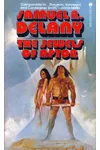
Samuel R. Delany, often called 'Chip,' grew up in Harlem, New York, surrounded by a vibrant cultural scene. Born to a prominent African American family, he attended the prestigious Dalton School and showed early talent in writing. By 19, he published his first novel, The Jewels of Aptor (1962), launching a career that would blend science fiction with literary depth. Influenced by modernist poets and his own experiences as a Black, gay man, Delany brought a unique perspective to a genre often dominated by white voices.

His early years weren’t without struggle—navigating identity in a racially divided America shaped his worldview. Yet, this fueled his creativity, leading to stories that pushed boundaries and questioned norms, earning him a devoted following.

Samuel R. Delany’s Unforgettable Stories

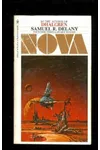
Delany’s bibliography is a treasure trove of innovative science fiction. His 1966 novel Babel-17, a Hugo Award nominee, explores language as a weapon, following poet and starship captain Rydra Wong in a dazzling linguistic adventure. Nova (1968) is a mythic space opera, blending gritty interstellar quests with poetic prose, showcasing Delany’s knack for merging high stakes with introspection.

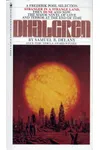
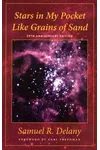
Perhaps his most celebrated work, Dhalgren (1975), is a sprawling, experimental masterpiece. Set in a surreal, post-apocalyptic city, it defies linear storytelling, tackling race, sexuality, and art through the lens of a mysterious protagonist, the Kid. Fans and critics alike praise its ambition, with over a million copies sold. Stars in My Pocket Like Grains of Sand (1984) further cements Delany’s legacy, offering a profound meditation on love and cultural difference in a far-future universe.

Delany’s style is both cerebral and accessible, weaving complex ideas—semiotics, queer theory, racial dynamics—into vivid narratives. His characters, often outsiders, resonate with readers seeking stories that reflect diverse experiences, making his work timeless and revolutionary.

Why Samuel R. Delany Matters

Samuel R. Delany didn’t just write science fiction—he expanded its possibilities. As one of the first prominent Black authors in the genre, he challenged its homogeneity, paving the way for writers like Octavia E. Butler and N.K. Jemisin. His fearless exploration of marginalized identities gave voice to readers who rarely saw themselves in speculative fiction.

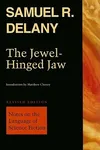
Beyond novels, Delany’s essays, like those in The Jewel-Hinged Jaw, reshaped science fiction criticism, earning him the Science Fiction and Fantasy Writers of America’s Grand Master title in 2013. As an educator, he inspired generations at universities like Temple and UMass Amherst. His influence endures, inviting new readers to question, dream, and create.

  • Born: April 1, 1942, in Harlem, New York
  • Key Works: Babel-17, Dhalgren, Nova, Stars in My Pocket Like Grains of Sand
  • Awards: Multiple Hugo and Nebula Awards, SFWA Grand Master (2013)

Ready to explore uncharted worlds? Grab Dhalgren or Babel-17 and lose yourself in Samuel R. Delany’s bold, beautiful universe!

Frequently Asked

Who is Samuel R. Delany?

Samuel R. Delany is an African American science fiction author born in 1942 in Harlem. Known for works like Dhalgren and Babel-17, he explores race, sexuality, and identity, earning Hugo and Nebula awards and the SFWA Grand Master title.

What is Samuel R. Delany’s most famous book?

Dhalgren (1975) is Samuel R. Delany’s most famous book, a groundbreaking, experimental novel set in a surreal, post-apocalyptic city. Its exploration of race, art, and identity has sold over a million copies.

What themes does Samuel R. Delany explore in his writing?

Samuel R. Delany explores themes of race, sexuality, identity, and language in his science fiction. His works, like Babel-17 and Stars in My Pocket Like Grains of Sand, blend complex ideas with vivid storytelling.

Why is Samuel R. Delany important to science fiction?

Samuel R. Delany is a trailblazer in science fiction, diversifying the genre as a Black, gay author. His innovative narratives and essays, plus awards like the SFWA Grand Master, inspired writers like Octavia E. Butler.

What awards has Samuel R. Delany won?

Samuel R. Delany has won multiple Hugo and Nebula awards for his science fiction novels, including nominations for Babel-17 and Nova. He was named an SFWA Grand Master in 2013.