
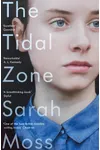
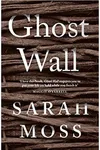
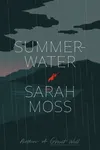
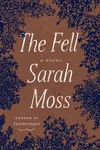
Picture a British storyteller who crafts haunting tales of human nature and history—meet Sarah Moss! With her sharp prose and knack for blending the personal with the profound, Moss has become a standout in contemporary literature. From the chilling Ghost Wall to the tender Night Waking, her stories pull you in and linger long after the last page.
Born in Glasgow and shaped by a life of academic rigor and global exploration, Moss weaves her experiences into narratives that explore motherhood, isolation, and the weight of the past. Let’s dive into the world of this award-winning author whose books are as thought-provoking as they are beautifully written.
The Making of Sarah Moss
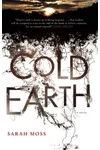
Sarah Moss was born in Glasgow, Scotland, in 1975, moving to Manchester at age two, where she grew up before heading to the University of Oxford. There, she earned a BA, Master of Studies, and D.Phil in English Literature, immersing herself in the literary world. Her academic journey took her from a postdoctoral fellowship at Oxford to lecturing at the University of Kent, and later, a transformative year teaching in Iceland after publishing her debut novel, Cold Earth, in 2009. This blend of scholarship and wanderlust infuses her work with a unique perspective, grounding her stories in vivid settings and intellectual depth.
Sarah Moss’s Unforgettable Stories
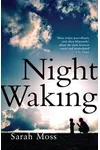
Moss’s novels are a masterclass in blending lyrical prose with unflinching explorations of human experience. Her debut, Cold Earth, is a gripping tale of archaeologists unearthing the past in Greenland, where personal and historical tensions collide. Night Waking (2011), which won the Jerwood Fiction Uncovered Prize, follows a mother grappling with sleepless nights and buried secrets on a remote Hebridean island, weaving humor and heartbreak.
Ghost Wall (2018), a slim yet powerful novel, earned acclaim for its chilling depiction of a teenage girl caught in an Iron Age reenactment that spirals into danger. Critics, including The New Yorker, praised its evocation of existential dread. Meanwhile, Summerwater (2020) captures a rain-soaked Scottish holiday park, where strangers’ lives intertwine with quiet menace, reflecting post-Brexit Britain. Moss’s style—witty, piercing, and deeply human—tackles themes like family, history, and societal fault lines, making her work both intimate and universal.
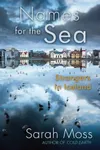
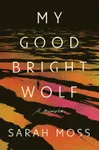
Her nonfiction, like Names for the Sea: Strangers in Iceland (2012), shortlisted for the RSL Ondaatje Prize, showcases her ability to blend memoir with cultural observation. Her recent memoir, My Good Bright Wolf (2024), bravely explores her battle with an eating disorder, cementing her reputation for raw, reflective storytelling.
Why Sarah Moss Matters
Sarah Moss’s impact lies in her ability to make the personal political, whether exploring motherhood’s complexities or the shadows of history. Her work, nominated three times for the Wellcome Book Prize and longlisted for the Women’s Prize for Fiction, resonates with readers and critics for its emotional depth and social commentary. As a Fellow of the Royal Society of Literature and a professor at University College Dublin, Moss inspires new writers to blend intellectual rigor with creative freedom.
Her novels, often set in isolated landscapes, mirror the inner lives of her characters, inviting readers to confront uncomfortable truths about human nature. In a world craving authentic voices, Moss delivers stories that are both timeless and urgently relevant.
- Born: 1975, Glasgow, Scotland
- Key Works: Cold Earth, Night Waking, Ghost Wall, Summerwater
- Awards: Jerwood Fiction Uncovered Prize (2011), multiple Wellcome Book Prize nominations
Ready to lose yourself in Sarah Moss’s haunting worlds? Grab Ghost Wall or Night Waking and discover why her stories are unforgettable!