


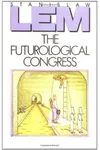


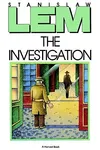






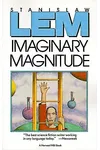

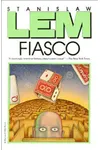






















Picture a Polish visionary who spun tales of cosmic mysteries and human limits—meet Stanislaw Lem! Born in 1921, Lem became a science fiction legend, blending wit, philosophy, and bold ideas. His masterpiece Solaris captivated millions, making him a global literary icon whose stories still spark wonder.
With over 27 million books sold in 41 languages, Lem’s unique voice—part scientist, part dreamer—reshaped sci-fi. Ready to explore his world? Let’s dive into the life and legacy of this extraordinary storyteller!
The Making of Stanislaw Lem
Stanislaw Lem was born on September 12, 1921, in Lviv, Poland (now Ukraine). Growing up in a Jewish family during turbulent times, he developed a sharp intellect and a love for science. He studied medicine but was drawn to writing, publishing his first stories in the 1940s. World War II and its aftermath shaped his skeptical yet curious worldview, which would define his work.
Lem’s early career flourished under Poland’s post-war regime, though he cleverly dodged censorship with allegory and satire. His knack for blending hard science with philosophical musings set him apart, earning him a devoted following.
Stanislaw Lem’s Unforgettable Stories
Lem’s bibliography is a treasure trove of mind-bending sci-fi. Solaris (1961), his most famous work, explores an alien planet with a sentient ocean that mirrors human fears and desires. It’s a haunting meditation on communication and the unknown, adapted into films by Andrei Tarkovsky and Steven Soderbergh.
Other gems include The Cyberiad (1965), a playful collection of stories about robot inventors, brimming with humor and satire. His Master’s Voice (1968) tackles humanity’s struggle to decode an extraterrestrial signal, probing the limits of science. Lem’s style—cerebral, witty, and deeply human—made complex ideas accessible, earning him comparisons to Kafka and Orwell.
His stories often wrestled with big questions: What does it mean to be human? Can we truly understand the universe? With sharp prose and imaginative worlds, Lem invited readers to ponder alongside him.
Why Stanislaw Lem Matters
Stanislaw Lem’s influence stretches far beyond sci-fi. His works inspired writers, filmmakers, and philosophers, shaping discussions on artificial intelligence, extraterrestrial life, and human consciousness. In Poland, he was a cultural giant, challenging readers to think critically in a censored society. Globally, his universal themes resonated, making him a rare literary bridge across cultures.
Today, Lem’s ideas feel prophetic in our tech-driven world. His ability to blend science, humor, and heart ensures his stories remain timeless, inviting new generations to question the cosmos and themselves.
About Stanislaw Lem
- Born: September 12, 1921, Lviv, Poland
- Key Works: Solaris, The Cyberiad, His Master’s Voice
- Awards: Polish State Prize, Kafka Prize
- Fun Fact: Lem’s books were so popular in the Soviet Union that they were smuggled across borders!
Snag Solaris or The Cyberiad and dive into Stanislaw Lem’s brilliant, thought-provoking sci-fi!