
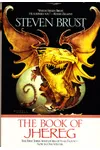
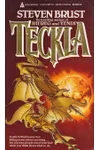
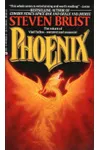
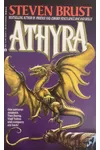
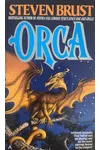
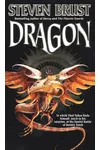
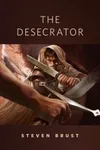
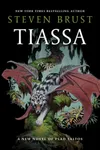
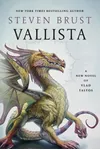
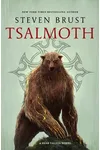
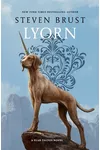
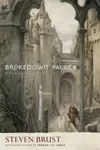
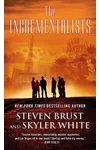
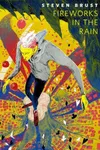

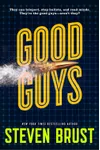
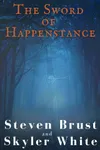
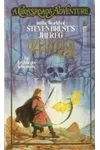



Picture a Hungarian-American storyteller who conjured an assassin with a sharp wit and a telepathic dragon—meet Steven Brust! Born in 1955, this fantasy and science fiction maestro is best known for his Vlad Taltos series, a dazzling blend of swashbuckling adventure and intricate world-building set in the magical realm of Dragaera. But Brust isn’t just a writer; he’s a musician, a thinker, and a self-proclaimed 'Trotskyist sympathizer' whose stories pulse with humor, rebellion, and heart.
With a knack for crafting tales that feel both epic and personal, Brust has carved a unique niche in contemporary fantasy. His works dance between high fantasy, hardboiled mystery, and social commentary, all while keeping readers hooked with his signature 'cool stuff' philosophy. Let’s dive into the life, works, and lasting impact of this multifaceted author.
The Making of Steven Brust
Steven Karl Zoltán Brust was born on November 23, 1955, in St. Paul, Minnesota, to a family of Hungarian labor organizers. Raised in a politically charged household, Brust’s early life was steeped in Marxist ideas, which later shaped the themes of class and power in his novels. He briefly attended the University of Minnesota but found his true calling in storytelling and music. Before becoming a full-time writer, Brust worked as a computer programmer and played drums for the Minneapolis band Cats Laughing, blending his creative passions.
Brust’s writing career kicked off in 1983 with Jhereg, the first Vlad Taltos novel. Inspired by his love for swashbuckling tales, Hungarian folklore, and a fascination with the Mafia, Brust created a world where cloaks and rapiers reign supreme. His involvement with the Scribblies, a writers’ group including Emma Bull and Patricia Wrede, honed his craft, setting the stage for a prolific career.
Steven Brust’s Unforgettable Stories
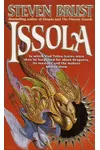
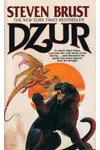
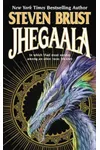
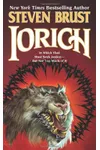
At the heart of Brust’s bibliography is the Vlad Taltos series, a 17-book saga (and counting) that follows Vlad, a human assassin navigating a world dominated by long-lived Dragaerans. Jhereg (1983) introduces Vlad and his jhereg familiar, Loiosh, whose sarcastic banter adds levity to the gritty narrative. Teckla (1987) dives into political upheaval, reflecting Brust’s Marxist leanings, while Vallista (2017) explores time-bending mysteries. Each novel blends swordplay, magic, and moral dilemmas, showcasing Brust’s ability to weave complex plots with accessible prose.
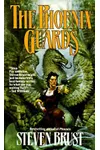
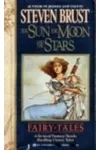
Beyond Vlad, Brust’s Khaavren Romances, starting with The Phoenix Guards (1991), channel Alexandre Dumas with a florid, humorous style set centuries before Vlad’s time. His standalone works, like To Reign in Hell (1984), a reimagining of Milton’s war in Heaven, and The Sun, the Moon, and the Stars (1987), a Hungarian folktale-inspired fantasy, highlight his versatility. Brust’s 'Cool Stuff Theory of Literature'—writing what he finds awesome, like cloaks over armor—infuses his stories with infectious enthusiasm.
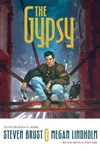
As a musician, Brust recorded a solo album, A Rose for Iconoclastes (1993), and contributed to Boiled in Lead’s Songs from The Gypsy. His lyrical storytelling often mirrors his music, blending rhythm and wit. Whether writing or drumming, Brust’s work is a celebration of creativity and rebellion.
Why Steven Brust Matters
Steven Brust’s impact lies in his ability to make fantasy feel fresh and relatable. His Vlad Taltos series redefined the genre by blending noir, fantasy, and social commentary, influencing authors who crave genre-bending narratives. Brust’s sharp dialogue and underdog heroes resonate with readers who see themselves in Vlad’s struggles against power. His unapologetic embrace of 'cool'—from rapiers to revolution—has inspired a cult following, with fans eagerly awaiting each new Dragaeran tale.
Brust’s legacy also shines in his community ties. His work with the Scribblies and Minneapolis music scene fostered a collaborative spirit that ripples through fantasy and folk circles. By staying true to his vision, Brust proves that storytelling is about passion, not trends, making him a beacon for aspiring writers and artists.
- Born: November 23, 1955, in St. Paul, Minnesota
- Key Works: Jhereg, The Phoenix Guards, To Reign in Hell
- Notable Trait: Drummer for Cats Laughing and solo musician
- Fun Fact: Endorses the Socialist Equality Party
About Steven Brust
Snag Jhereg and dive into Steven Brust’s swashbuckling, witty world of Dragaera! Whether you’re a fantasy fan or a music lover, there’s something undeniably cool about his stories.