



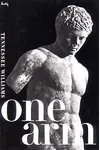

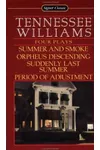






















































Picture a Southern storyteller who spun raw emotion into theatrical gold—meet Tennessee Williams! Born Thomas Lanier Williams III in 1911, this American playwright redefined theater with poetic dialogue and fearless dives into the human psyche. His masterpieces like The Glass Menagerie and A Streetcar Named Desire still captivate, blending heart-wrenching drama with unforgettable characters.
Williams’s life was as layered as his plays. From a turbulent childhood to his rise as a cultural icon, his work tackled love, loss, and taboo topics with unmatched intensity. Ready to step into his world? Let’s explore the man behind the curtain.
The Making of Tennessee Williams
Born in Columbus, Mississippi, Tennessee Williams grew up in a dysfunctional household. His domineering mother and distant father shaped his sensitive nature, while his sister Rose’s mental health struggles left a lasting mark. Moving to St. Louis as a child, Williams found solace in writing, churning out stories and poems. After flunking out of the University of Missouri, he worked odd jobs before earning a degree from the University of Iowa in 1938. His early plays, like Battle of Angels, hinted at the genius to come, fueled by his love for Southern Gothic and personal demons.
Tennessee Williams’s Unforgettable Stories
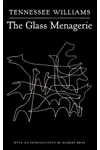
Williams’s plays are a masterclass in emotional storytelling. The Glass Menagerie (1944), his semi-autobiographical breakthrough, follows the fragile Wingfield family, with its dreamy Laura and her glass figurines. The play’s poetic realism set a new standard. Then came A Streetcar Named Desire (1947), a steamy, raw tale of Blanche DuBois’s unraveling in New Orleans. Its bold take on desire and mental collapse won a Pulitzer Prize. Cat on a Hot Tin Roof (1955), another Pulitzer winner, explores family secrets and repressed longing through the fiery Maggie the Cat. Williams’s style—lush language, complex characters, and themes of isolation and sexuality—broke taboos and redefined American theater.
His lesser-known works, like Suddenly Last Summer (1958), dive into darker corners, tackling cannibalism and psychological trauma with gothic flair. Williams drew from his life—his Southern roots, queer identity, and family struggles—infusing his plays with raw authenticity. His characters, often flawed and yearning, resonate across generations.
Why Tennessee Williams Matters
Tennessee Williams didn’t just write plays; he reshaped theater. His fearless exploration of human fragility and societal norms challenged audiences and inspired playwrights like Arthur Miller and Edward Albee. His works, translated into dozens of languages, remain staples in theaters worldwide. Beyond the stage, his influence permeates film and literature, with adaptations like Streetcar starring Marlon Brando cementing his cultural footprint. Williams’s ability to blend beauty with pain makes his stories timeless, speaking to anyone who’s ever felt like an outsider.
About Tennessee Williams
- Born: March 26, 1911, in Columbus, Mississippi
- Key Works: The Glass Menagerie, A Streetcar Named Desire, Cat on a Hot Tin Roof
- Awards: Two Pulitzer Prizes, Tony Award, Presidential Medal of Freedom
- Died: February 25, 1983, in New York City
Want to feel the pulse of Tennessee Williams’s genius? Grab A Streetcar Named Desire or catch a local production of The Glass Menagerie. Dive into his world of passion and poetry—you won’t look back!