
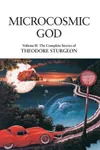
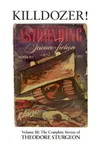
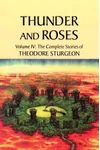
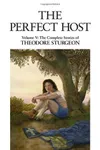
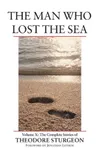
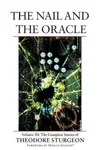
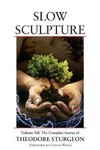
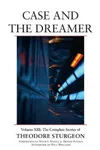
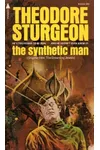
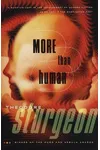
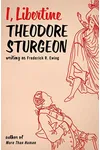
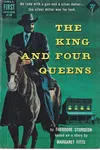
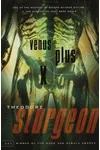
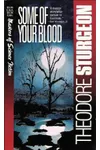

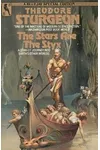

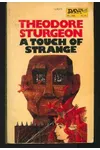
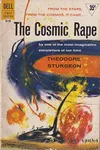
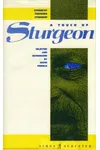
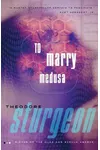
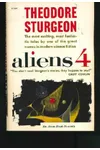

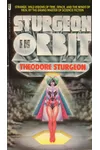

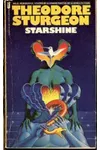
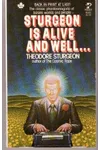
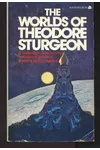
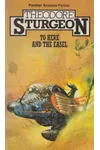
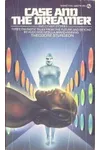
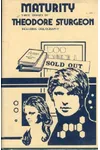





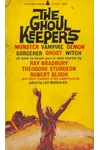
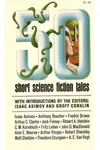

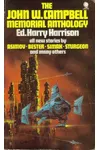
Picture an American storyteller who spun tales of humanity and wonder, blending science fiction with heart—meet Theodore Sturgeon! Born in 1918, Sturgeon transformed the genre with his lyrical prose and empathetic characters, crafting stories that linger like a favorite song. His novel More Than Human and iconic contributions to Star Trek cemented his legacy as a sci-fi legend.
Sturgeon’s work wasn’t just about spaceships or aliens; it explored what it means to be human, earning him a devoted following and critical acclaim. Let’s dive into the life and legacy of this visionary writer whose words still resonate today.
The Making of Theodore Sturgeon
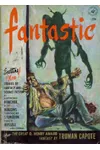
Born Edward Hamilton Waldo on February 26, 1918, in Staten Island, New York, Theodore Sturgeon adopted his stepfather’s surname and a new first name to match his bold personality. A gymnast in his youth, an injury redirected his energy toward writing. By his late teens, he was selling stories to pulp magazines, kicking off a career that would span decades. Influenced by the vibrant sci-fi scene of the 1930s and authors like H.G. Wells, Sturgeon honed a style that married poetic language with profound themes.
Theodore Sturgeon’s Unforgettable Stories
Sturgeon’s bibliography is a treasure trove of imagination. His 1953 novel More Than Human is a masterpiece, weaving a tale of psychic children who form a collective consciousness. The book won the International Fantasy Award and remains a cornerstone of sci-fi literature. Another gem, The Dreaming Jewels (1950), follows a runaway boy with extraordinary powers, blending adventure with emotional depth.
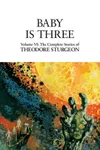
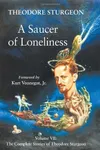
Short stories were Sturgeon’s playground, with classics like “Baby Is Three” and “A Saucer of Loneliness” showcasing his knack for concise yet powerful narratives. His writing style—lush, introspective, and often romantic—delved into themes of love, identity, and connection. Sturgeon’s Law, “Ninety percent of everything is crud,” reflects his belief that true brilliance shines through the noise, a principle evident in his carefully crafted tales.
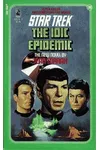
Beyond books, Sturgeon left a mark on television. He penned Star Trek episodes like “Shore Leave” and “Amok Time,” introducing the Vulcan salute and the phrase “Live long and prosper.” His scripts infused the show with the same warmth and humanity that defined his fiction.
Why Theodore Sturgeon Matters
Theodore Sturgeon’s influence ripples through sci-fi and beyond. His focus on human connection inspired writers like Ray Bradbury and Kurt Vonnegut, while his Star Trek contributions shaped pop culture. Sturgeon’s ability to blend speculative ideas with emotional truth made his work timeless, resonating with readers who crave stories that challenge and comfort. His advocacy for empathy in storytelling remains a guiding light for creators today.
Sturgeon’s legacy endures through reprints, anthologies, and the Theodore Sturgeon Memorial Award, which honors exceptional short fiction. His belief that love is central to human experience continues to inspire, proving that even in the vastness of space, the heart matters most.
- Born: February 26, 1918, Staten Island, New York
- Key Works: More Than Human, The Dreaming Jewels, “Baby Is Three”
- Awards: International Fantasy Award, Hugo Award, Nebula Award
- Notable Contribution: Coined “Live long and prosper” for Star Trek
Snag a copy of More Than Human or a Sturgeon short story collection and dive into his soulful sci-fi world. You won’t be disappointed!