

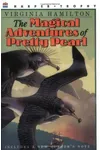
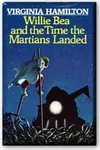
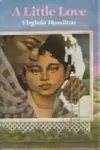
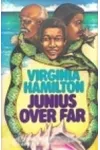
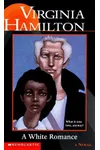
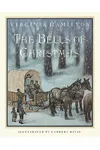
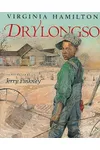
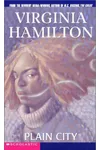
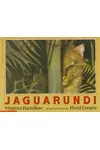
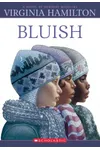
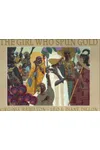
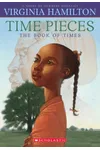

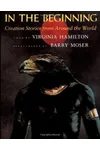
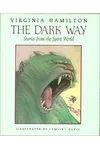
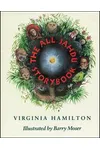
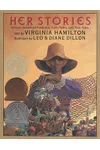
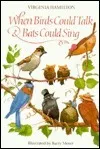
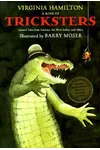

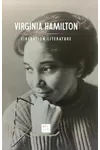

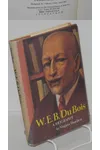
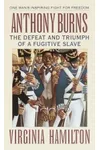
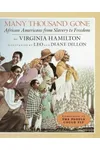
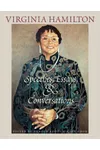












Picture a storyteller who spun tales of Black American heritage with heart and magic—meet Virginia Hamilton! Born in 1936 in Yellow Springs, Ohio, Hamilton became a trailblazer in children’s and young adult literature, crafting over 40 books that celebrated African American culture and pushed genre boundaries. Her 'Liberation Literature' captivated readers, earning her accolades like the MacArthur Fellowship and a legacy that still shines.
With a knack for weaving memory, tradition, and imagination, Hamilton’s stories weren’t just for kids—they were for anyone who craved a deeper understanding of history and identity. Let’s dive into her extraordinary life and the worlds she created!
The Making of Virginia Hamilton
Virginia Esther Hamilton grew up on a small farm in Yellow Springs, surrounded by a big, storytelling family. Her grandfather, Levi Perry, escaped slavery via the Underground Railroad, and those gripping family tales fueled her imagination. A star student, she earned a full scholarship to Antioch College before transferring to Ohio State University to study literature and creative writing. In 1958, she moved to New York City, juggling jobs as a museum receptionist and nightclub singer while chasing her dream of becoming a published author. There, she met poet Arnold Adoff, whom she married in 1960, setting the stage for a life of literary brilliance.
Virginia Hamilton’s Unforgettable Stories
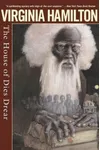
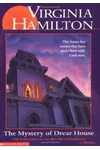
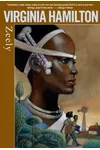
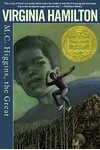
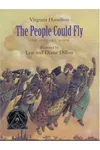
Hamilton’s debut, Zeely (1967), introduced her signature blend of realism and myth, following a girl’s fascination with a mysterious woman. M. C. Higgins, the Great (1974), a masterpiece of magical realism, won the Newbery Medal and National Book Award, making Hamilton the first Black author to claim the Newbery. It tells the story of a boy navigating family and change in the Ohio hills. The People Could Fly (1985), a collection of Black folktales, soared with its lyrical retelling of stories about freedom and resilience. The House of Dies Drear (1968), a gripping mystery, explored the Underground Railroad’s legacy through a young boy’s adventure.
Her style was bold and unflinching, never shying away from the complexities of African American life. Hamilton wove history, folklore, and contemporary struggles into narratives that respected young readers’ intelligence. From science fiction to biographies like Paul Robeson: The Life and Times of a Free Black Man (1974), her versatility kept readers hooked across genres.
Why Virginia Hamilton Matters
Hamilton’s work reshaped children’s literature by centering Black voices and experiences at a time when they were rarely seen. Her 'Liberation Literature' opened doors for multicultural storytelling, inspiring authors and readers to embrace diverse narratives. Awards poured in, including the Hans Christian Andersen Award (1992) and the Laura Ingalls Wilder Award (1995). The Virginia Hamilton Conference on Multicultural Literature, established in 1984 at Kent State University, continues to honor her advocacy for inclusivity. Her stories remain timeless, inviting new generations to explore heritage and hope.
- Born: March 12, 1936, Yellow Springs, Ohio
- Key Works: M. C. Higgins, the Great, The People Could Fly, The House of Dies Drear
- Awards: Newbery Medal, National Book Award, MacArthur Fellowship
- Died: February 19, 2002
Snag The People Could Fly and dive into Virginia Hamilton’s vibrant world of folklore and freedom!