
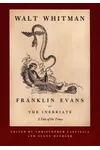
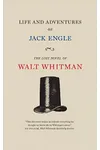
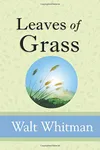
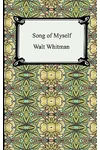


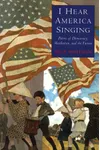


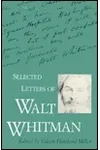
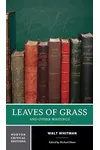
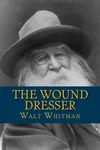


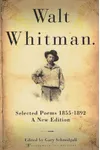
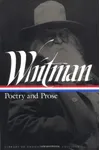
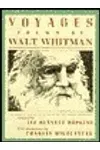

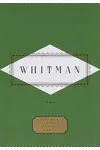
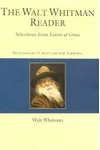
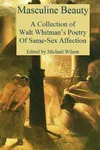

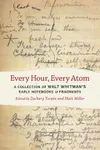
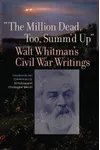
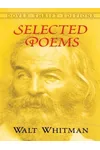



Picture a bearded bard strolling through 19th-century America, weaving poems that pulse with the heartbeat of a nation—meet Walt Whitman! Known as the father of free verse, Whitman’s groundbreaking work, Leaves of Grass, celebrated the raw beauty of humanity, nature, and democracy. His words, bold and unfiltered, shook up the literary world and still resonate today.
Born in 1819 on Long Island, Whitman’s life was a tapestry of poetry, journalism, and compassion. His revolutionary style broke from rigid rhymes, embracing a free-flowing voice that mirrored the sprawling American spirit. Ready to dive into the world of a poet who dared to sing the song of everyone?
The Making of Walt Whitman
Walt Whitman grew up in a bustling family of nine in West Hills, New York. His early years were shaped by modest means and a love for reading—think Shakespeare, the Bible, and Homer. By age 12, he was setting type in Brooklyn print shops, sparking a lifelong affair with words. As a young man, Whitman juggled teaching, journalism, and editing newspapers, honing a voice that championed the common person. His encounters with New York’s vibrant streets and diverse faces fueled his democratic ideals, setting the stage for his poetic revolution.
Walt Whitman’s Unforgettable Works
Whitman’s masterpiece, Leaves of Grass (first published in 1855), is a sprawling collection of poems that evolved over his lifetime. Its free verse celebrated the individual and the collective, from laborers to landscapes, with lines like “I am large, I contain multitudes.” The work shocked readers with its sensuality and bold themes, challenging Victorian norms. Another gem, Song of Myself, weaves a spiritual journey through vivid imagery, inviting readers to embrace their own divinity.
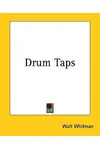
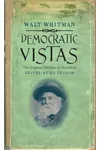
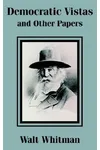
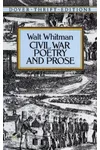
During the Civil War, Whitman’s Drum-Taps (1865) captured the anguish and heroism of soldiers, reflecting his time as a volunteer nurse in Washington, D.C. Later, Democratic Vistas (1871) offered prose meditations on America’s potential, blending optimism with critique. His style—unrhymed, rhythmic, and inclusive—pioneered a new poetic form, inspiring generations to break free from convention.
Whitman’s poetry is a love letter to life’s messiness. His long, flowing lines mirror the ebb and flow of rivers and crowds, while his themes of equality and connection feel timeless. Whether celebrating the body or mourning loss, his work invites readers to see the sacred in the everyday.
Why Walt Whitman Matters
Walt Whitman’s legacy is as vast as the America he sang of. His free verse opened doors for modern poetry, influencing poets like Allen Ginsberg and Langston Hughes. By embracing all people—regardless of class, race, or gender—he embodied a radical inclusivity that still inspires. His volunteer work during the Civil War showed a heart as big as his vision, comforting wounded soldiers with empathy and care. Today, Whitman’s words remain a beacon for those seeking connection in a divided world.
His influence extends beyond literature, touching music, film, and even political discourse. Schools and bridges bear his name, a testament to his enduring mark. Whitman’s belief in democracy’s potential continues to challenge us to live up to our highest ideals.
- About Walt Whitman
- Born: May 31, 1819, West Hills, New York
- Key Works: Leaves of Grass, Drum-Taps, Democratic Vistas
- Notable Role: Volunteer nurse during the Civil War
- Died: March 26, 1892, Camden, New Jersey
Ready to feel the pulse of America? Grab Leaves of Grass and let Whitman’s free-spirited poetry sweep you away!