

















Picture an American storyteller who spun tales so vivid they still haunt our imaginations—meet Washington Irving! Born in 1783, this literary pioneer crafted iconic stories like 'The Legend of Sleepy Hollow' and 'Rip Van Winkle,' blending humor, folklore, and a distinctly American spirit. His work didn’t just entertain; it helped define a young nation’s voice in global literature.
Irving’s knack for storytelling wasn’t just a gift—it was a revolution. With his atmospheric prose and unforgettable characters, he elevated the short story to an art form, earning him the title 'Father of American Literature.' Let’s dive into his life, works, and why his stories still captivate readers today.
The Making of Washington Irving
Washington Irving was born on April 3, 1783, in New York City, the youngest of eleven children in a merchant family. Named after George Washington, he grew up in a bustling post-Revolutionary America, soaking in the energy of a new nation. Young Irving was more drawn to books and adventure than business, often sneaking off to explore Manhattan’s streets or devour novels. His early writings, published under pseudonyms like Jonathan Oldstyle, were witty essays poking fun at New York society, hinting at the playful style that would define his career.
After a brief stint studying law, Irving traveled to Europe in 1804, where he was enchanted by the continent’s history and folklore. These experiences shaped his storytelling, infusing his work with a romantic, almost magical lens. By 1809, he published his first major success, 'A History of New York,' a satirical take on Dutch settlers, proving he could blend humor with sharp cultural commentary.
Washington Irving’s Unforgettable Stories
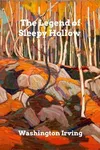
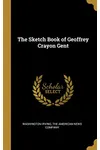
Irving’s masterpiece, 'The Sketch Book of Geoffrey Crayon, Gent.' (1819–1820), cemented his fame. This collection featured his two most famous tales: 'Rip Van Winkle,' about a man who sleeps through the American Revolution, and 'The Legend of Sleepy Hollow,' where schoolmaster Ichabod Crane meets the ghostly Headless Horseman. Both stories, rooted in Dutch-American folklore, sparkle with Irving’s rich, descriptive prose and sly humor, capturing the quirks of early American life.
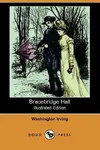
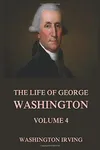
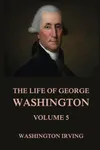
His style was uniquely warm and inviting, blending romanticism with a touch of satire. Irving didn’t just tell stories; he painted vivid scenes, from Sleepy Hollow’s eerie woods to Rip’s quaint village. Later works like 'Bracebridge Hall' (1822) and 'Tales of a Traveller' (1824) continued his love for folklore and character-driven narratives. As a biographer, he wrote acclaimed lives of figures like George Washington, showcasing his versatility.
Irving’s themes often explored identity, change, and the clash between old traditions and new realities—perfect for a nation forging its path. His ability to weave universal emotions into specific settings made his stories timeless, resonating across cultures and eras.
Why Washington Irving Matters
Washington Irving wasn’t just a writer; he was a cultural ambassador who gave America a literary identity when it desperately needed one. His stories introduced the world to American settings and characters, earning praise from European giants like Charles Dickens. By celebrating local folklore, he helped Americans see their own history as worthy of storytelling, paving the way for writers like Hawthorne and Poe.
His diplomatic career, including posts in Spain and England, further spread his influence, while his mentorship of younger writers nurtured America’s literary scene. Today, Irving’s tales remain staples in classrooms and Halloween traditions, proof of his enduring magic.
About Washington Irving
- Born: April 3, 1783, in New York City
- Key Works: 'The Legend of Sleepy Hollow,' 'Rip Van Winkle,' 'A History of New York'
- Notable Role: U.S. Minister to Spain (1842–1846)
- Died: November 28, 1859, in Tarrytown, New York
Ready to get lost in a spooky tale or a cozy village saga? Grab 'The Sketch Book' and dive into Washington Irving’s enchanting world of American folklore!