
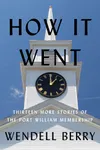

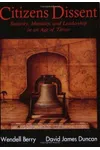

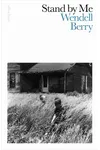

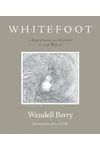
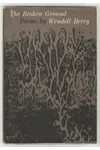







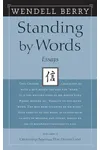

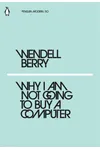

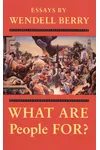
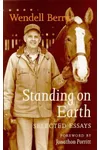
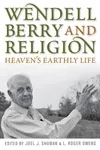
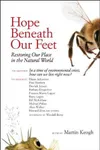
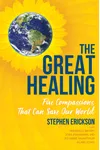
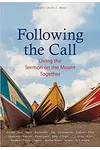
Picture a Kentucky poet weaving tales of soil, soul, and simplicity—meet Wendell Berry! Born in 1934, this novelist, poet, and environmental activist has spent decades crafting stories and essays that celebrate rural life and champion sustainable living. With over forty books, Berry’s words invite us to reconnect with the land and each other in a world that’s often too fast-paced.
The Making of Wendell Berry
Wendell Berry was born in Henry County, Kentucky, where rolling fields and tight-knit communities shaped his worldview. Raised on a family farm, he developed a deep love for the land, which later fueled his writing and activism. After earning degrees from the University of Kentucky, Berry taught creative writing and traveled briefly, but the pull of home was strong. By the 1960s, he returned to farm in Port Royal, Kentucky, embracing a life of manual labor and literary creation.
Wendell Berry’s Unforgettable Works
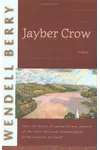
Berry’s writing spans poetry, fiction, and essays, all infused with his passion for nature and community. His novel Jayber Crow (2000) follows a small-town barber whose quiet life reveals profound truths about love and belonging. In The Unsettling of America (1977), Berry’s essays critique industrial agriculture, advocating for sustainable practices that honor the earth. His poetry collection, A Timbered Choir (1998), captures the spiritual beauty of rural life with lyrical grace. Berry’s style is clear yet profound, blending storytelling with a farmer’s practical wisdom and a poet’s sensitivity.
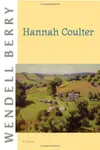
Another gem, Hannah Coulter (2004), traces a woman’s life in the fictional Port William, exploring resilience and the enduring power of place. Berry’s works often return to this imagined community, creating a rich tapestry of interconnected lives. His themes—stewardship, simplicity, and human connection—resonate with readers seeking meaning in a fragmented world.
Why Wendell Berry Matters
Wendell Berry’s influence stretches beyond literature into environmental and cultural thought. His advocacy for local economies and sustainable farming has inspired movements like slow food and agrarianism. Honored with the National Humanities Medal in 2010, Berry remains a voice for those yearning for a deeper connection to the earth. His work challenges us to rethink progress and prioritize the health of our planet and communities.
About Wendell Berry
- Born: August 5, 1934, in Henry County, Kentucky
- Key Works: Jayber Crow, The Unsettling of America, Hannah Coulter
- Awards: National Humanities Medal (2010), Dayton Literary Peace Prize (2013)
- Fun Fact: Berry still writes by hand and farms with horses, shunning modern tech!
Ready to slow down and savor life’s simple joys? Grab Jayber Crow and dive into Wendell Berry’s timeless world of poetry and prose!