
The Recommended Reading Order
For your first journey through the system, the authors (Daniel Abraham and Ty Franck, writing as James S.A. Corey) and the publisher, Orbit Books, strongly recommend reading the series in publication order. This sequence ensures you experience the universe's political shifts, technological developments, and character dynamics exactly as they were revealed to the world. It also completely protects you from major spoilers that chronological read-throughs might expose early on.
Here is the definitive recommended reading order, weaving the main novels together with the novellas and short stories collected in Memory's Legion:
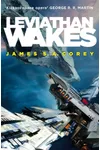
- Leviathan Wakes (Novel 1, 2011)
- The Butcher of Anderson Station (Short Story, 2011)
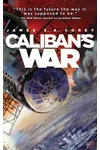
- Caliban's War (Novel 2, 2012)
- Gods of Risk (Novella, 2012)
- Drive (Short Story, 2012)
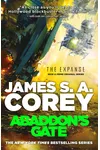
- Abaddon's Gate (Novel 3, 2013)
- The Churn (Novella, 2014)
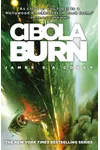
- Cibola Burn (Novel 4, 2014)
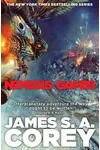
- Nemesis Games (Novel 5, 2015)
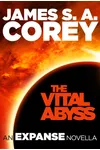
- The Vital Abyss (Novella, 2015)
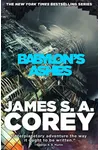
- Babylon's Ashes (Novel 6, 2016)
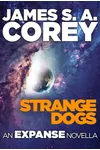
- Strange Dogs (Novella, 2017)
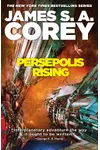
- Persepolis Rising (Novel 7, 2017)
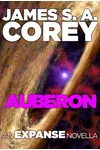
- Auberon (Novella, 2019)
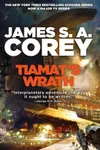
- Tiamat's Wrath (Novel 8, 2019)
- Leviathan Falls (Novel 9, 2021)
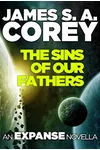
- The Sins of Our Fathers (Novella, 2022)
Chronological Order: The Historical Timeline
If you are planning a re-read or prefer a strictly chronological progression, the timeline of events shifts several prequels and side stories to different spots. Below is how the stories fit together historically within the universe:
- Drive (Short Story) – Set roughly 150 years before the main series, detailing the invention of the Epstein Drive.
- The Churn (Novella) – Amos Burton's gritty origins in Baltimore long before leaving Earth.
- The Butcher of Anderson Station (Short Story) – Detailing the tragic events that shaped Fred Johnson's reputation.
- Leviathan Wakes (Novel 1)
- The Last Flight of the Cassandra (Short Story) – Set concurrently with the early events of Leviathan Wakes.
- Caliban's War (Novel 2)
- Gods of Risk (Novella) – Focuses on Bobbie Draper's nephew on Mars shortly after Caliban's War.
- Abaddon's Gate (Novel 3)
- The Vital Abyss (Novella) – Covers a wide timeline starting around Abaddon's Gate and stretching past Cibola Burn.
- Cibola Burn (Novel 4)
- Nemesis Games (Novel 5)
- Babylon's Ashes (Novel 6)
- Strange Dogs (Novella) – The crucial bridge between the events of Babylon's Ashes and the final trilogy on Laconia.
- Persepolis Rising (Novel 7) – Takes place after a 28-year time jump.
- Auberon (Novella) – Set during the Laconian occupation of the Auberon colony.
- Tiamat's Wrath (Novel 8)
- Leviathan Falls (Novel 9)
- The Sins of Our Fathers (Novella) – A post-script focusing on the aftermath of the series finale.
Chronological Caveats: Why Order Matters
While a chronological reading order seems appealing, starting with prequels like "Drive" or "The Churn" can diminish the narrative impact of the main novels. For instance, "The Churn" reveals the traumatic, dark past of Amos Burton. Reading it before meeting him in Leviathan Wakes changes how you view his character from the start, stripping away the slow, mysterious character development the authors built over several novels. Similarly, "The Vital Abyss" and "Strange Dogs" contain massive reveals about the nature of the protomolecule and alien technology that will completely spoil major plot twists in the earlier novels if read out of order.
The Core Novels: The Rocinante's Journey
The spine of the series is formed by nine novels, tracking the crew of the salvaged Martian gunship, the Rocinante, led by James Holden, Naomi Nagata, Amos Burton, and Alex Kamal. The books are structurally grouped into three distinct duologies and a concluding trilogy:
- The Protomolecule Duology (Leviathan Wakes & Caliban's War): Introduces the alien protomolecule, a noir-detective conspiracy, and the escalation of tensions between Earth, Mars, and the Belters.
- The Ring Gate Duology (Abaddon's Gate & Cibola Burn): Follows the opening of the Ring Gates, exposing humanity to thousands of habitable new worlds and the gold-rush struggles of colonizing them.
- The Free Navy Duology (Nemesis Games & Babylon's Ashes): Shifts focus back to solar-system politics and a devastating terrorist rebellion led by Belter extremists.
- The Laconian Trilogy (Persepolis Rising, Tiamat's Wrath, & Leviathan Falls): Begins after a 28-year time jump, pitting the combined forces of humanity against a technologically superior, authoritarian Laconian Empire and the cosmic forces that destroyed the protomolecule's creators.
The Novellas: Essential Context or Optional Extras?
Almost all of the short stories and novellas are collected in the final volume, Memory's Legion (2022). While you can read the nine main novels on their own, some novellas are highly recommended to understand the broader story:
- The Churn: Essential for Amos Burton fans; it provides the psychological background for why he behaves the way he does.
- Strange Dogs: Practically mandatory before starting the final trilogy (starting with Persepolis Rising), as it explains the strange resurrection technology and setup on the planet Laconia.
- The Vital Abyss: Excellent for understanding the scientific cult around the protomolecule and the background of the antagonist Paolo Cortazar.
- Auberon: Offers great world-building on how Laconian fascism clashes with local planetary corruption, featuring characters from previous books.
- The Last Flight of the Cassandra: This short story was written exclusively for the tabletop RPG ruleset published by Green Ronin. It is a standalone side adventure set during the fall of the Canterbury and is not included in Memory's Legion. It is generally treated as non-canon and is not required reading for the main storyline.
What to Know Before You Start
The Expanse is co-authored by Daniel Abraham and Ty Franck under the pen name James S.A. Corey. The authors worked closely with the writers of the critically acclaimed TV adaptation, which ran for three seasons on Syfy and three seasons on Amazon Prime. The television show covers the events of the first six novels, meaning the final book trilogy (Books 7 to 9) has not been adapted to screen. If you watched the show and want to know how the story ends, you should start reading from Persepolis Rising, though starting from the first book, Leviathan Wakes, is highly recommended due to differences in character arcs and secondary plotlines.