

Lydmouth Recommended Reading Order
For the best reading experience, it is highly recommended to read Andrew Taylor’s Lydmouth series in its original publication order. Because the narrative timeline moves forward chronologically, reading the books in order allows you to fully appreciate the evolving personal dynamics and slow-burn relationship between London-born journalist Jill Francis and Detective Inspector Richard Thornhill. The main novels in the series are listed below in their recommended reading order:
- An Air That Kills (1994) – Set in 1950. Jill Francis arrives in Lydmouth seeking a fresh start, only to find the town shaken when workmen discover a baby's skeleton hidden in a cottage chimney. This discovery forces Detective Inspector Richard Thornhill into a complex investigation that exposes the dark underbelly of the local community.
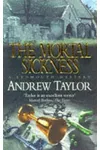
- The Mortal Sickness (1995) – Set shortly after the first novel. The brutal murder of an eccentric spinster in her cottage, combined with the sudden disappearance of a priceless medieval chalice, disrupts the town's peace. Jill Francis becomes deeply entangled in the local parish secrets as Thornhill tries to maintain order.
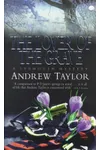
- The Lover of the Grave (1997) – Set in 1951. An elderly man is found dead, hanged from a historic local landmark known as the Hanging Tree. The investigation digs deep into a web of ancient family rivalries, archaeological digs, and lingering post-war animosities.
- The Suffocating Night (1998) – Set in 1953. The death of a retired army officer pulls Jill and Thornhill into a web of Cold War espionage, military secrets, and intense local paranoia that threatens to boil over.
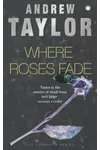
- Where Roses Fade (2000) – Set in 1954. The suspicious death of a young local woman shines a harsh light on post-war commercial development, psychological trauma, and the changing social roles in Lydmouth.
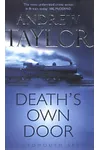
- Death's Own Door (2001) – Set in 1955. A mysterious death occurring inside a historic, reputedly haunted house forces Thornhill to investigate spiritualist circles, local gossip, and long-buried family secrets.
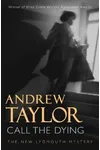
- Call the Dying (2004) – Set in 1956. A local seance goes disastrously wrong, sparking a bitter newspaper war and exposing the hypocrisy and hidden vices of Lydmouth's prominent citizens.
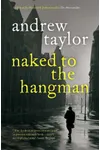
- Naked to the Hangman (2006) – Set in 1958. The final novel in the main series finds Thornhill himself fighting allegations of corruption while an old murder case resurfaces, bringing the character arcs of Jill and Thornhill to a dramatic conclusion.
Chronological Timeline vs. Publication Order
Unlike some crime series that jump around in time, the Lydmouth books feature a timeline where chronological order and publication order are identical. The series begins in 1950 with An Air That Kills and progresses steadily through the decade, concluding in 1958 with Naked to the Hangman. As a result, there is no need to shuffle the books to read them chronologically; sticking to the publication sequence is the natural and intended path.
The Lydmouth Short Stories
In addition to the eight novels, Andrew Taylor has written several short stories set in the Lydmouth universe. These stories provide additional flavor and look at life in the town from different angles. They were published in various anthologies over the years:
- The Woman Who Loved Elizabeth David
- Little Russia
- The False Inspector Lovesey
- The Five-Letter Word
- Wrong Notes – Published in the CWA anthology Music of the Night (edited by Martin Edwards, 2022), this story centers on musical themes and is set in the familiar world of Lydmouth.
What to Know Before You Start
Before diving into the series, it helps to understand its unique atmosphere. Lydmouth is a fictional town located on the Anglo-Welsh border, serving as a microcosm of post-World War II Britain. The series is deeply atmospheric, capturing the lingering drabness of the 1950s, the persistence of wartime rationing, and the friction between conservative traditions and modern progress.
Taylor's writing is often compared to P.D. James for its procedural detail and psychological depth, but it also carries a slightly unsettling, gothic quality reminiscent of small-town secrets. The focus is less on explosive action and more on social observation, class tensions, and the heavy burden of keeping secrets in a small, insular community.
Practical Reader Guidance
Can the Lydmouth books be read as standalones? Yes, the central mystery of each novel is fully resolved by the end of the book, making them accessible to casual readers. However, the overarching emotional narrative—specifically the complicated, tense, and forbidden attraction between Jill Francis and the married DI Thornhill—develops continuously across the eight books. To get the full impact of their story, starting at the beginning is highly recommended.