

How to Read the Post-Human Series
David Simpson’s Post-Human series is a thought-provoking cyberpunk and speculative science fiction saga that explores the boundaries of transhumanism. In this universe, nanobots (referred to as "nans") grant near-immortality and superpowers, but also introduce existential risks from rogue artificial intelligence and alien life. Because the series timeline jumps around, readers often debate the best order to experience the narrative.
The Recommended Chronological Reading Order
For the best narrative cohesion, the author and most fan communities recommend reading the series in chronological order rather than publication order. Reading chronologically introduces you to the origins of the world and characters in a logical sequence, preventing confusion when events from the past are referenced. Here is the recommended path:
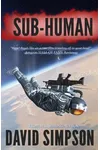
- Sub-Human (2012) - The prequel that kicks off the chronological timeline. Set during World War III, it follows Dr. Craig Emilson as he confronts a rogue artificial intelligence threat.
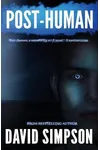
- Post-Human (2009) - The book that launched the series. It leaps forward to a future Earth where nanobots have created a seemingly perfect, immortal society—until dark secrets emerge.
- Trans-Human (2011) - The stakes expand into the cosmos, introducing deep galactic mysteries, alien threats, and complex alliances.
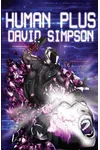
- Human Plus (2013) - Ties together the narrative threads of the previous books, shifting the story in new, unexpected directions.
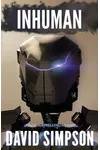
- Inhuman (2014) - Further explores the consequences of transhumanist evolution and the conflict between biological humanity and machine-driven existence.
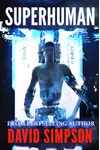
- Superhuman (2020) - An epic conclusion that stands as one of the longest science fiction novels ever written, taking the metaphysical and AI conflicts to their ultimate climax.
Publication Order vs. Chronological Order
If you prefer to experience the series exactly as original readers did, you can follow the publication order. However, be prepared for a major shift in timeline when you reach the third book, which serves as a prequel:
- Post-Human (2009)
- Trans-Human (2011)
- Sub-Human (2012)
- Human Plus (2013)
- Inhuman (2014)
- Superhuman (2020)
Why Chronological Order Wins
Starting with Sub-Human provides crucial context for the geopolitical conflicts and the birth of the superintelligent AI systems that define the later books. Reading Post-Human first is a viable option for those who enjoy being dropped straight into a high-tech utopia and working backward to understand how it was built, but starting with the prequel offers a smoother transition into the core themes.
Detailed Breakdown of the Post-Human Books
Sub-Human (2012)
Set against the backdrop of a global war between superpowers divided over the development of artificial intelligence, this techno-thriller focuses on the race to build or destroy the first sentient machine. Dr. Craig Emilson plays a central role as humanity's defenders clash with a powerful AI threat.
Post-Human (2009)
Earth has become a paradise where nanobots run through everyone's veins, repairing injuries, preventing aging, and even granting the power of flight. However, when a sudden catastrophe threatens to wipe out this post-human society, a small group of survivors must uncover the dark truth behind their digital utopia.
Trans-Human (2011)
Expanding the scope from Earth to deep space, this installment introduces cosmic elements and mysterious alien intelligences. The characters must navigate shifting loyalties and complex physics as they try to secure a future for what remains of the human race.
Human Plus (2013)
This entry serves as a bridge, weaving together the events of the prequel and the sequels. It focuses on the next phase of human evolution, raising the question of what lies beyond near-immortality and how humanity will survive its own creations.
Inhuman (2014)
The series continues to escalate the philosophical debate over transhumanism. As the line between biological consciousness and machine code blurs, characters are forced to decide what parts of their humanity are worth saving and what must be left behind.
Superhuman (2020)
A massive, epic novel that rivals classics like Stephen King’s The Stand in length. Superhuman resolves the overarching conflicts of the series, detailing the ultimate clash between biological survivors, advanced machine intelligences, and cosmic forces across multiple timelines and realities.
Omnibus and Collection Options
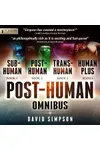
For readers who want to dive in without buying individual volumes, the author released the Post-Human Omnibus in 2014. This collection typically bundles the first four books of the series (Sub-Human, Post-Human, Trans-Human, and Human Plus), making it a cost-effective way to get through the bulk of the saga before picking up the final two volumes, Inhuman and Superhuman.
What to Know Before You Start
David Simpson’s background as a futurist and TEDx speaker heavily influences the series. The books are known for balancing fast-paced, action-movie style sequences with deep philosophical debates on Moore's Law, transhumanism, and AI ethics. If you enjoy hard sci-fi concepts presented in an accessible, blockbuster format, this series is a perfect fit. Keep in mind that the tone shifts from a grounded military thriller in Sub-Human to cosmic, near-metaphysical scales in the later books.