



The Recommended Reading Order for the Post-Human Series
David Simpson's signature work is the Post-Human series, a cinematic sci-fi epic that explores nanotechnology, artificial intelligence, and the future of human evolution. Because the author published a prequel after the first two books, readers have two primary ways to approach the series. We highly recommend the Chronological Order as it builds the universe from the ground up.
Chronological Reading Order (Recommended)
Reading chronologically allows you to watch the technology and the AI threat develop from their very origins during a futuristic World War III before transitioning into the fully realized post-human future.
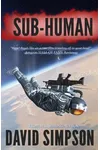
- Sub-Human (2012) – Book 1 (Prequel)
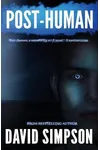
- Post-Human (2009) – Book 2
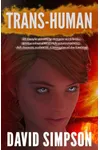
- Trans-Human (2011) – Book 3
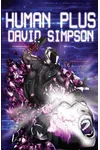
- Human Plus (2013) – Book 4
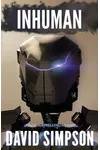
- Inhuman (2014) – Book 5
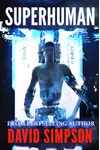
- Superhuman (2020) – Book 6
Publication Reading Order
If you prefer to experience the series exactly as original readers did, starting with the mystery of a highly advanced nanotech world before looking back at how it all began, follow this order:
- Post-Human (2009)
- Trans-Human (2011)
- Sub-Human (2012) – Prequel
- Human Plus (2013)
- Inhuman (2014)
- Superhuman (2020)
Publication Order vs. Chronological Order: Where to Start?
The main point of contention for new readers is whether to start with Sub-Human or Post-Human. Although Post-Human was written and released first in 2009, Sub-Human (released in 2012) was designed by Simpson to function as the official Book 1 of the series.
In Sub-Human, we follow Dr. Craig Emilson as he battles a rogue AI during the outbreak of World War III. This book establishes the rules of artificial intelligence and the initial deployment of nanobots that grant immortality. Starting here provides a solid foundation, making the massive technological jumps in the subsequent books much easier to follow. However, starting with Post-Human remains a viable path if you prefer to be dropped directly into the action with less initial exposition, treating Sub-Human as a flashback resource later.
Understanding the Post-Human Universe
Before diving into the saga, it is helpful to understand the core concepts David Simpson plays with throughout these six books:
- Nanobots: Microscopic machines that can manipulate biology, heal wounds instantly, and effectively eliminate death.
- Artificial Intelligence: The transition from simple automated software to strong, self-aware, and potentially hostile entities.
- Philosophical Singularity: As the series progresses, especially in Human Plus and Inhuman, the narrative shifts toward questioning reality, identity, and what it actually means to remain human when technology allows you to transcend physical limitations.
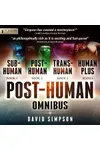
For readers looking to collect the books, the Post-Human Omnibus (released in 2014) compiles the first four books (Sub-Human, Post-Human, Trans-Human, and Human Plus) into a single volume.
The Singularity Saga: Ashes of the Singularity Tie-in
In addition to his main series, David Simpson has written in other sci-fi universes. In 2016, he published Dawn of the Singularity, which serves as the official prequel novel to the real-time strategy PC game Ashes of the Singularity. The book follows Haalee, a newly created artificial intelligence tasked with guiding humanity into its technological transition, and makes a great standalone read for fans of AI-driven sci-fi.
David Simpson's Standalone Novels
Before achieving bestseller status with his science fiction, Simpson wrote in diverse genres including relationship dramas and existential horror. If you want to explore his other works, they can be read in any order:
- The Bitch Left (2004) – Simpson's debut novel, exploring life, recovery, and perspective after a marriage or relationship ends.
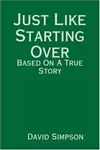
- Just Like Starting Over (2008) – A follow-up contemporary narrative subtitled "Based on a true story."
- Argufun (2008) – Subtitled "The Bitch is Back!", continuing his early relationship-focused writing.
- The God Killers (2011) – A paranormal horror-thriller. The plot follows a group of people who survive near-death experiences and discover that the "white light" at the end of life is a trap set by a parasitic entity posing as God. To save human souls, they must find a way to kill it.
Practical Reader Guidance
If you are planning to read David Simpson's books, keep these tips in mind:
- No Standalone Value in the Saga: The Post-Human books are highly serialized. You cannot read Trans-Human or Human Plus as standalones; the plot builds directly from one book to the next.
- Audiobook Quality: The audiobooks are highly praised. In fact, the audiobook version of Human Plus won a Voice Arts Award for its narration.
- Tone Shift: Be prepared for a shift in scale. The series starts as a relatively grounded military thriller involving AI in Sub-Human, but quickly scales up to cosmic, mind-bending proportions by the time you reach Superhuman.