
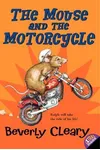
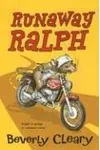
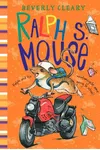
The Recommended Reading Order for Ralph S. Mouse
For the best experience, readers should follow the series in its original publication order. Because the trilogy follows Ralph's growth, his changing environments, and his evolving relationships with different human friends, reading the books in sequence allows young readers to appreciate his character development and maturity over time.
Here is the recommended reading path:
- The Mouse and the Motorcycle (1965)
- Runaway Ralph (1970)
- Ralph S. Mouse (1982)
The Complete Ralph S. Mouse Trilogy in Detail
1. The Mouse and the Motorcycle (1965)
In this beloved series starter, we are introduced to Ralph, a small mouse who lives under the floorboards of the rundown Mountain View Inn in the Sierra Nevada mountains. Ralph is tired of a life spent scavenging for crumbs and dodging vacuum cleaners. His life changes forever when a boy named Keith Gridley checks into the hotel with a shiny, red toy motorcycle. Instantly obsessed, Ralph attempts to ride it, only to tumble into a wastepaper basket when the telephone rings. After Keith rescues him, he teaches Ralph how to ride the motorcycle: by making a engine-like noise ("pb-pb-b-b-g-g"). What follows is a series of thrilling midnight rides, a narrow escape from a vacuum cleaner, and a heroic quest where Ralph must brave the hotel hallways to find an aspirin for a feverish Keith. This story establishes the core themes of the series: the value of mutual trust and the joy of imaginative adventure.
2. Runaway Ralph (1970)
Tired of his nagging mother, his rowdy younger siblings, and the constant demands to share his beloved motorcycle, Ralph decides it is time to seek his independence. He runs away from the Mountain View Inn, aiming to live a life of freedom at the nearby Happy Acres Camp. However, Ralph quickly realizes that the outside world is far more dangerous than he anticipated. He narrowly avoids a predatory cat only to be captured by a young, lonely camper named Garf. Imprisoned in a cage with a grumpy hamster named Chum, Ralph must navigate the politics of the camp and find a way to escape. Along the way, he helps Garf clear his name of a false theft accusation and learns that true independence comes with responsibility and a deeper appreciation for the home and family he left behind.
3. Ralph S. Mouse (1982)
In the final installment, Ralph's home at the Mountain View Inn is overrun by his destructive cousins, who end up breaking his prized motorcycle. Seeking a sanctuary, Ralph convinces the hotel manager's son, Ryan Bramble, to take him to school in his pocket. At school, Ralph becomes the star attraction of the classroom, where the students construct a complex cardboard maze to test his intelligence. However, things spin out of control when a local newspaper reporter writes an article about the "smart mouse," causing a media frenzy. As tensions rise between Ryan and a classmate named Brad, Ralph's safety is put at risk. The book resolves with Ralph proving his wit, helping the boys reconcile, and receiving a sleek new toy sports car to replace his broken motorcycle. This concluding chapter focuses on themes of growth, community, and the bittersweet transition of growing up.
Chronological vs. Publication Order
For the Ralph S. Mouse series, the publication order and the chronological order are identical. Beverly Cleary wrote these stories sequentially, and they follow a logical progression in Ralph's life. He begins as an adventurous but somewhat reckless youth at his home hotel, ventures out on his own to a summer camp as a runaway, and finally experiences the social dynamics of a human school classroom. Because the narrative timeline matches the order in which the books were released, there is no need to rearrange the books. Readers should simply follow the order of their release dates.
Practical Reading Guidance
Best Starting Point: You should always start with The Mouse and the Motorcycle. It establishes Ralph’s character, his unique ability to talk to children who share his passion, and how he acquired his iconic red motorcycle. Starting with the second or third book would lessen the emotional impact of Ralph's journey and leave readers confused about how a mouse obtained a functional toy vehicle.
Standalone Appeal: While the books are best enjoyed in order, each story is self-contained. Beverly Cleary provides enough backstory in Runaway Ralph and Ralph S. Mouse to ensure that a child picking up any book in the middle of the series can easily follow the plot. Each book features a distinct setting (the inn, the camp, and the school) and a new set of primary human characters, making them highly accessible as individual reads.
Reading Level and Target Audience: The series is perfect for readers aged 8 to 12 (typically 3rd to 5th grade). With a Lexile measure around 860L, the books strike an ideal balance for young readers transition from early chapter books to middle-grade fiction. The prose is clean, dialogue-driven, and filled with gentle humor that also makes it a favorite for parents reading aloud to younger children.
What to Know Before You Start
Real-Life Inspiration: Beverly Cleary was inspired to write the series by her son, who was playing with toy cars while stuck in bed with a high fever. Around the same time, a neighbor told Cleary a story about a small mouse that had climbed into a bucket and couldn't get out. These two events sparked the idea of a adventurous talking mouse who could ride toy vehicles.
The ABC Weekend Special Adaptations: In the late 1980s and early 1991, the trilogy was adapted into three separate television specials for the ABC Weekend Special series. These adaptations are famous for their charming combination of live-action human actors and stop-motion puppet animation for Ralph and the other mice. They remain highly faithful to Cleary's original stories and are a wonderful companion watch for children after finishing the books.