







Where to Start with Beverly Cleary
For more than half a century, Beverly Cleary captured the magic, humor, and occasional heartaches of everyday childhood. While she wrote across several genres—including animal fantasy, young adult romance, and autobiographies—her literary heart resides on Klickitat Street in Portland, Oregon. This neighborhood is home to her two most famous creations: Henry Huggins and Ramona Quimby.
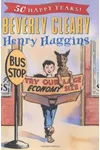
For the absolute best reading experience, we recommend starting with the Klickitat Street Chronological Flow. Because the characters grow up, go to school, and change grades across books, reading them in publication order allows you to watch their world evolve naturally. Start with the book that launched Cleary's career, Henry Huggins (1950), and follow Henry's neighborhood adventures. This introduces you to the setting and the supporting characters—including the younger Quimby sisters, Beezus and Ramona—long before Ramona gets her own dedicated series.
The Core Klickitat Street Universe
Cleary's primary universe is divided into two main series, bridged by a transition novel that shifts focus from Henry to the Quimby household.
1. The Henry Huggins Series
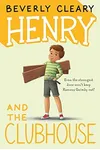
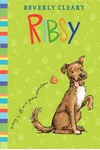
This series centers on Henry, his dog Ribsy, and their neighborhood friends. Although these books can easily be read as standalones, they show a clear progression of Henry's maturity and responsibilities, such as getting a paper route or building a clubhouse.
- Henry Huggins (1950)
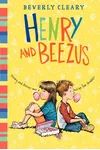
- Henry and Beezus (1952)
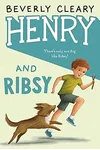
- Henry and Ribsy (1953)
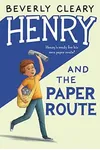
- Henry and the Paper Route (1957)
- Henry and the Clubhouse (1962)
- Ribsy (1964)
2. The Bridge Novel
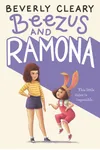
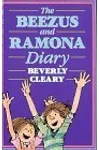
Before launching a dedicated Ramona series, Cleary wrote a transition book. Written from the perspective of Ramona's older sister, Beezus, this book shifts the neighborhood spotlight away from Henry and onto the Quimby family dynamics.
- Beezus and Ramona (1955)
3. The Ramona Quimby Series
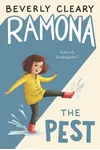
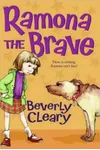
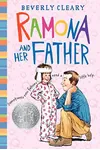
Following her introduction as a pesky four-year-old in the Henry Huggins books, Ramona Quimby became a literary icon. This sequence follows Ramona as she grows from a mischievous kindergartener to an independent fourth-grader.
- Ramona the Pest (1968)
- Ramona the Brave (1975)
- Ramona and Her Father (1977)
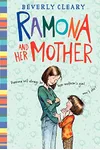
- Ramona and Her Mother (1979)
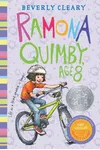
- Ramona Quimby, Age 8 (1981)
- Ramona Forever (1984)
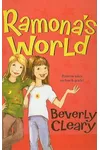
- Ramona's World (1999)
The Portland Neighborhood Companions
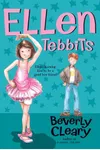
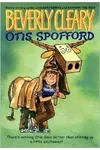
Though not directly part of the Klickitat Street series, Cleary wrote a companion duology set in the same Portland school district. Ellen Tebbits (1951) and Otis Spofford (1953) focus on classmates Ellen and Otis. They share the same lighthearted, realistic tone as the Henry Huggins books, and the characters exist in the same neighborhood ecosystem, occasionally crossing paths with the main cast.
- Ellen Tebbits (1951)
- Otis Spofford (1953)
The Ralph S. Mouse Trilogy
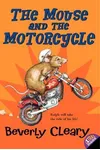
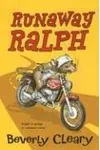
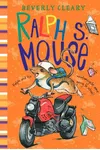
For readers who want a touch of fantasy, Cleary's Ralph S. Mouse trilogy is a wonderful detour. These books follow a adventurous mouse named Ralph who lives at the Mountain View Inn and discovers he can ride a toy motorcycle by making motor noises. These stories are independent of the Klickitat Street universe and can be read at any time, though they are best enjoyed in order.
- The Mouse and the Motorcycle (1965)
- Runaway Ralph (1970)
- Ralph S. Mouse (1982)
The Leigh Botts Duology
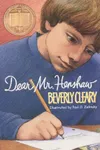
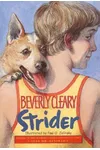
Written for slightly older middle-grade readers, this duology deals with more serious themes like parental divorce, loneliness, and growing up. The first book, written in an epistolary format as letters to an author, won Cleary the prestigious Newbery Medal in 1984.
- Dear Mr. Henshaw (1983)
- Strider (1991)
Teen Romance: The First Love Books
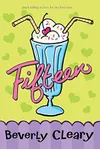
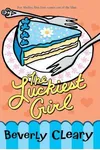
Long before Young Adult (YA) literature became a distinct publishing phenomenon, Cleary wrote four realistic novels focusing on the lives, families, and first loves of teenage girls. Although often grouped together as the "First Love" or "Young Love" series, these are entirely unconnected standalone stories set in different towns with different characters.
- Fifteen (1956)
- The Luckiest Girl (1958)
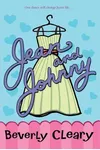
- Jean and Johnny (1959)
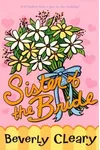
- Sister of the Bride (1963)
Standalones and TV Tie-Ins
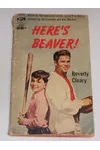
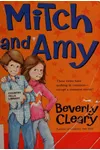
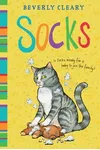
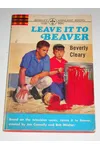
Cleary was a prolific writer who also penned several successful standalone novels. Highlights include Socks (1973), which humorously depicts family life from the perspective of a tabby cat, and Mitch and Amy (1967), inspired by Cleary's own twins. Notably, in the early 1960s, she wrote three novelizations based on the popular television sitcom Leave It to Beaver, adapting specific episodes into print form.
- Leave It to Beaver (1960)
- Here's Beaver! (1961)
- Beaver and Wally (1961)
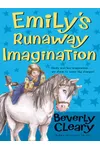
- Emily's Runaway Imagination (1961)
- Mitch and Amy (1967)
- Socks (1973)
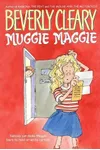
- Muggie Maggie (1990)
A Note on "Avon Camelot Books"
Readers researching Beverly Cleary online may encounter a massive list of titles under the banner "Avon Camelot Books." It is important to clarify that Avon Camelot was a prominent children's paperback imprint of Avon Books, which published many of Cleary's paperbacks. However, the vast majority of books listed under this label in database catalogs (such as Something Upstairs, The Trouble with Tuck, Behind the Attic Wall, and Harry the Poisonous Centipede) were written by other authors, not Beverly Cleary.
Beverly Cleary’s Memoirs
For readers who want to know the real-life inspiration behind Klickitat Street, Cleary wrote two warm and detailed autobiographies. They are best read in chronological order.
- A Girl from Yamhill (1988) – Covers her childhood in Yamhill and Portland, Oregon, during the Great Depression.
- My Own Two Feet (1995) – Follows her college years, her training as a librarian, her marriage, and the publication of her first book.