




The Recommended Reading Path
For the best experience, readers should follow the series in its original publication order. Because the books follow a continuous timeline that traces the personal and professional partnership of Sir Charles Sheridan and Kate Ardleigh, starting from the beginning is highly recommended. The narrative moves chronologically from the late Victorian era (1890s) into the dawn of the Edwardian age, concluding around the 1902-1903 coronation era. Reading the books in order allows you to appreciate the couples' evolving romance, their social transitions, and the recurring cast of characters.
Sir Charles Sheridan Books in Chronological and Publication Order
The publication sequence matches the chronological timeline perfectly. Here is the complete twelve-novel series detail, highlighting the settings and the famous real-life personalities who join the investigations:
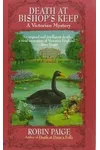
- Death at Bishop's Keep (1994): Set in Essex, this debut introduces Irish-American writer Kate Ardleigh and scientific minded peer Sir Charles Sheridan. Real-world figures Arthur Conan Doyle, Oscar Wilde, and W.B. Yeats appear, linked to the mysterious Hermetic Order of the Golden Dawn.
- Death at Gallows Green (1995): The duo investigates a local constable's death and a child's disappearance in the village of Gallows Green. They are joined by a young Beatrix Potter.
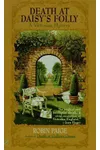
- Death at Daisy's Folly (1997): Set during a weekend party at Easton Lodge, the country house of the Countess of Warwick. Real-world appearances include Daisy, Countess of Warwick, and the Prince of Wales (the future King Edward VII).
- Death at Devil's Bridge (1998): Features early automobile technology and the pioneering enthusiast Charles Rolls (co-founder of Rolls-Royce).
- Death at Rottingdean (1999): Set on the Sussex coast, where Charles and Kate investigate a suspicious death involving smuggling and wireless telegraphy, assisted by resident author Rudyard Kipling.
- Death at Whitechapel (2000): Investigating a blackmail plot, the sleuths are called upon by Jennie Jerome Churchill (the mother of Winston Churchill).
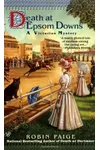
- Death at Epsom Downs (2001): Exploring the high-stakes world of horse racing, the story weaves in the Prince of Wales's social circle and his mistress, the famous actress and socialite Lillie Langtry.
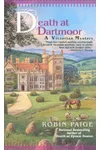
- Death at Dartmoor (2002): Set near the infamous prison, where Arthur Conan Doyle returns to the series while researching The Hound of the Baskervilles, helping the couple solve a complex murder.
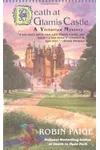
- Death at Glamis Castle (2003): The newly crowned King Edward VII sends the Sheridans to Scotland on a highly sensitive mission involving conspiracies surrounding the late Prince Eddy (Prince Albert Victor).
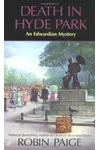
- Death in Hyde Park (2004): Set against the backdrop of the 1902 coronation of King Edward VII and Queen Alexandra, featuring an anarchist plot and guest investigator Jack London.
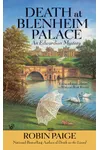
- Death at Blenheim Palace (2005): The Sheridans visit the grand palace and cross paths with the Duchess of Marlborough (Consuelo Vanderbilt), her mistress-rival Gladys Deacon, a visiting Winston Churchill, and a young T.E. Lawrence.
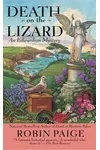
- Death on the Lizard (2006): The final adventure finds the couple on Cornwall's rugged Lizard Peninsula investigating sabotage and murder at the experimental wireless station of inventor Guglielmo Marconi.
What to Know Before You Start
The series was co-authored by the husband-and-wife writing team of Bill and Susan Wittig Albert under the joint pen name Robin Paige. Known for blending cozy mystery aesthetics with meticulous historical accuracy, the books offer a detailed look at the shift from late Victorian tradition to Edwardian modernity. Sir Charles Sheridan represents the emergence of modern forensic science, utilizing early forensic photography, fingerprinting, and toxicology to crack cases. In contrast, Kate Ardleigh brings the perspective of an independent, self-made woman who funds her life by writing sensational 'penny dreadful' thrillers under the pseudonym Beryl Bardwell.
While each book presents a self-contained murder mystery that is resolved by the final pages, the overarching story of Charles and Kate—their transition from reluctant partners to lovers, spouses, and parents—serves as the emotional glue of the series. Therefore, skipping around is possible, but you will miss the rich, slow-burn character development that makes the series so beloved by cozy historical mystery enthusiasts.