




Where to Start with Sir Henry Merrivale
Unlike many modern series that rely on tight continuity or overarching plotlines, the Sir Henry Merrivale (affectionately known as "H.M." or "the Old Man") novels are largely standalone mysteries. You do not need to read them in strict chronological order to enjoy the puzzles. However, choosing the right entry point makes all the difference in appreciating the unique humor and mechanics of John Dickson Carr's plotting.
Depending on what you are looking for, we recommend starting in one of two ways:
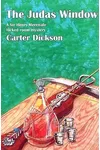
- The Best Representative Masterpiece: The Judas Window (1938). If you want to see Sir Henry Merrivale at the absolute peak of his deductive powers in a classic courtroom setting, this is the book to pick up. H.M. serves as the defense barrister for a man found locked in a room with a murder victim and a crossbow, with no way for anyone else to have entered. It is widely regarded as one of the top five locked-room mysteries of all time.
- The Chronological Introduction: The Plague Court Murders (1934). If you prefer to watch the characters and Carr's writing style evolve naturally, start here. This debut novel introduces Sir Henry as a gruff, Churchillian baronet and former military intelligence director. It has a dark, gothic, and highly atmospheric tone that contrasts with the lighter comedy of the later novels.
The Complete Sir Henry Merrivale Publication Order
To experience the evolution of Sir Henry from a relatively serious intelligence veteran into a blustering, slapstick-loving detective who frequently gets into public altercations, reading by publication date is highly recommended. John Dickson Carr published all the novels under the pseudonym Carter Dickson to distinguish them from his Dr. Gideon Fell series published under his real name.
- The Plague Court Murders (1934)
- The White Priory Murders (1934)
- The Red Widow Murders (1935)
- The Unicorn Murders (1935)
- The Punch and Judy Murders / The Magic Lantern Murders (1936)
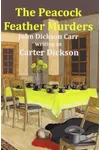
- The Peacock Feather Murders / The Ten Teacups (1937)
- The Judas Window / The Crossbow Murder (1938)
- Death in Five Boxes (1938)
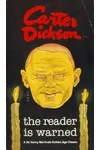
- The Reader Is Warned (1939)
- And So to Murder (1940)
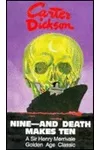
- Nine and Death Makes Ten / Murder in the Submarine Zone (1940)
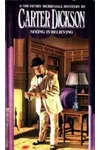
- Seeing Is Believing / Cross of Murder (1941)
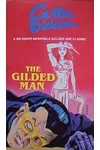
- The Gilded Man / Death and the Gilded Man (1942)
- She Died a Lady (1943)
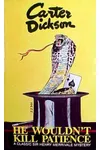
- He Wouldn't Kill Patience (1944)
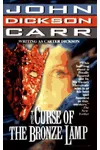
- The Curse of the Bronze Lamp / Lord of the Sorcerers (1945)
- My Late Wives (1946)
- The Skeleton in the Clock (1948)
- A Graveyard to Let (1949)
- Night at the Mocking Widow (1950)
- Behind the Crimson Blind (1952)
- The Cavalier's Cup (1953)
The Short Stories and Collections
While the 22 novels form the core of the series, Sir Henry Merrivale also appears in two short works that are essential reading for completions:
- "The House in Goblin Wood" (1947): A highly celebrated short story that features a terrifyingly brilliant locked-room resolution. It is widely anthologized and considered one of Carr's absolute best shorter works.
- "All in a Maze" (1956): First published as "Ministry of Miracles" (and also known as "The Man Who Explained Miracles"), this novella serves as Sir Henry's final appearance in print.
- Merrivale, March and Murder (1991): Edited by Douglas G. Greene, this posthumous collection compiles rare stories. It is NOT a 23rd novel, but rather a miscellany containing the two short Merrivale stories, along with John Dickson Carr's complete Colonel March stories (originally published under the title The Department of Queer Complaints).
Important Reading Caveats & Alternative Titles
Because the books were published simultaneously in the United States and the United Kingdom, many of the novels carry different titles depending on which edition you find in a library or bookstore. For example, if you are looking for The Peacock Feather Murders, it may be published under the UK title The Ten Teacups. Similarly, Nine—and Death Makes Ten is frequently found in the UK as Murder in the Submarine Zone.
Additionally, pay attention to the shift in tone across the series. The first decade of novels (1934–1943) features a mix of gothic horror, eerie atmospheres, and highly rigorous locked-room solutions. The books starting from the mid-1940s onwards, such as A Graveyard to Let or The Cavalier's Cup, lean heavily into farcical Wodehouse-style humor, physical comedy, and eccentric setups, sometimes at the expense of the puzzle's complexity. If you prefer serious detective fiction, you may want to focus on the pre-1945 books.
What to Know Before You Start
Sir Henry Merrivale is heavily inspired by Winston Churchill, combined with the chaotic energy of P.G. Wodehouse's comedic aristocrats. Expect a detective who grumbles, shouts, calls people names, and complains about his family, yet possesses a razor-sharp mind that sees through complex psychological traps. Unlike Carr's other major series detective, Dr. Gideon Fell (who is a scholarly, quiet gentleman), H.M. is loud, active, and frequently plays the fool to catch his suspects off-guard.