
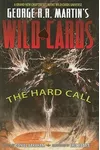
Welcome to the Gritty, Shared World of Wild Cards
Step into the electrifying world of Wild Cards, the sprawling superhero saga edited by George R.R. Martin and Melinda M. Snodgrass. Set in an alternate history post-World War II, the series trades capes for gritty realism and comic-book flair for raw human drama. The premise is simple: in 1946, an alien virus known as Xenovirus Takis-A was unleashed over New York City. The results were devastating: 90% of those infected died (drawing the Black Queen), 9% were hideously mutated into 'Jokers', and a lucky 1% gained extraordinary superpowers, becoming 'Aces'.
Unlike Martin’s epic fantasy series A Song of Ice and Fire, Wild Cards is not a single narrative written by one person. Instead, it is a collaborative "mosaic" universe featuring short stories, novellas, and interconnected chapters penned by a diverse and talented ensemble of sci-fi and fantasy writers (including Roger Zelazny, Walter Jon Williams, Carrie Vaughn, and Daniel Abraham). To help you navigate this massive universe of over 40 books, we’ve put together the ultimate guide to reading Wild Cards.
The Core Reading Paths: Where to Start?
Because Wild Cards is a continuous, chronological alternate history, there are two primary entry points recommended for new readers. Which one you choose depends on your reading style and how much time you want to commit.
Option 1: The Original Starting Point (Recommended)
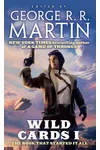
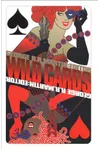
The safest and most satisfying way to experience the universe is to start at the very beginning with Wild Cards (originally published in 1987). Reading in order of publication allows you to watch the alternate history unfold naturally, starting with the post-WWII fallout in the 1940s and moving all the way to the modern era. This path starts with the core original trilogy:
- Wild Cards (1987) – Introduces the virus, the tragedy of Jetboy, and the foundation of Jokertown.
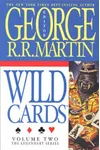
- Aces High (1987) – Follows the characters into the 1980s as they deal with a massive alien threat.
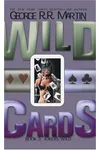
- Jokers Wild (1987) – A fast-paced, single-day mosaic novel taking place entirely in New York's Jokertown.
Option 2: The Modern Entry Point (The Next Generation)
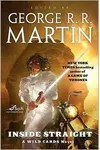
If the sheer size of the series feels intimidating, or if you prefer a more modern style, you can skip ahead to Book 17, Inside Straight (2008). This book was specifically designed by Martin and Snodgrass as a fresh launchpad for a new generation of readers. It fast-forwards to the 21st century, introducing a brand-new cast of young Aces participating in a superhero reality TV show called American Hero, while dealing with contemporary geopolitical issues. Starting here gives you a self-contained story arc, and you can always go back to the classic books later.
Understanding the Wild Cards Structure: Triads and Cycles
Wild Cards is largely organized into self-contained multi-book story arcs, often referred to as "triads" or "quartets." Understanding these cycles makes it easier to set reading milestones. Here is how the main cycles break down:
The Original Bantam Era
- The Original Triad (Books 1–3): Wild Cards, Aces High, and Jokers Wild.
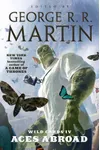
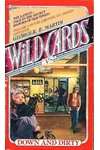
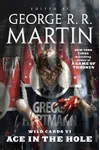
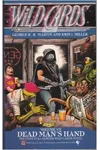
- The Puppetman Quartet (Books 4–7): Aces Abroad, Down and Dirty, Ace in the Hole, and Dead Man’s Hand. This cycle deals with a massive political conspiracy involving the telepathic senator Gregg Hartmann.
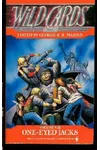
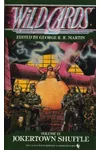
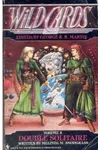
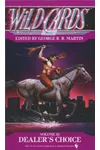
- The Rox Triad (Books 8–11): One-Eyed Jacks, Jokertown Shuffle, Double Solitaire (a solo novel by Melinda Snodgrass), and Dealer's Choice.
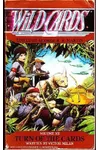
- Bantam Solo Novels: Double Solitaire (1992) and Turn of the Cards (1993) are standalone novels focusing on single characters rather than the mosaic format.
The Card Sharks Triad (Books 13–15)
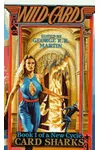
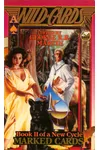
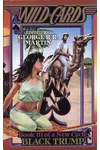
Published by Baen Books, this cycle includes Card Sharks (1993), Marked Cards (1994), and Black Trump (1995). It acts as a soft reboot of the series, introducing a new generation of characters in the mid-1990s.
The Standalone Bridge Era
- Deuces Down (2002) – A collection of stories detailing events that occurred in the gaps between the earlier books.
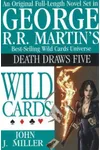
- Death Draws Five (2006) – A solo novel written by John J. Miller, focusing on the character Billy Ray.
The Committee Triad (Books 17–19)
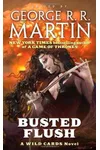
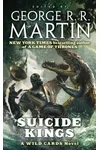
Published by Tor Books, this cycle includes Inside Straight (2008), Busted Flush (2008), and Suicide Kings (2009). This is the "next generation" era that makes for an excellent alternative starting point.
The Mean Streets Triad (Books 21–23)
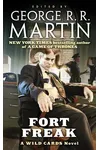
Focusing on the gritty, street-level police officers of Jokertown, this arc consists of Fort Freak (2011), Lowball (2014), and High Stakes (2016).
The USA Triad / American Arc (Books 25–27)
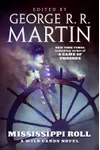
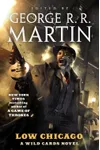
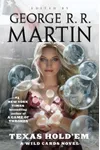
This cycle includes Mississippi Roll (2017), Low Chicago (2018), and Texas Hold'em (2018), taking the series outside of New York City to explore how the Wild Card virus affected other parts of the United States.
The British Arc
Exploring the international impact of the virus, this sequence includes Knaves Over Queens (2018) and Three Kings (2020), which follow the UK's own department of superhero affairs.
The Tor.com Standalone Stories and Anthologies
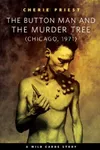
In addition to the physical books, several standalone Wild Cards short stories were published digitally on Tor.com. While they can be read individually online, most of these stories have since been collected into print anthologies such as Full House (2022) and Aces Full (2022). Standalone stories like "The Button Man and the Murder Tree" or "The Elephant in the Room" are fun additions but are not strictly necessary to enjoy the main triads.
What to Know Before You Start
Before jumping in, keep in mind that Wild Cards is not your typical superhero story. It is famous for its dark, gritty, and often graphic tone. The series is heavily character-driven, focusing on marginalized Jokers living in ghettos and the complex morality of Aces who are often corrupted by fame and power. While chronological order generally matches publication order, the mosaic format means you will jump between different character perspectives constantly, creating a rich tapestry rather than a linear hero's journey.