






Where to Start with Inspector DeKok
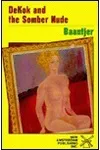
For readers diving into A.C. Baantjer's celebrated detective series, the best starting point is DeKok and the Somber Nude. First published in Dutch in 1967 and translated into English in 1992, it serves as the perfect introduction to the world-weary but deeply compassionate Inspector Jurriaan DeKok and his young, energetic sidekick, Sergeant Dick Vledder. Because the books are highly episodic, focusing on individual murder cases with minimal overarching narrative continuity, you can easily read them as standalones or in any order you find them.
The "De Cock" vs. "DeKok" Name Translation
In the original Dutch novels, the protagonist's name is spelled De Cock. A classic running gag in the Dutch books features the detective explaining his name to suspects and witnesses: "De Cock, with a cee-oo-cee-kaa" (C-O-C-K). When Speck Press began publishing the English translations in the United States, translator H.G. Smittenaar opted to spell the name phonetically as DeKok to avoid juvenile jokes and focus English readers on the procedural mystery itself. While this spelling shift resolved potential misunderstandings, it did mean English audiences missed out on the beloved spelling gag.
English Translation Order vs. Original Dutch Chronology
Albert Cornelis "Appie" Baantjer penned 70 novels featuring the detective before his passing in 2010. However, only about 23 to 30 of these novels have been officially translated into English. Speck Press released the English editions out of chronological order relative to their original Dutch releases. For example, the first Dutch book, De Cock en een strop voor Bobby, was published in 1964, but the first translated novel in the United States was the fourth Dutch book, DeKok and the Somber Nude. For English-language readers, following the publication order of the English translations is the most practical path forward, as it matches book availability in secondary markets.
The Legacy Continues: Peter Römer's Sequels
Following Baantjer's death, the Dutch publisher Uitgeverij De Fontein kept the franchise alive by hiring actor and author Peter Römer to continue the series. Peter Römer has a deep familial connection to the character: his father, Piet Römer, played Inspector De Cock for over a decade in the highly popular Dutch television adaptation Baantjer. Peter Römer's early entries in the continuation series (from book 71 to 75) were direct adaptations of TV screenplays, while subsequent volumes are entirely new, original mysteries. Currently, these continuation novels remain untranslated and are available only in Dutch.
A.C. Baantjer Translated Book List
Below is the recommended reading sequence for the translated English editions, based on their American publication order:
- DeKok and the Somber Nude (1967 / Translated 1992)
- DeKok and the Sorrowing Tomcat (1969 / Translated 1992)
- DeKok and the Mask of Death (1987 / Translated 1992)
- DeKok and Murder on the Menu (1992)
- DeKok and the Corpse on Christmas Eve (1993)
- DeKok and the Disillusioned Corpse (1993)
- DeKok and the Dead Harlequin (1993)
- DeKok and the Romantic Murder (1993)
- DeKok and the Careful Killer (1993)
- DeKok and the Brothers of the Easy Death (1994)
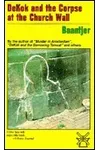
- DeKok and the Corpse at the Church Wall (1994)
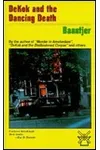
- DeKok and the Dancing Death (1994)
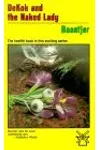
- DeKok and the Naked Lady (1994)
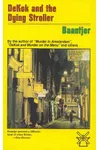
- DeKok and the Dying Stroller (1994)
- DeKok and the Deadly Accord (1997)
- DeKok and Murder in Seance (1997)
- DeKok and Murder in Ecstasy (1998)
- DeKok and the Begging Death (1998)
- DeKok and Murder by Installment (1998)
- DeKok and the Corpse Return (1998)
- DeKok and the Murder in First Class (1998)
- DeKok and the Deadly Warning (2003)
- DeKok and the Geese of Death (2004)
- DeKok and the Murder in Bronze (2004)
- DeKok and Murder on Blood Mountain (2004)
- DeKok and the Death of a Clown (2004)
- DeKok and Murder by Melody (2004)
- DeKok and the Dead Lovers (2004)
- DeKok and the Vendetta (2004)
- DeKok and Variations on Murder (2004)
What to Know Before You Start
A.C. Baantjer spent 38 years as a police officer and detective in Amsterdam, primarily stationed at the Warmoesstraat police station in the heart of the Red Light District. His real-world experience directly informs the setting and characters of the books. Rather than presenting a gritty, graphic noir, Baantjer's novels are celebrated for their cozy procedural style, dry wit, and deep human empathy. DeKok often frequents local cafes, utilizes a network of eccentric street informants, and relies on human psychology rather than high-tech forensics to crack cases, making the series a delight for fans of Georges Simenon's Maigret stories.