


The Recommended Reading Path: Where to Start
For readers new to Alan Furst, the standard recommendation is to dive into his celebrated Night Soldiers series. Since these historical spy novels are largely standalone stories with distinct protagonists, you do not need to read them in a strict chronological sequence. However, starting with the very first book provides the best introduction to the series' unique flavor, style, and recurring secondary characters.
Here is the best way to get started with Alan Furst:
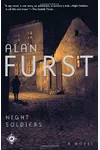
- The Definitive Start: Night Soldiers (1988). This is the book that defined Furst's style and launched the series. It provides the broadest historical canvas, moving across Bulgaria, Spain, Paris, Prague, and Moscow.
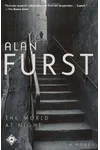
- The French Resistance Start: The World at Night (1996). If you prefer a tighter focus on Paris under Nazi occupation, this novel offers a brilliant entry point. It is also the first half of the only direct two-book sequel arc in the series.
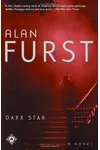
- The Prequel Vibe: Dark Star (1991). Following a foreign correspondent for Pravda in 1937, this book is highly atmospheric and captures the tense pre-war dread of Eastern Europe.
Night Soldiers Series in Publication Order
The Night Soldiers series consists of 15 novels published between 1988 and 2019. Reading them in order of publication is highly recommended because it matches the development of Furst's writing style and allows you to catch subtle character cameos and world-building details as the author conceived them.
- Night Soldiers (1988)
- Dark Star (1991)
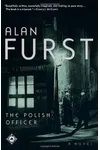
- The Polish Officer (1995)
- The World at Night (1996)
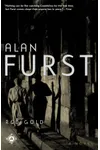
- Red Gold (1999)
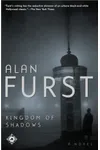
- Kingdom of Shadows (2000)
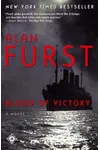
- Blood of Victory (2002)
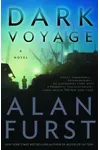
- Dark Voyage (2004)
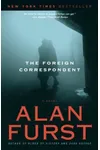
- The Foreign Correspondent (2006)
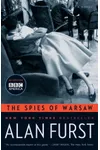
- The Spies of Warsaw (2008)
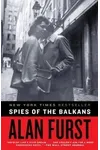
- Spies of the Balkans (2010)
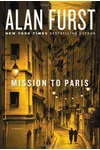
- Mission to Paris (2012)
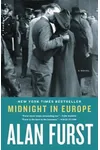
- Midnight in Europe (2014)
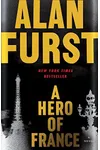
- A Hero of France (2016)
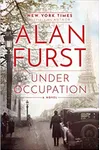
- Under Occupation (2019)
Publication Order vs. Chronological Order
Because the novels are almost entirely standalone, there is no official chronological order that differs dramatically from the publication order. The stories collectively span the years from 1933 to 1945, focusing on different corners of the European theater. While a book published later might take place slightly earlier than another, the timeline overlaps are minor and do not create continuity errors. Attempting to read them chronologically by setting offers no narrative advantage over publication order.
The Casson Duology: A Direct Exception
While almost all Night Soldiers books are self-contained, there is one major exception. The World at Night (1996) and Red Gold (1999) are direct sequels featuring the same protagonist, Jean Casson, a French film producer drawn into the Resistance. You should definitely read The World at Night before reading Red Gold to properly follow his personal evolution and the continuation of his storyline.
Recurring Characters and the Brasserie Heininger
Although the protagonists change, Furst weaves his novels into a single shared universe through recurring background characters. Recognizing these familiar faces is one of the joys of reading the series in publication order:
- Count Janos Polanyi: A cynical Hungarian diplomat and spymaster who appears or is mentioned in seven of the novels, acting as a crucial link across the European intelligence networks.
- S. Kolb: A shadowy intelligence operative who pops up in five different novels, including the first and several later entries like A Hero of France.
- Colonel Vyborg: A military attaché who plays key roles in Dark Star, The Polish Officer, and The Spies of Warsaw.
- The Brasserie Heininger: A fictional, atmospheric Parisian restaurant that serves as a common meeting place for spies, journalists, and diplomats across multiple books. In The Foreign Correspondent, Furst treats long-time readers to a famous crossover scene where several past characters cross paths at the Heininger.
The Early Thrillers: The Roger Levin Series
Before achieving fame as a master of historical espionage, Alan Furst wrote three offbeat, contemporary crime novels in the late 1970s and early 1980s. These books feature Roger Levin, a cynical Pennsylvania marijuana dealer who takes on dangerous side jobs for lawyers and clients. These novels are distinct in tone from the Night Soldiers series, blending a hip, comic-mystery sensibility with classic thriller elements.
- Your Day in the Barrel (1976) — Levin is coerced by the CIA into a murder scheme after his drug-dealing operation is compromised.
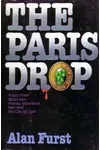
- The Paris Drop (1980) — A suspenseful international delivery job takes Levin to the streets of France.
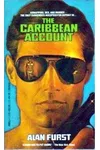
- The Caribbean Account (1981) — Levin is hired to deliver a massive ransom to rescue an heiress from a cult, but the job goes sideways in Miami.
Alan Furst's Writing for Younger Readers
In a surprising departure from his dark, smoky espionage settings, Furst has also written books for children and middle-grade readers:
The T.J. & Blake Series
This adventure series follows two young friends, T.J. and Blake, who start a business called "Treasure Finders."
- The Big Tip (2014) — The duo starts their business and takes on their first client, decoding a mysterious letter from 1951.
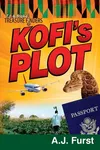
- Kofi's Plot (2019) — The friends head to Ghana on a medical mission and discover a mysterious object that leads to adventure.
Children's Standalone
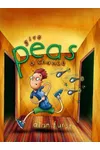
- Give Peas a Chance (2014) — A lighthearted, pun-filled collection of short stories and illustrations designed for young children.
Standalones and Anthologies
Rounding out his bibliography, Furst has written one early standalone novel and edited an anthology of classic espionage writing:
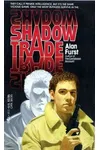
- Shadow Trade (1984) — A standalone thriller focused on the private intelligence industry, serving as a stylistic bridge between his early crime fiction and his later historical works.
- The Book of Spies: An Anthology of Literary Espionage (2003) — A curated anthology compiled by Furst, featuring short stories and excerpts from classic espionage authors like Eric Ambler, Graham Greene, and Rebecca West.
What to Know Before You Start
Furst's novels are celebrated for their rich atmosphere, meticulous historical research, and focus on "night soldiers"—the ordinary citizens, émigrés, and journalists who were reluctantly swept into the struggle against fascism. Unlike modern action-thrillers, there are no high-tech gadgets or invincible superheroes. Instead, you will find stories of moral compromises, quiet heroism, and the heavy human cost of survival. Because of this, the books are best enjoyed slowly, savoring the sights, smells, and quiet tension of a Europe on the brink of destruction.