











Where to Start with Alan Garner
Alan Garner is not a typical fantasy author. His prose is sparse, poetic, and deeply rooted in the history, geography, and dialect of Cheshire. Because his work spans children's high fantasy, historical realism, Welsh myth retellings, and dense psychological novels, the best place to start depends on your reading preferences:
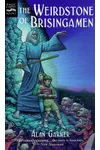
- For Classic Fantasy Fans: Start with The Weirdstone of Brisingamen (1960). It is a fast-paced, traditional adventure featuring sleeping kings, wizards, and dark magic under Alderley Edge.
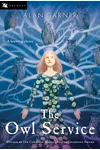
- For Lovers of Psychological Drama and Myth: Start with The Owl Service (1967). This Carnegie Medal-winning masterpiece retells a Welsh legend from the Mabinogion, showing how ancient, tragic cycles repeat through modern teenagers.
- For Readers of Literary Novellas: Start with Treacle Walker (2021). Shortlisted for the Booker Prize, this brief, enigmatic fable is a perfect introduction to Garner's late-career preoccupation with folklore, time, and perception.
The Tales of Alderley (The Weirdstone Trilogy)
Garner's most famous work is the Alderley Edge series. However, readers must prepare themselves for a massive tonal shift when reaching the final volume.
- The Weirdstone of Brisingamen (1960) – A classic children's fantasy following twins Colin and Susan as they escape supernatural creatures and protect a magical gem.
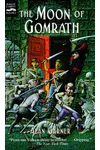
- The Moon of Gomrath (1963) – A darker, more chaotic sequel where Susan is possessed by the forces of the Wild Hunt, deepening the local folklore.
- Boneland (2012) – Published nearly 50 years after the second book, this is an adult psychological novel. It follows an adult, traumatized Colin suffering from amnesia, interweaving his search for his missing sister with a parallel narrative about a Stone Age shaman.
Caveat for Alderley Readers
While The Weirdstone and The Moon of Gomrath are traditional adventure stories suitable for young readers, Boneland is a demanding, abstract piece of literary fiction. It should be approached as a spiritual and psychological resolution to the themes of memory and loss rather than a direct adventure sequel.
The Stone Book Quartet
This sequence of four short novels chronicles four generations of a working-class Cheshire family. The stories focus on craftsmanship, language, and the deep connection between people and their land.
Recommended Reading Order (Narrative Sequence)
To follow the family history chronologically across generations, read the books in this sequence:
- The Stone Book (1976) – Set in the Victorian era, focusing on Mary and her stonemason father.
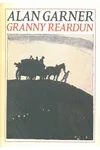
- Granny Reardun (1977) – Focuses on Mary's son, Joseph, who chooses to become a blacksmith rather than a stonemason.
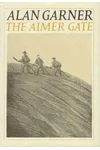
- The Aimer Gate (1978) – Focuses on Joseph's son, Robert, during the period of the First World War.
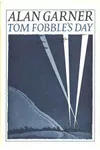
- Tom Fobble's Day (1977) – Set during the Second World War, focusing on Robert's grandson, William, and his grandfather's sledge.
Publication Order vs. Narrative Order Disagreement
Although Tom Fobble's Day was published in 1977, before The Aimer Gate (1978), it represents the final chronological generation of the family. Most readers and literary critics recommend following the narrative sequence (reading The Aimer Gate third and Tom Fobble's Day last) to preserve the generational flow of the family history.
Standalone Novels
If you wish to explore Garner's standalones, they are best read in publication order to observe how his writing evolved from straightforward fantasy to complex, multi-layered historical realism:
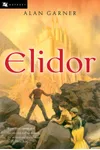
- Elidor (1965) – A dark urban fantasy where four children in Manchester are drawn into a dying, magical wasteland.
- The Owl Service (1967) – A tense, claustrophobic drama set in a Welsh valley where teenagers act out an ancient myth.
- Red Shift (1973) – A challenging novel linking three young men across three historical eras (Roman Britain, the English Civil War, and the 1970s) through a stone axe head.
- Strandloper (1996) – A historical novel based on the life of William Buckley, a Cheshire bricklayer who was transported to Australia and lived among Aboriginal people.
- Thursbitch (2003) – An eerie double-narrative set in a valley in the Pennines, connecting an 18th-century packhorse driver to a modern couple.
- Treacle Walker (2021) – A short, lyrical fable about a boy with a lazy eye who meets a wandering healer and rag-and-bone man.
What to Know Before You Start
Garner's works do not hand-hold the reader. He makes heavy use of local Cheshire dialect (particularly in the Stone Book Quartet and Thursbitch) and refuses to rely on conventional exposition. If a book feels confusing at first, focus on the rhythm of the language and the atmosphere of the landscape, as Garner's worlds are built on sensory experience and ancient myth rather than clean, logical worldbuilding guidelines.
Complete Publication Order of Alan Garner’s Books
For completionists, here is the chronological release order of all Alan Garner's primary works, including his novels, chapbooks, pictures, and major collections based on the local database:
The 1960s – 1970s
- The Weirdstone of Brisingamen (1960)
- The Moon of Gomrath (1963)
- Elidor (1965)
- The Owl Service (1967)
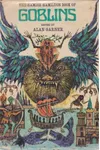
- A Cavalcade of Goblins (1969) – Anthology
- Red Shift (1973)
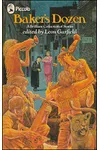
- Baker's Dozen of Stories for Young People (1974) – Anthology
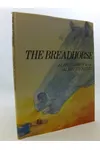
- The Breadhorse (1975) – Picture Book
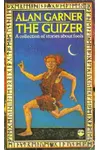
- The Guizer (1975) – Collection
- The Stone Book (1976)
- Granny Reardun (1977)
- Tom Fobble's Day (1977)
- The Aimer Gate (1978)
- The Golden Brothers (1979)
- Girl of the Golden Gate (1979)
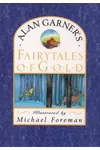
- Fairytales of Gold (1979) – Collection
The 1980s – 1990s
- The Lad of the Gad (1980)
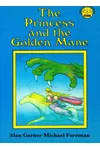
- Princess and the Golden Mane (1981) – Chapbook
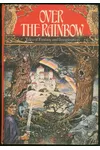
- Over the Rainbow (1983) – Anthology
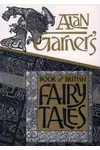
- Alan Garner's Book of British Fairy Tales (1984) – Collection
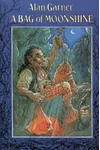
- A Bag of Moonshine (1986) – Collection
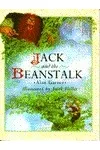
- Jack and the Beanstalk (1992) – Chapbook
- Once Upon a Time (1993)
- Strandloper (1996)
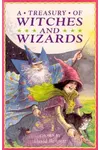
- A Treasury of Witches and Wizards (1996) – Anthology
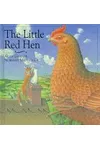
- The Little Red Hen (1997) – Picture Book
- The Well of the Wind (1998)
- Grey Wolf, Prince Jack and the Firebird (1998) – Chapbook
- The Voice That Thunders (1998) – Non-Fiction
The 2000s – Present
- Thursbitch (2003)
- Freedom (2009) – Anthology
- Where Shall We Run To? (2011) – Non-Fiction
- Boneland (2012)
- The Lobster's Birthday and Other Stories (2014) – Anthology
- Arboreal of Words from the Woods (2016) – Anthology
- Cornerstones: Subterranean Writings; from Dartmoor to the Arctic Circle (2018) – Anthology
- Treacle Walker (2021)