


How to Read the Alan Partridge Books: The Recommended Order
Alan Partridge—the cringe-inducing, sports-casual-wearing, pompous broadcaster created by Steve Coogan and Armando Iannucci—has transitioned from television screens and radio waves into the literary world with spectacular success. Writing in a pitch-perfect, self-justifying voice, "Alan" has authored three main memoirs and a multi-series audio diary that expand his fictional universe in hilarious detail.
For the best experience, you should read (or, more accurately, listen to) the books in publication order. Because Alan’s life is a series of desperate career restarts and personal indignities, reading them in order allows you to follow his chronological career arc, from his lowest ebbs to his inexplicable returns to the spotlight. Below is the recommended path:
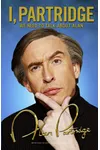
- I, Partridge: We Need to Talk About Alan (2011)
- Alan Partridge: Nomad (2016)
- From the Oasthouse: The Alan Partridge Podcast (Series 1–3, 2020–2023)
- Alan Partridge: Big Beacon (2023)
The Core Memoirs and Audio Diaries
1. I, Partridge: We Need to Talk About Alan (2011)
This is the essential starting point for any reader. Co-written by Steve Coogan, Armando Iannucci, Rob Gibbons, and Neil Gibbons, this debut memoir is a masterpiece of unreliable narration. Alan attempts to set the record straight on his life, rewriting his childhood, his disastrous BBC chat show career, his period of clinical depression (his "pear-shaped" phase where he gorged on Toblerones), and his eventual resurrection as a mid-morning radio host in Norfolk. It provides crucial background that reframes the classic television series Knowing Me, Knowing You and I'm Alan Partridge from Alan's deeply skewed perspective.
2. Alan Partridge: Nomad (2016)
In his second memoir, Alan embarks on a physical journey: a foot expedition across the wilds of Britain, following in the footsteps of his late father (or at least, a route his father once drove). Co-written by Coogan alongside Rob and Neil Gibbons, Nomad is a diary of local interactions, terrible foot care, and unsolicited advice given to bemused locals. It captures Alan at his most pompously athletic and highlights his absolute lack of self-awareness as he tries to frame a mundane walk as an epic test of human endurance.
3. From the Oasthouse: The Alan Partridge Podcast (2020–2023)
Though structured as a podcast, this multi-part audio series functions as a vital chapter in the Partridge canon. Released in three series (Series 1 in 2020, Series 2 in 2022, and Series 3 in 2023), From the Oasthouse is recorded from Alan’s home studio in his Norfolk oasthouse. It is a highly intimate, stream-of-consciousness look at his domestic life, his relationship with his dog Seldom, and his interactions with neighbors. It bridges the gap between Nomad and his return to television.
4. Alan Partridge: Big Beacon (2023)
Alan's third traditional memoir presents a dual narrative. On one hand, it details his triumphant return to mainstream television co-hosting the magazine show This Time. On the other hand, it chronicles his personal project: the restoration of a dilapidated lighthouse on the Kent coast. The book deals heavily with themes of rebuilding, legacy, and Alan’s ongoing war against his co-presenter Jenny Gresham. It shows a slightly older, wealthier, but no less insecure Alan trying to cement his status as a British broadcasting elder statesman.
Script Collections and Screenplays (For Completists)
If you want to consume every piece of written Partridge media, there are two primary script-based books that preserve the dialogue of his screen and radio appearances:
- Alan Partridge: Every Ruddy Word (2003): Published before the modern memoirs, this massive compilation gathers the scripts from his early radio shows, his chat shows, and both series of the sitcom I'm Alan Partridge. It remains a fantastic reference manual for his most famous catchphrases and physical comedy beats.
- Alan Partridge: Alpha Papa: Script (and Scrapped) (2013): This book features the shooting script of the 2013 feature film Alpha Papa, alongside deleted subplots, alternative jokes, and commentary that show how the writers constructed the movie's hostage-crisis plot.
The Ultimate Format Debate: Print vs. Audiobook
While the physical books are beautifully designed—complete with passive-aggressive footnotes, terrible photographs, and custom index entries—there is a near-universal consensus among fans and critics: the audiobooks are the definitive way to experience these works.
Narrated in character by Steve Coogan, the audiobooks transform the text. Coogan’s vocal performance captures the subtle shifts in Alan’s tone, from defensive whispers to misplaced bravado. Awkward pauses, throat-clearing, and mispronounced words that might look like simple typos on the page become brilliant comedic beats when spoken aloud. If you have the choice, listen to the audiobooks first, then reference the print versions for the physical visual jokes.
What to Know Before You Start: Continuity and Context
The books are written in a way that respects the continuity of the television and radio shows, but they also rewrite them to suit Alan's fragile ego. For instance, in I, Partridge, the tragic death of guest Forbes McAllister on his chat show (which viewers saw occur due to Alan's negligence with a pistol) is described by Alan as a tragic, unavoidable accident where he acted heroically. Knowing the "real" events from the TV shows makes his written justifications twice as funny, but the books are written clearly enough that even a newcomer can enjoy the sheer absurdity of his delusions.