





Where to Start with Alan Paton
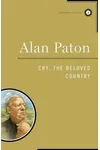
For anyone beginning their journey into Alan Paton's poignant bibliography, there is one undisputed entry point: Cry, the Beloved Country (1948). Written in a simple yet deeply poetic rhythm heavily influenced by the King James Bible, this international classic captures the heartbreak of a racially divided South Africa through the parallel tragedies of a Black pastor, Stephen Kumalo, and a white landowner, James Jarvis. Reading this novel first introduces you to Paton's unique prose style, compassionate worldview, and the central themes of reconciliation and justice that defined his life.
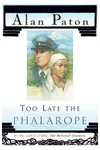
After finishing his debut, the ideal next step is Too Late the Phalarope (1953). This powerful, tragic novel shifts focus to an Afrikaner community, detailing the downfall of a respected white police officer who violates the country's strict racial segregation laws. It serves as an excellent thematic companion to his debut, showing how oppressive societal structures destroy the oppressor as well as the oppressed.
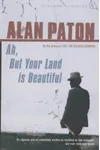
To round out his primary fiction, you should conclude with Ah, But Your Land Is Beautiful (1981). This historical novel, which was originally intended to be the first part of a trilogy that Paton never completed, offers a panoramic view of the political resistance and the formation of the Liberal Party of South Africa during the 1950s.
Understanding the Publication Oddities: Novels vs. Collections
When looking at bibliographies of Alan Paton, a few overlapping titles and classification errors often confuse readers. Here is what you need to know to avoid buying duplicate books:
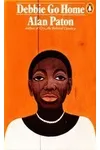
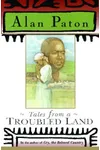
- Debbie Go Home vs. Tales from a Troubled Land (1961): These are not two different books. Debbie Go Home was the title used for the British edition, while Tales from a Troubled Land was used for the United States edition. Both contain the exact same ten short stories reflecting Paton's experiences as principal of the Diepkloof Reformatory.
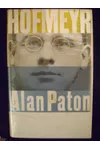
- Hofmeyr vs. South African Tragedy (1964/1965): While sometimes categorized as a novel in basic databases, this is actually a detailed biography of Jan Hendrik Hofmeyr, a liberal South African politician who mentored Paton. The book was published in South Africa as Hofmeyr in 1964 and released in the United States as South African Tragedy: The Life and Times of Jan Hofmeyr in 1965.
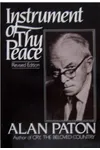
- Instrument of Thy Peace (1969): Frequently mislabeled as a novel, this is actually a spiritual, non-fiction devotional book containing meditations based on the Prayer of Saint Francis of Assisi.
Alan Paton Books in Publication Order
Standalone Novels
If you prefer to read Paton's novels in the order they were written, follow this sequence. Please note that several non-fiction works and collections are excluded from this list to highlight his core fiction:
- Cry, the Beloved Country (1948)
- Too Late the Phalarope (1953)
- Ah, But Your Land Is Beautiful (1981)
Short Story Collections
Paton was a master of the short form, often drawing directly on his real-world work with delinquent youth and marginalized communities:
ol>Biographies, Autobiographies, and Memoirs
For readers who want to understand the man behind the fiction, Paton's extensive non-fiction provides deep historical and personal context:
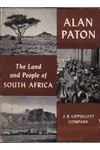
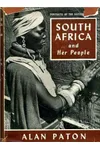
- The Land and People of South Africa (1955) – An informative introduction to his country's history and geography (revised in 1970 as South Africa and Her People).
- Hofmeyr (1964) – Biography of Jan Hofmeyr (published in the US as South African Tragedy).
- Kontakion for You Departed (1969) – A deeply personal memoir dedicated to his late wife, Dorrie Paton.
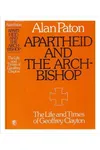
- Apartheid and the Archbishop (1973) – A biography of Geoffrey Clayton, the Archbishop of Cape Town who stood against segregation.
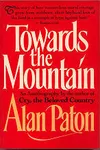
- Towards the Mountain (1980) – The first volume of Paton's autobiography, covering his early life and the success of his debut novel.
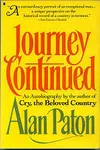
- Journey Continued: An Autobiography (1990) – The second volume of his autobiography, published posthumously, focusing on his political activism.
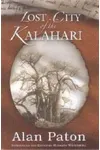
- Lost City of the Kalahari (2005) – A travel chronicle of Paton's 1956 expedition.
What to Know Before You Start
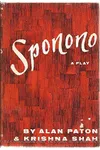
Paton was not just an observer; he was a key figure in the anti-apartheid struggle, co-founding the Liberal Party of South Africa in 1953. His writing is intensely moral and reflective of his Christian belief in universal human dignity. Readers should be prepared for heavy emotional themes, but also a persistent thread of hope that shines through even his most tragic narratives. His plays, such as Sponono (1965, co-written with Krishna Shah), adapt these same stories and themes directly for the stage.