


















How to Read Albert Camus: The Thematic Cycles
Unlike many authors whose books are best read chronologically, Albert Camus structured his major works into deliberate thematic "cycles." Each cycle was designed as a triptych consisting of a novel (representing the feeling), an essay (explaining the philosophy), and a play (showing the theme in action). To truly understand Camus's intellectual evolution, reading his books within these cycles is highly recommended.
1. The Cycle of the Absurd (Individual Realization)
This cycle introduces Camus's concept of the "absurd"—the friction between the human search for meaning and the cold, silent universe that offers none. It is the perfect starting point for any reader new to his work.
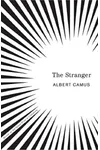
- The Novel: The Stranger (also translated as The Outsider, 1942). Camus's most famous novel follows Meursault, an emotionally detached Algerian who refuses to lie about his feelings, leading to his condemnation by society.
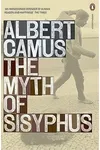
- The Essay: The Myth of Sisyphus (1942 French, 1955 English). The philosophical backbone of the Absurd. Camus uses the mythological figure of Sisyphus, condemned to roll a boulder up a hill for eternity, as the ultimate metaphor for human existence—suggesting we must imagine Sisyphus happy.
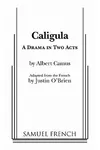
- The Play: Caligula (written 1938, published 1944). A dramatic exploration of the Roman Emperor who, upon realizing the absurdity of life, chooses absolute, destructive freedom.
2. The Cycle of Revolt (Collective Action and Solidarity)
Once you accept the absurdity of life, how do you live? Camus answers this in his second cycle, moving from individual detachment to collective resistance, solidarity, and moral limits in the face of suffering.
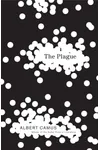
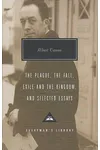
- The Novel: The Plague (1947). Set in the quarantined city of Oran, this masterpiece depicts a town fighting a deadly epidemic. It serves as both a literal thriller and a profound allegory for fascism, resistance, and human decency.
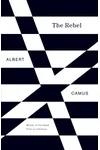
- The Essay: The Rebel (1951 French, 1953 English). A complex historical and philosophical examination of revolution, arguing that true rebellion must reject totalitarianism and respect human rights.
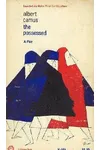
- The Play: The Just (also known as The Just Assassins or Les Justes, 1950). A dramatic portrayal of a group of Russian revolutionaries grappling with the morality of political violence and assassination.
3. The Cycle of Love / Nemesis (Unfinished)
Camus planned a third cycle focusing on love, moderation, and limits (symbolized by the Greek goddess Nemesis), but it was cut short by his tragic death in a car accident in 1960.
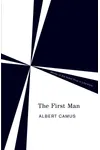
- The Novel: The First Man (published posthumously in 1994). An autobiographical, unfinished novel found in the wreckage of the car crash, portraying his childhood in Algeria.
Publication Order vs. Thematic Order
While the thematic cycles offer the most rewarding intellectual path, reading Camus in order of publication is also viable, particularly for understanding how his writing style matured over time. Here is the publication sequence of his primary novels, plays, and key essays:
- The Stranger (1942) - Novel
- Caligula (1944) - Play
- The Plague (1947) - Novel
- The Just (1950) - Play
- The Rebel (1953) - Essay
- The Myth of Sisyphus (1955) - Essay
- The Fall (1956) - Novel
- Exile and the Kingdom (1957) - Short Story Collection
- A Happy Death (written 1936–1938, published 1971) - Novel
- The First Man (published 1994) - Unfinished Novel
Standalone Masterpieces and Rarities
Several of Camus's most highly regarded works stand outside his primary cycles but are essential additions to your reading list:
- The Fall (1956): Camus's final completed novel is a brilliant monologue by Jean-Baptiste Clamence, a self-loathing defense attorney in Amsterdam. It is widely considered one of his most complex psychological and theological works.
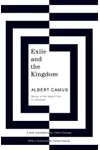
- Exile and the Kingdom (1957): A collection of six short stories, including "The Guest," which examine the themes of spiritual isolation and the search for community, mostly set in Algeria.
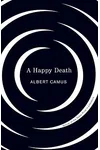
- A Happy Death (1971): Written before The Stranger but rejected by Camus, this early novel features a protagonist named Patrice Mersault and serves as a fascinating rough draft for his later masterpieces.
What to Know Before You Start
Camus is frequently miscategorized as an existentialist alongside Jean-Paul Sartre. In reality, Camus rejected the existentialist label and active political alignment with Sartre, which led to a famous public fallout between the two thinkers after the publication of The Rebel. Understanding this divide is helpful when reading his non-fiction essays. Additionally, keep in mind that translation titles can vary: L'Étranger is published as The Stranger in the US and The Outsider in the UK, while the play Les Justes is translated as either The Just or The Just Assassins.