
Where to Start with Albert Samaha
As a sports investigative reporter for The Washington Post and a former Buzzfeed News reporter, Albert Samaha has built a career on detailed reporting, empathy, and social advocacy. Because Samaha writes narrative non-fiction rather than serialized fiction, there is no strict chronological plotline to follow. Instead, his books function as standalone works. Choosing where to start depends entirely on the type of storytelling you prefer.
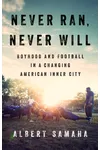
If you love narrative sports journalism and community portraits: Start with Never Ran, Never Will: Boyhood and Football in a Changing American Inner City (2018). It is a street-level, intimate look at youth sports, race, and gentrification in Brooklyn, perfect for fans of immersive storytelling like Friday Night Lights.
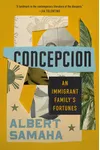
If you prefer deep family memoirs and historical non-fiction: Start with Concepcion: An Immigrant Family's Fortunes (2021). This book is a sweeping, multi-generational memoir that uses Samaha's own family history to explore the broader effects of colonialism, imperialism, and the search for the American Dream.
Albert Samaha Books in Publication Order
Reading Albert Samaha's books in order of publication shows his evolution from local, street-level reporting to a broader, global perspective on history and identity. Here is his bibliography in order of release:
- Never Ran, Never Will: Boyhood and Football in a Changing American Inner City (PublicAffairs, 2018) – 368 pages. A detailed narrative tracking the Mo Better Jaguars youth football team in Brownsville, Brooklyn.
- Concepcion: An Immigrant Family's Fortunes (Riverhead Books, 2021) – 400 pages. A memoir tracing his family's lineage from the Philippines to the United States, examining the historical ties and colonial legacies that shaped their journey.
Understanding the Works: Detailed Breakdowns
Never Ran, Never Will (2018)
Set in Brownsville, Brooklyn—a neighborhood frequently highlighted in media for high crime rates and poverty—this book follows the coaches and young players of the Mo Better Jaguars. Over the course of several seasons, Samaha reveals how a youth football program acts as a sanctuary, a community anchor, and a vehicle for hope. Rather than just focusing on the games, the book digs into the systemic barriers the kids face daily, including gentrification, underfunded schools, and the constant threat of violence. The book was a finalist for the 2019 PEN/ESPN Literary Sports Writing Award and won the 2019 New York Society Library Hornblower Award.
Concepcion: An Immigrant Family's Fortunes (2021)
In his second book, Samaha turns the lens inward to examine his mother’s side of the family, the Concepcions. Spanning generations, the book details how the family immigrated from the Philippines to the United States in search of stability, only to find themselves navigating the complex realities of assimilation, class, and identity. Samaha contextualizes his family's personal struggles and triumphs within the larger framework of U.S. imperialism, Spanish colonial rule, and the geopolitics of migration. Concepcion was widely praised for its balance of history and memoir, earning a place as a finalist for the 2021 National Book Critics Circle Award in Autobiography.
Adaptations and On-Screen Tie-Ins
For readers who enjoy cross-media experiences, Samaha's debut book served as a major inspiration for the screen. The Netflix documentary series We Are: The Brooklyn Saints (released in 2021) shares thematic roots and subject matter with Never Ran, Never Will. While the docuseries has its own directing style, watching it alongside reading the book provides a visually engaging, companion look at the community and youth football culture in Brooklyn that Samaha documented during his years of reporting.
What to Know Before You Start
Before diving in, readers should know that Albert Samaha writes with the precision of an investigative journalist and the warmth of a novelist. His journalism background means both books are heavily researched and grounded in real-world facts, interviews, and historical archives. However, he avoids dry, academic prose. His writing is characterized by deep empathy for his subjects—whether they are young athletes in Brooklyn or members of his own family. Expect stories that do not shy away from the hard realities of systemic inequality, but ultimately emphasize the resilience and humanity of the people navigating them.