
Where to Start with Alex Gilvarry
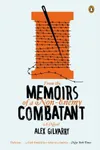
For readers new to Alex Gilvarry’s writing, the best entry point is his debut novel, From the Memoirs of a Non-Enemy Combatant (2012). This book established his trademark style: a mix of dark comedy, political satire, and deeply human characterization. Starting here allows you to experience the contemporary, post-9/11 satire that first put Gilvarry on the literary map before transitioning to the historical, character-driven focus of his second novel.
Because his novels are completely standalone works that share no characters or settings, you can read them in any order. However, following his publication order offers a fascinating look at how his thematic focus has evolved from modern immigrant experiences to historical critiques of toxic masculinity.
Alex Gilvarry Books in Publication Order
If you prefer to read his bibliography in the exact order it was presented to the public, here is the list:
- From the Memoirs of a Non-Enemy Combatant (2012)
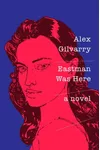
- Eastman Was Here (2017)
A Deep Dive into the Novels
1. From the Memoirs of a Non-Enemy Combatant (2012)
Gilvarry’s debut novel follows Boyet "Boy" Hernandez, a flamboyant and ambitious fashion designer who moves from the Philippines to New York City in 2002. Eager to make a name for himself in the cutthroat fashion industry, Boy takes financial backing from a wealthy neighbor named Ahmed to launch his line. Unfortunately, Ahmed's illicit dealings soon attract the attention of federal authorities. Through a series of Kafkaesque misunderstandings, Boy is arrested on suspicion of being a terrorist sleeper cell operative and sent to "No Man's Land"—a fictionalized detention facility inspired by Guantanamo Bay.
The novel shifts between Boy's glamor-filled, sometimes superficial life in New York and his grim reality in detention. Gilvarry uses this contrast to satirize both the vanity of the fashion industry and the heavy-handed paranoia of post-9/11 American counterterrorism. The book was highly praised for its humor and heart, earning Gilvarry the Hornblower Award for First Fiction and a place on the National Book Foundation's "5 Under 35" list in 2014.
2. Eastman Was Here (2017)
Gilvarry’s sophomore novel moves back in time to 1973. It centers on Alan Eastman, a once-famous "literary lion" in the vein of Norman Mailer. Eastman is facing a midlife and career crisis: his books aren't selling, his relevance is fading, and his wife, Penny, has left him. In a desperate bid to win back his wife and reclaim his standing in the literary world, Eastman accepts an assignment to travel to Saigon to cover the final days of the Vietnam War.
Instead of finding heroic inspiration, Eastman struggles with his own ego, writer's block, and the rapidly shifting realities of the era. The novel explores themes of toxic masculinity, artistic hubris, and the decline of the hypermasculine American intellectual. It was nominated for the PEN Open Book Award and praised for its sharp historical texture and witty character work.
What to Know Before You Start
Before diving into Gilvarry's work, it helps to understand a few key aspects of his storytelling style:
- Flawed Protagonists: Both Boy Hernandez and Alan Eastman are deeply flawed, occasionally delusional, and unreliable narrators. However, Gilvarry writes them with enough empathy that readers can root for them even as they make terrible decisions.
- The Norman Mailer Connection: While Alan Eastman is a fictional character, he is heavily inspired by Norman Mailer. Gilvarry, who was once a Norman Mailer Fellow, based the premise of Eastman Was Here on a trip to Vietnam that Mailer had planned but never actually took.
- Humor in Dark Places: Gilvarry doesn't shy away from heavy topics like indefinite military detention or the devastation of war, but he always approaches them through a satirical lens. If you enjoy authors like Joseph Heller, Gary Shteyngart, or Kurt Vonnegut, you will likely appreciate Gilvarry's tone.
- Creative Connections: In his personal life, Gilvarry is married to the acclaimed experimental novelist Alexandra Kleeman, making them a notable contemporary literary couple.