


Where to Start Reading Alexandra Diaz
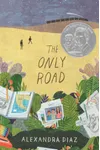
For readers new to Alexandra Diaz's work, the absolute best starting point is her breakthrough novel, The Only Road (2016). This middle-grade novel serves as the first half of a two-book story arc and outlines the journey of a young boy fleeing gang violence in Guatemala. It is her most critically acclaimed book, receiving a Pura Belpré Honor and setting the emotional and thematic tone for the rest of her bibliography.
If you prefer historical fiction rather than contemporary stories, starting with Farewell Cuba, Mi Isla (2023) is an excellent alternative. Inspired by the author's own family history, it offers a distinct, historically grounded entry point into her work without requiring any knowledge of her other books.
The Only Road Duology
This is the only direct narrative series written by Diaz. These books must be read in order, as the second book directly continues the storyline and character development of the first.
- The Only Road (2016): Introduces twelve-year-old Jaime and his cousin Ángela. Following the murder of his cousin by a local gang, Jaime and Ángela must make the perilous journey from Guatemala through Mexico to reach safety in the United States.
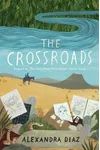
- The Crossroads (2018): Picks up right where the first book ends. It follows Jaime and Ángela as they try to adapt to life in New Mexico, attending an American school, learning English, and living with the constant fear and uncertainty of being undocumented.
Thematic Companion Novels
While the following books do not share characters or direct storylines with the Only Road duology, they share strong thematic connections, focusing on children navigating borders, detention, and displacement. They can be read as standalones in any order, but reading them after the duology provides a broader view of the immigrant experience in modern literature.
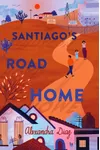
- Santiago's Road Home (2020): This novel follows Santiago, a young Mexican boy fleeing an abusive home who attempts to cross the U.S. border. He is subsequently detained in an ICE facility. While it is an independent story with a unique cast, it serves as an excellent thematic companion to The Only Road.
- Farewell Cuba, Mi Isla (2023): A historical fiction novel that moves away from contemporary Central America. It follows two young girls who flee Cuba in the 1960s under Fidel Castro's regime, adjusting to life in the United States as refugees. It is heavily inspired by the refugee experiences of Diaz's own family.
Young Adult Novels and Other Standalones
Before focusing on middle-grade fiction, Diaz wrote contemporary young adult novels dealing with relationships, rumors, and coming-of-age hurdles. She also writes lighter middle-grade fiction focused on performing arts.
- Of All the Stupid Things (2010) / When We Were (2015): Diaz's debut young adult novel. It follows three best friends—Tara, Whitney Blaire, and Pinkie—navigating rumors and changing relationship dynamics in high school. The novel was originally published in 2010 as Of All the Stupid Things and was later revised and re-released in 2015 under the title When We Were.
- Good Girls Don't Lie (2016): A young adult novel exploring teenage pregnancy, family expectations, and the consequences of rumors in a tight-knit community.
- Camp Big Top (2026): A middle-grade contemporary novel that shifts away from migration themes. Drawing on Diaz's personal experience as a circus arts instructor, it follows a group of kids trying to save their beloved summer circus camp.
Alexandra Diaz Books in Publication Order
For readers who want to experience the evolution of Diaz's writing career, reading her works in order of release is a rewarding option. Note the title change for her debut novel, which was re-released in the middle of her publishing timeline.
- Of All the Stupid Things (2010) - Re-released as When We Were in 2015
- Good Girls Don't Lie (2016)
- The Only Road (2016)
- The Crossroads (2018)
- Santiago's Road Home (2020)
- Farewell Cuba, Mi Isla (2023)
- Camp Big Top (2026)
What to Know Before You Start
Diaz's books frequently incorporate Spanish phrases and cultural nuances, mirroring the dual-identity experiences of her characters. Many of her books have official Spanish translations, often translated by Diaz herself, making them highly accessible bilingual tools. While her middle-grade novels deal with heavy subjects such as gang violence, physical danger, and ICE detention facilities, they are written with a sensitive, age-appropriate lens that emphasizes resilience, family bonds, and hope.