



Where to Start Reading Alistair MacLean
Alistair MacLean was a pioneer of the modern action thriller, writing gripping tales of survival, espionage, and military grit. Because the vast majority of his bibliography consists of standalone novels, you do not need to follow a strict chronological sequence. Instead, the best way to experience MacLean is by starting with his absolute masterpieces from his peak period (1955–1968).
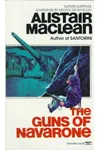
The Commando Classic: The Guns of Navarone (1957)
This is MacLean's most famous novel and the blueprint for the "impossible mission" trope. Following a team of Allied commandos tasked with destroying massive German fortress guns on a Greek island, it offers relentless suspense and flawless pacing. It is the perfect entry point for any reader.
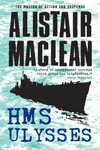
The Navy Masterpiece: H.M.S. Ulysses (1955)
MacLean’s debut novel is widely considered one of the greatest sea stories ever written. Drawing directly on his own wartime service in the Royal Navy, it depicts the brutal, icy reality of the Arctic convoys. It is grittier and more realistic than his later spy thrillers, showcasing the human cost of war.
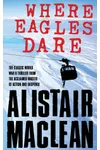
The Ultimate Espionage Thriller: Where Eagles Dare (1967)
A masterclass in double-crosses and high-altitude action, this novel follows a British commando team infiltrating a Nazi castle in the Bavarian Alps. MacLean actually wrote the screenplay and the novel concurrently, resulting in an incredibly cinematic reading experience.
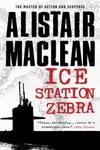
Cold War Suspense: Ice Station Zebra (1960)
For readers who love isolated settings, this thriller takes you aboard a nuclear submarine sent to rescue a weather station crew in the Arctic. Filled with espionage, sabotage, and claustrophobic tension, it shows MacLean at the height of his powers.
The Guns of Navarone Series
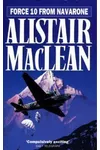
While MacLean focused primarily on self-contained stories, he wrote one direct sequel to his most famous work. The core Navarone books by MacLean are:
- The Guns of Navarone (1957)
- Force 10 from Navarone (1968)
Note: In the late 1990s, author Sam Llewellyn was authorized to continue the series, writing two additional sequels: Storm Force from Navarone and Thunderbolt from Navarone.
Alistair MacLean's UNACO Series
The UNACO (United Nations Anti-Crime Organization) series is a unique part of MacLean's bibliography. In 1980, MacLean created the concept and wrote detailed movie outlines and story treatments for this fictional agency, but he did not write the novels themselves. The books were written by other authors based on his outlines, and they should be read in publication order:
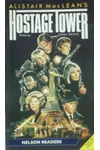
- Hostage Tower (1980) – written by John Denis
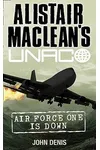
- Air Force One Is Down (1981) – written by John Denis
- Death Train (1988) – written by Alastair MacNeill
- Alistair MacLean's Death Train (1988) – written by Alastair MacNeill
- Night Watch (1989) – written by Alastair MacNeill
- Red Alert (1990) – written by Alastair MacNeill
- Time of the Assassins (1991) – written by Alastair MacNeill
- Dead Halt (1992) – written by Alastair MacNeill
- Code Breaker (1993) – written by Alastair MacNeill
- Rendezvous (1995) – written by Alastair MacNeill
- Prime Target (1997) – written by Hugh Miller
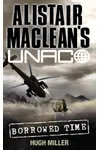
- Borrowed Time (1998) – written by Hugh Miller
Publication Order of Standalone Novels
If you prefer to watch MacLean’s style evolve over the course of his career, reading his standalone thrillers in order of publication is a highly rewarding approach:
- H.M.S. Ulysses (1955)
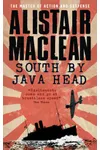
- South by Java Head (1958)
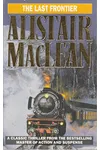
- The Last Frontier / The Secret Ways (1959)
- Night Without End (1960)
- Ice Station Zebra (1960)
- Fear is the Key (1961)
- The Black Shrike / The Dark Crusader (1961)
- The Golden Rendezvous (1962)
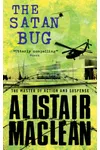
- The Satan Bug (1962)
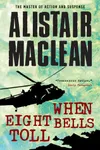
- When Eight Bells Toll (1966)
- Where Eagles Dare (1967)
- Puppet on a Chain (1969)
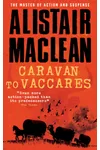
- Caravan to Vaccares (1970)
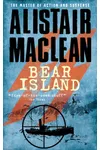
- Bear Island (1971)
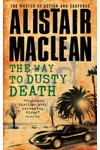
- The Way to Dusty Death (1973)
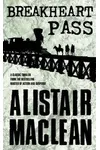
- Breakheart Pass (1974)
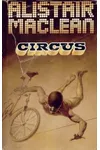
- Circus (1975)
- The Golden Gate (1975)
- Goodbye, California (1977)
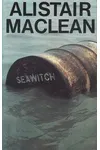
- Seawitch (1977)
- Athabasca (1980)
- River of Death (1981)
- Partisans (1982)
- Floodgate (1983)
- San Andreas (1984)
- Santorini (1986)
Note: MacLean originally published two of these novels, The Dark Crusader (also published as The Black Shrike) and The Satan Bug, under the pseudonym Ian Stuart. He wanted to test whether his books would sell on their own merit without his famous name on the cover. They were later reissued under his real name.
Short Story Collections, Non-Fiction, and Anthologies
In addition to his novels, MacLean published several shorter works and historical biographies during his lifetime:
Short Story Collections
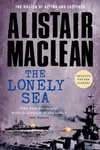
- The Lonely Sea (1985)
Non-Fiction
- Lawrence of Arabia (1962)
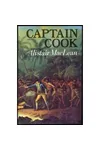
- Captain Cook (1972)
Anthologies
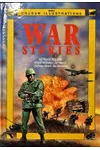
- War Stories (1987)
What to Know Before You Start
MacLean’s thrillers are characterized by clean, spare prose, complex espionage plots, and stoic, highly capable heroes. Unlike contemporary spy thrillers of the era (such as Ian Fleming’s James Bond), MacLean’s stories place very little emphasis on romance or high-tech gadgets. Instead, they focus on grit, betrayal, strategy, and environmental survival. A common consensus among fans is that MacLean’s early work up to 1968 represents his peak, whereas his later 1970s and 1980s novels tend to follow more formulaic plots.