

Where to Start Reading Alistair Moffat
Because the vast majority of Alistair Moffat’s bibliography consists of non-fiction works, there is no strict narrative timeline to follow. Instead, the best way to navigate his books is by subject matter. If you are new to his writing, we recommend starting with one of these key entry points depending on your specific interest:
- For a General Introduction: Start with Scotland: A History from Earliest Times (2015). This is his most comprehensive single-volume history, tracing the country from its geological origins through major battles like Bannockburn and into modern times.
- For Genetic Ancestry: Start with The Scots: A Genetic Journey (2011), co-authored with geneticist James F. Wilson. It combines DNA science with historical narratives to show how Vikings, Picts, and ancient settlers formed the modern Scottish population.
- For Landscape and Travel: Start with The Hidden Ways: Scotland's Forgotten Roads (2017). This book mixes personal walking diaries with the deep history of the paths, drove roads, and Roman routes that crisscross the country.
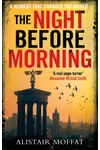
- For Fiction: Read his debut novel, The Night Before Morning (2022), a fast-paced alternate history thriller set in the aftermath of a successful Nazi atomic strike on London in 1944.
Thematic Reading Categories
Moffat's non-fiction works are best grouped into distinct categories. Reading them within these thematic collections helps build a cohesive picture of Britain's and Scotland's past.
1. Sweeping Histories of Scotland & the Borders
These books focus on the broad cultural, military, and political history of Scotland, with a particular focus on the Anglo-Scottish border country where Moffat grew up. They can be read in any order, though chronological history fans may prefer reading Before Scotland first:
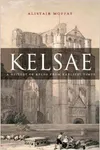
- Kelsae: A History of Kelso from Earliest Times (1985)
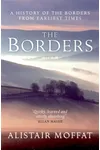
- The Borders: A History of the Borders from Earliest Times (2002)
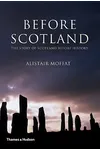
- Before Scotland: The Story of Scotland Before History (2005)
- The Highland Clans (2010)
- The Faded Map: The Story of the Lost Kingdoms of Scotland (2010)
- The Reivers: The Story of the Border Reivers (2011)
- Hawick: A History from Earliest Times (2014)
- Bannockburn (2014)
- Scotland: A History from Earliest Times (2015)
- Scotland's Forgotten Past (2023)
2. Roman Britain, Celtic Kingdoms, and Legend
Moffat frequently explores the edges of recorded history, examining the impact of the Roman Empire and the origins of Celtic legends, including King Arthur:
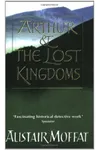
- Arthur and the Lost Kingdoms (1999)
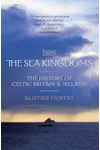
- The Sea Kingdoms: The History of Celtic Britain & Ireland (2001)
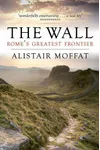
- The Wall: Rome's Greatest Frontier (2009)
3. The Genetic Journey Trilogy
If you are interested in archaeogenetics, these three books should be read in order of publication, as they build upon progressively newer DNA studies and expand in geographic scope:
- The Scots: A Genetic Journey (2011) – Focuses on Scotland's ancestral DNA.
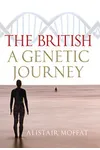
- British: A Genetic Journey (2013) – Expands the focus to the genetic makeup of the wider British Isles.
- Britain's DNA Journey: Our Incredible Genetic Story (2019) – Explores deep human migrations and genetic history using updated testing databases.
4. Walking the Land: Historical Travelogues
These narrative travelogues follow Moffat as he hikes along ancient lines, borders, and paths. They are highly personal, combining geography with historical analysis:
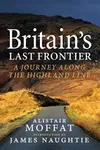
- Britain's Last Frontier / Scotland's Last Frontier: A Journey Along the Highland Line (2012 / 2016)
- The Hidden Ways: Scotland's Forgotten Roads (2017)
- To the Island of Tides: A Journey to Lindisfarne (2019)
- Between Britain: Walking the History of England and Scotland (2024)
5. Local Memoirs and Reflections
These works are more reflective and intimate, focusing on Moffat's relationship with his local landscape, home life, and artistic collaborations:
- The Edinburgh Fringe (1978) – An early chronicle written after directing the famous arts festival.
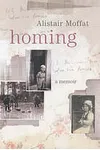
- Homing: A Memoir (2003)
- The Secret History of Here: A Year in the Valley (2020) – A diary tracking the seasons and deep history of his farm in the Borders.
- Islands of the Evening: Journeys to the Edge of the World (2022) – A search for the retreats of the early Celtic saints.
Co-authored and Companion Books
Moffat has regularly worked with other writers, historians, and artists. Notable collaborative works include:
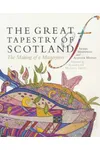
- The Great Tapestry of Scotland (2013) – A companion book to the massive community arts project co-chaired by Moffat, detailing the history stitched into the tapestry.
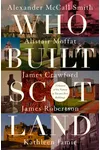
- Who Built Scotland: A History of the Nation in Twenty-Five Buildings (2017) – Co-authored with Alexander McCall Smith, Kathleen Jamie, James Crawford, and James Robertson, exploring the nation’s history through its architecture.
What to Know Before You Start
Moffat's writing style is highly accessible, blending academic research with a storyteller's prose. However, readers should note that his genetic books, while incredibly popular, generated some debate among geneticists regarding the certainty of tracing individual lineages back to specific historical figures. When reading the genetic trilogy, it is best to view them as historical narratives informed by science rather than definitive genetic blueprints. For his historical guides, Moffat's deep love for the Scottish Borders shines through, making them excellent companions for actual walks or armchair travel.