










Where to Start with Allan Massie
Allan Massie was a master of the historical novel, celebrated for his ability to crawl inside the minds of history's most powerful, complicated, and deeply flawed figures. Because his work spans ancient Rome, the Dark Ages, and World War II, the best place to start depends entirely on your preferred historical era:
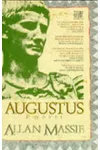
- For Ancient Rome Enthusiasts: Start with Augustus (also published as Let the Emperor Speak). It is the crown jewel of his Roman sequence, written as a brilliant, intimate fictional memoir of Rome's first emperor.
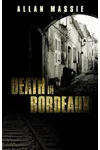
- For Crime and Thriller Lovers: Start with Death in Bordeaux. This kicks off his dark, atmospheric wartime crime series set in occupied France.
- For Lovers of Literary Biography: Start with The Ragged Lion, a highly acclaimed, beautifully written fictional autobiography of Sir Walter Scott in his final years.
The Roman Sequence (Imperial Series & Standalones)
Massie's most famous body of work is his sequence of novels set in ancient Rome. In the local database, these are divided between the official "Imperial Books" trilogy and various standalones. However, they are all thematic companions, written as fictional first-person memoirs or contemporary accounts of Rome's most notorious leaders. You can read them in publication order or jump to whichever figure interests you most, as they are fully self-contained.
Publication Order of the Roman Novels
- Augustus / Let the Emperor Speak (1986) – A reflective memoir by the aging emperor looking back at his rise to power.
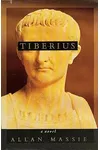
- Tiberius (1991) – A psychological study of a reluctant, isolated ruler navigating the shadow of Augustus.
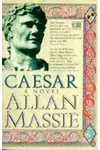
- Caesar (1993) – The assassination of Julius Caesar, told from the perspective of Decimus Brutus.
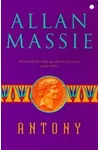
- Antony (1997) – The passionate, politically charged life of Mark Antony.
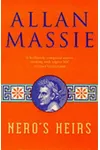
- Nero's Heirs (1999) – The chaotic aftermath of Nero's death during the Year of the Four Emperors.
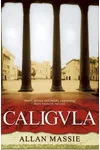
- Caligula (2003) – A chilling, humanizing look at one of Rome's most infamous tyrants, narrated by his close friend.
The Bordeaux Quartet
For readers who enjoy historical noir, the Bordeaux Books are highly recommended. Featuring Superintendent Jean Lannes, a melancholy, Maigret-like police detective in occupied Bordeaux during World War II, this series is tightly serialized. You must read these in strict publication order to appreciate Lannes' ongoing family struggles and the moral decline of occupied France.
Publication Order of Bordeaux Books
- Death in Bordeaux (2010)
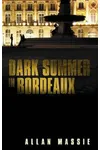
- Dark Summer in Bordeaux (2012)
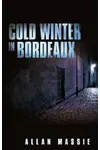
- Cold Winter in Bordeaux (2014)
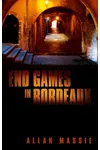
- End Games in Bordeaux (2015)
The Dark Ages Trilogy
This trilogy moves from the twilight of the Roman Empire into the legendary foundation of medieval Europe. The books are linked by their examination of historical transitions and the blending of history with myth, but they feature different characters and settings, meaning they can easily stand alone.
Publication Order of Dark Ages Books
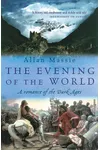
- The Evening of the World (1999) – Follows a young Roman nobleman named Marcus as the old empire collapses around him.
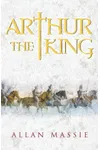
- Arthur the King (2003) – Reimagines the Arthurian legends within a realistic, gritty post-Roman British political landscape.
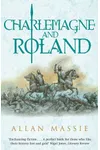
- Charlemagne and Roland (2009) – Explores the medieval rise of empire and the legendary battles of the Frankish court.
The Question of Loyalties Trio
This loose trilogy explores the heavy moral weight, collaboration, and guilt stemming from mid-20th-century conflicts. The books do not share characters but are deeply connected by their post-war settings and ethical dilemmas.
Publication Order of Question of Loyalties Books
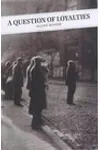
- A Question of Loyalties (1989) – Follows a man investigating his father's questionable role in the Vichy France government.
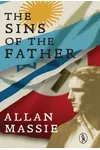
- The Sins of the Father (1991) – Set in 1960s Argentina, exploring the romance between the son of a Nazi war criminal and the daughter of a Holocaust survivor.
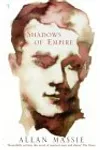
- Shadows of Empire (1997) – Follows four Scottish brothers navigating the turbulent political landscapes of the 1930s and World War II.
What to Know Before You Start
Massie was a trained historian (graduating from Cambridge), and his fiction is notable for its resistance to modern historical-fiction tropes. Instead of action-packed blockbusters, his books are quiet, introspective, and heavily political. He frequently utilizes the framing device of "discovered manuscripts" or personal journals to create an authentic, diary-like intimacy. Don't expect clean heroes and villains; Massie is far more interested in the compromises people make when surviving under tyrannical regimes, whether in ancient Rome or occupied France.