

Where to Start with Alvin Schwartz
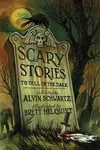
For most readers, the ultimate gateway to Alvin Schwartz is his iconic trilogy: Scary Stories to Tell in the Dark. First published in 1981, this collection of folklore and urban legends has become a rite of passage for young readers. If you want to experience the quintessential Schwartz style—stripped-down, eerie storytelling designed to be read aloud—start with the first book in that trilogy.
However, Schwartz's work spans a wide range of age levels and styles. The best starting point depends on the reader's age and tolerance for scares:
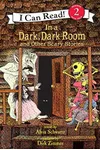
- For Young Readers (Ages 4-8): Start with In a Dark, Dark Room and Other Scary Stories. This Level 2 "I Can Read" book introduces spooky themes gently, using repetition and simpler vocabulary.
- For Middle Grade Readers and Nostalgic Adults: Start with the original Scary Stories to Tell in the Dark (1981) and read the trilogy in publication order.
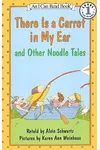
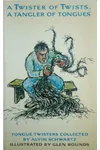
- For Those Who Prefer Laughs Over Scares: Start with There Is a Carrot in My Ear and Other Noodle Tales (1982) or the classic tongue-twister collection A Twister of Twists, a Tangler of Tongues (1972).
Crucial Caveat: The Two Alvin Schwartzes
When looking up a reading list or bibliography for Alvin Schwartz, readers frequently encounter database mix-ups. There are two distinct, prominent American writers with this name, and their bibliographies are often combined in catalog systems:
- Alvin Schwartz (1927–1992): The folklorist, journalist, and children's author who wrote the Scary Stories trilogy, noodle tales, and wordplay collections discussed in this guide.
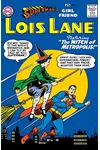
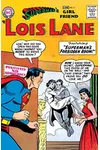
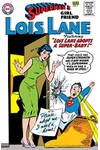
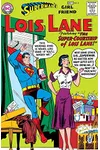
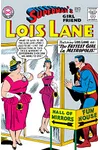
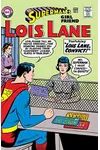
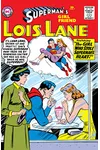
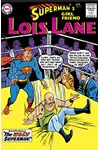
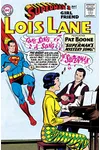
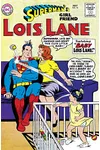
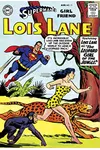
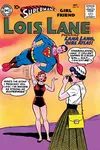
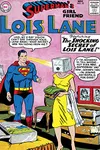
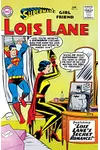
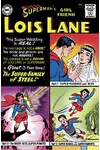
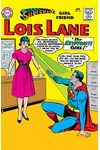
- Alvin Stanley Schwartz (1916–2011): A prominent comic book writer during the Golden Age of Comics. He wrote extensively for DC Comics, scripting stories for Superman, Batman, and Superman's Girl Friend Lois Lane.
If you see comic book titles or 1950s Lois Lane issues listed under Alvin Schwartz's name, they belong to the comic book writer Alvin Stanley Schwartz, not the author of Scary Stories.
The Scary Stories Trilogy
The core of Schwartz's literary legacy is the trilogy of horror collections that kept children awake throughout the 1980s, 90s, and beyond. There is no continuous plot or recurring characters across these books; each is an anthology of folklore, urban legends, and traditional songs. Thus, while reading in order is recommended to trace how the complexity of the stories evolved, they can easily be read as standalones.
- Scary Stories to Tell in the Dark (1981)
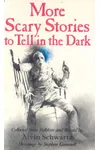
- More Scary Stories to Tell in the Dark (1984)
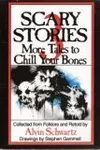
- Scary Stories 3: More Tales to Chill Your Bones (1991)
The Illustration Controversy
You cannot talk about the Scary Stories trilogy without mentioning the artwork. The original editions featured nightmarish, surreal charcoal-and-ink illustrations by Stephen Gammell, which are widely considered essential to the books' terrifying atmosphere. In 2011, for the 30th anniversary editions, HarperCollins replaced Gammell's art with cleaner, more traditional illustrations by Brett Helquist. Following intense fan backlash, the publisher restored Gammell's original art in subsequent printings. When acquiring these books, many collectors recommend seeking out the editions featuring Gammell's illustrations.
Easy-Reader Spooky Tales
Alongside the main trilogy, Schwartz adapted folklore for early readers in the HarperCollins "I Can Read" series. These books feature shorter stories and large text but retain the author's signature eerie charm.
- In a Dark, Dark Room and Other Scary Stories (1984) – Features the famous tale "The Green Ribbon" and is illustrated by Stephen Gammell.
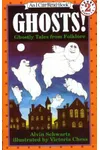
- Ghosts! Ghostly Tales from Folklore (1991) – A collection of seven short, slightly humorous ghost stories illustrated by Victoria Chess.
Wordplay, Riddles, and Tongue Twisters
Beyond scares, Schwartz was deeply fascinated by the humorous side of American folklore. He wrote several books dedicated to wordplay, riddles, tongue twisters, and trickery. These collections are excellent companions to his spooky works and demonstrate his versatility.
The Noodle Tales
These books collect traditional "noodle tales"—humorous folklore stories about silly or foolish people doing absurd things. They are structured as early readers.
- There Is a Carrot in My Ear and Other Noodle Tales (1982)
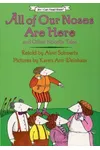
- All of Our Noses Are Here and Other Noodle Tales (1985)
Wordplay and Riddles
- A Twister of Twists, a Tangler of Tongues (1972) – A collection of tongue twisters.
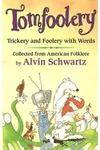
- Tomfoolery: Trickery and Foolery with Words (1975) – Explores word games, riddles, and verbal tricks.
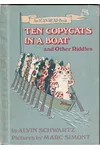
- Ten Copycats in a Boat, and Other Riddles (1980) – Traditional riddles for young readers.
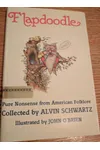
- Flapdoodle: Pure Nonsense from American Folklore (1980) – Focuses on nonsense poetry, riddles, and physical tricks.
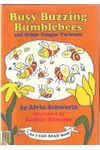
- Busy Buzzing Bumblebees and Other Tongue Twisters (1982) – Simple tongue twisters for early readers.
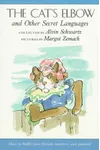
- The Cat's Elbow and Other Secret Languages (1985) – Explores code languages, pig latin, and secret slang from around the world.
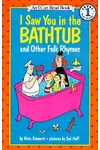
- I Saw You in the Bathtub and Other Folk Rhymes (1989) – Traditional schoolyard rhymes and chants.
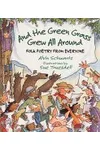
- And the Green Grass Grew All Around: Folk Poetry from Everyone (1992) – A collection of folk poems and songs.
Tall Tales, Legends, and Lore Collections
Schwartz spent decades researching archives and interviewing children and experts to compile traditional American tall tales, folklore about animals, and stories of supernatural occurrences.
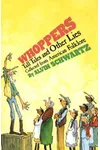
- Whoppers: Tall Tales and Other Lies (1975) – A compilation of comedic lies and tall tales from American history.
- Kickle Snifters and Other Fearsome Critters (1976) – A picture book detailing the bizarre mythical creatures of American lumberjack folklore. Note: Some library catalogs incorrectly list this book's publication year as 1911 due to a typographical database error, but it was published in 1976.
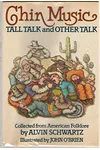
- Chin Music: Tall Talk and Other Talk (1979) – Explores regional dialects, folk speech, and slang.
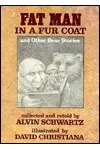
- Fat Man in a Fur Coat and Other Bear Stories (1984) – Folklore and true accounts of bears and their interactions with humans.
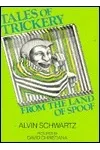
- Tales of Trickery from the Land of Spoof (1985) – Historical pranks, hoaxes, and tricks.
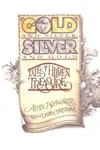
- Gold and Silver, Silver and Gold: Tales of Hidden Treasure (1988) – True histories and folklore of buried treasure, pirates, and lost mines.
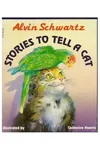
- Stories to Tell a Cat (1992) – A collection of folklore and short tales centering on domestic cats.
Non-Fiction Guides
Earlier in his career, Schwartz also wrote practical non-fiction guides and analytical examinations of folklore superstitions.
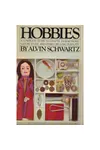
- Hobbies: An Introduction to Crafts, Collections, Nature Study, and Other Life-Long Pursuits (1972)
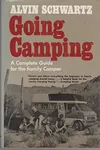
- Going Camping: A Complete Guide for the Family Camper (1972)
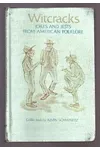
- Witcracks: Jokes and Jests from American Folklore (1973)
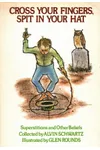
- Cross Your Fingers, Spit in Your Hat (1974) – An informative study of common American superstitions, good luck charms, and bad omens.
- When I Grew Up Long Ago (1978) – An oral history collection compiled from interviews detailing American life in the late 19th and early 20th centuries.
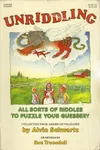
- Unriddling: All Sorts of Riddles to Puzzle Your Guessery (1983)
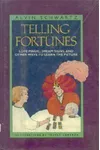
- Telling Fortunes: Love Magic, Dream Signs, and Other Ways to Learn the Future (1987)