


Where to Start Reading Amos Oz
Amos Oz did not write interconnected fantasy series or chronological sagas; instead, his novels, short stories, and essays stand alone as deeply personal and political portraits of Israeli life. Choosing where to start depends on whether you want to dive into his celebrated life story, his early breakthrough fiction, or his late-career intellectual reflections.
Path 1: The Masterpiece Entryway
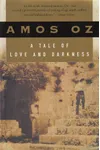
If you only read one book by Amos Oz, make it A Tale of Love and Darkness (2004). Frequently cited as his magnum opus, this sweeping autobiographical novel explores his family's European roots, his childhood in a tense, pre-state Jerusalem, and the tragic suicide of his mother when he was twelve. It serves as both a memoir and a history of a nation's birth, providing crucial context for all of his other works.
Path 2: The Breakthrough Classic
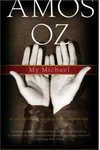
For readers who want to experience the fiction that made him a global literary star, start with My Michael (1968). Set in 1950s Jerusalem, this novel offers a psychological portrait of a young woman, Hannah, whose marriage and inner life slowly fracture against a backdrop of post-war civic tension. It is a masterclass in mood and metaphor.
Path 3: The Late Masterwork
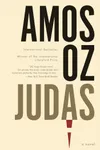
If you prefer philosophical depth and historical debate, begin with Judas (2014), Oz's final novel. Set in Jerusalem in the winter of 1959, it follows a young researcher living with an elderly intellectual and a grieving woman. Through their conversations, the novel explores the theme of betrayal, rehabilitating the figure of Judas Iscariot while reflecting on the historical paths taken by the state of Israel.
Thematic Sequences: Kibbutz vs. Jerusalem
Oz's life was divided between two major landscapes, and his works are best grouped by these settings. Reading them in thematic blocks allows you to trace how his perspective on these communities evolved over decades.
The Kibbutz Cycle
Oz left Jerusalem at age fifteen to live on Kibbutz Hulda, seeking to escape his intellectual upbringing. His books set in these cooperative agricultural communities explore the claustrophobia of communal living and the clash between individual desires and utopian ideology:
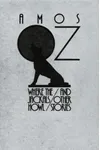
- Where the Jackals Howl (1965) – His debut collection of stories introduces the dark undercurrents of early kibbutz life.
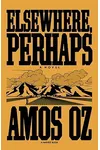
- Elsewhere, Perhaps (1966) – His first novel, focusing on the complex relationships and gossip in a fictional kibbutz.
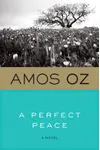
- A Perfect Peace (1982) – A novel exploring generational conflict on a kibbutz in the mid-1960s.
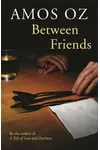
- Between Friends (2013) – A late collection of interconnected stories that looks back at kibbutz life with poignant nostalgia.
The Jerusalem Cycle
Jerusalem represents Oz's childhood, his family's ghosts, and the intellectual debates of the British Mandate and early independence years:
- My Michael (1968) – A portrait of Jerusalem in the 1950s.
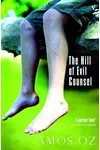
- The Hill of Evil Counsel (1976) – Three novellas capturing Jerusalem just before the British departure.
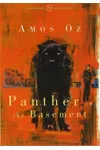
- Panther in the Basement (1997) – A coming-of-age story about a young boy befriending a British policeman in 1947 Jerusalem.
- A Tale of Love and Darkness (2004) – The ultimate non-fiction novel of Jerusalem's history and Oz's family.
- Judas (2014) – A quiet, intellectual chamber piece set in 1959 Jerusalem.
What to Know Before You Start
Oz wrote primarily in Hebrew, and his work is heavily shaped by the language's revival and historical layers. Translating his poetic, highly rhythmic prose was a collaborative effort, most notably with translator Nicholas de Lange. Readers should note that publication years listed in English bibliographies represent the English translation, which often lagged behind the Hebrew originals by a few years (for instance, the Hebrew edition of A Tale of Love and Darkness appeared in 2002, while the English translation was published in 2004).
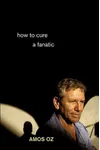
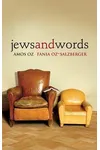
Furthermore, his non-fiction essays, such as In the Land of Israel (1982) and How to Cure a Fanatic (2002), directly address the political realities of the Israeli-Palestinian conflict and showcase his life's dedication to peace advocacy. He also co-authored the cultural essay Jews and Words (2012) with his daughter, historian Fania Oz-Salzberger, as part of the broader Posen Library project documenting Jewish culture and civilization.
Amos Oz Bibliography (Publication Order)
Standalone Novels
- Elsewhere, Perhaps (1966)
- My Michael (1968)
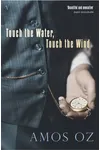
- Touch the Water, Touch the Wind (1974)
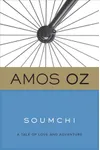
- Soumchi (1980)
- A Perfect Peace (1982)
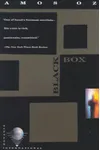
- Black Box (1986)
- To Know a Woman (1989)
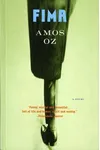
- Fima (1991)
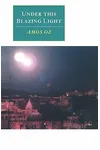
- Under This Blazing Light (1995)
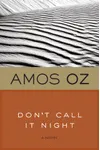
- Don't Call It Night (1996)
- Panther in the Basement (1997)
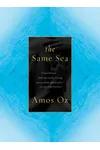
- The Same Sea (2001)
- A Tale of Love and Darkness (2004)
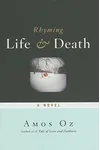
- Rhyming Life and Death (2009)
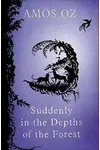
- Suddenly in the Depths of the Forest (2010)
- Between Friends (2013)
- Judas (2014)
Story Collections
- Where the Jackals Howl (1965)
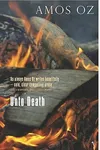
- Unto Death (1969)
- The Hill of Evil Counsel (1976)
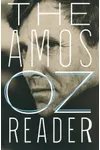
- The Amos Oz Reader (2009)
- Scenes from Village Life (2011)
Non-Fiction & Essays
- In the Land of Israel (1982)
- Israeli Literature (1985)
- The Slopes Of Lebanon (1987)
- The Silence of Heaven: Agnon's Fear of God (1993)
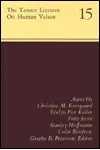
- The Tanner Lectures on Human Values (1994)
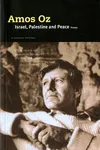
- Israel, Palestine and Peace (1995)
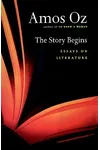
- The Story Begins: Essays on Literature (1996)
- How to Cure a Fanatic (2002)
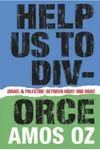
- Help Us To Divorce (2003)
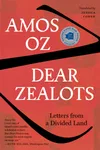
- Dear Zealots (2017)
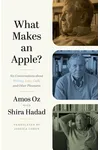
- What Makes an Apple? (2022)
Posen Library of Jewish Culture and Civilization Association
Amos Oz co-authored the book Jews and Words with Fania Oz-Salzberger under this project. The broader academic series includes companion and collection volumes associated with the Posen Foundation:
- Jews and Words (2012)
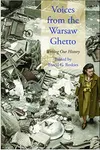
- Voices from the Warsaw Ghetto (2019)
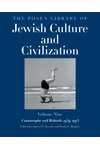
- Catastrophe and Rebirth, 1939–1973 (2020)
Anthologies
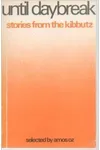
- Until Daybreak: Stories From The Kibbutz (1984)
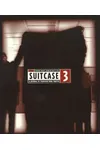
- Suitcase: A Journal of Transcultural Traffic, Volume 3 (1998)
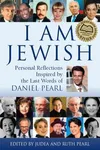
- I Am Jewish (2004)
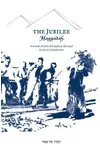
- The Jubilee Haggadah (2017)