

How to Start Reading Amparo Dávila
Amparo Dávila is a master of the short story format, known for crafting what critics call "tiny nightmares" that blend everyday domestic reality with psychological horror. Because her stories are standalone tales of dread, madness, and isolation, there is no single narrative timeline or chronology to follow. Instead, your reading path depends on whether you are reading her in English or her native Spanish.
The Recommended Path for English Readers
For decades, Dávila’s work was unavailable to English-speaking audiences. Thanks to recent translations by Audrey Harris and Matthew Gleeson published by New Directions, readers can now explore her haunting bibliography in English. Here is the recommended order for English translations:
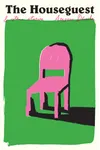
- The Houseguest and Other Stories (2018): This is the definitive starting point. It compiles twelve of Dávila's most iconic stories, selected from her early collections. Notable stories here include the title story "The Houseguest" (about a menacing, unnamed visitor disrupting a household) and "Haute Cuisine" (a brief, terrifying look at the preparation of mysterious, screaming creatures for dinner). Other essential tracks include "Moses and Gaspar", "The Cell", and "Tina Reyes".
- Behind the Gate (Forthcoming: October 13, 2026): This upcoming collection, also translated by Audrey Harris and Matthew Gleeson, offers a new selection of Dávila’s most gothic, eerie, and unsettling tales. It is the perfect next step to dive deeper into her surrealist style.
- A Very Mexican Christmas (2022): For a festive but atmospheric detour, this holiday anthology from New Vessel Press includes a piece by Dávila alongside other famous Mexican writers like Carlos Fuentes, Laura Esquivel, and Sandra Cisneros. It provides a unique, seasonally themed look at her work within the broader context of Mexican literature.
The Recommended Path for Spanish Readers
For bilingual readers or those looking to read Dávila in her original language, her work is best approached by her original publication order. This allows you to trace her evolution from poetry and early psychological suspense to her award-winning masterpieces and late-career reflections. You can find these individual collections or read them compiled in her definitive Cuentos reunidos (Collected Stories):
- Tiempo destrozado (1959): Dávila's debut short story collection established her signature style of blending domestic spaces with inexplicable, creeping dread. It contains early classics like "La celda" (The Cell) and "El huésped" (The Houseguest).
- Música concreta (1961/1964): Her second collection focuses heavily on paranoia, obsession, and the thin boundary between sanity and madness. It features the title story "Música concreta" and the chilling "Detrás de la reja" (Behind the Gate). Note that sources vary on the exact publication year, with some listing 1961 and others 1964.
- Árboles petrificados (1977): Widely considered her masterpiece, this collection won the prestigious Xavier Villaurrutia Award. It showcases claustrophobic atmospheres and explores the deep emotional and psychological struggles of women trapped by societal expectations.
- Con los ojos abiertos (2008): Dávila’s final collection was first published as part of her Cuentos reunidos. These stories showcase a shift in tone, dealing with aging, female autonomy, and personal liberation rather than focusing strictly on madness and death.
What to Know Before You Start
Amparo Dávila’s stories are highly atmospheric and character-driven. Before you begin, keep these elements in mind to fully appreciate her writing:
- Atmosphere Over Answers: Dávila rarely explains the origins of her monsters or the supernatural occurrences in her stories. The horror is psychological, designed to make you question the protagonist's sanity. If you enjoy authors like Shirley Jackson, Franz Kafka, Leonora Carrington, and Julio Cortázar, you will feel right at home.
- Subtle Social Critique: Writing in mid-20th-century Mexico, Dávila used gothic tropes to critique rigid gender roles and domestic expectations. Many of her female protagonists suffer from isolation, domestic captivity, and a lack of agency, which manifests as literal or psychological hauntings.
- Standalone Nature: Every story is a self-contained universe. You do not need to read the stories inside a collection in any particular order, though reading them in publication sequence highlights her growth as an artist.