












Where to Start Reading Andrea Cremer
For the absolute best reading experience, you should begin with Nightshade (2010), the novel that launched Andrea Cremer onto the bestseller lists. Starting here introduces you directly to Calla Tor, the rules of the Keepers, and the complex mythology of the Guardian packs. While the Rift prequel duology takes place centuries earlier, reading it first will spoil key mysteries and world-building reveals that make the original trilogy so captivating. Starting with the original trilogy ensures the lore unfolds exactly as the author intended.
The Nightshade Universe: YA Paranormal Romance & Beyond
The Nightshade universe is a vast, interconnected world populated by shapeshifting Guardians (werewolves), magic-wielding Keepers, and the rebellious Searchers. Cremer has expanded this world across a main trilogy, a prequel duology, several key novellas, a sequel, and even an adult spin-off. To help you make sense of this sprawling magical world, we have broken the books down into their distinct subseries and chronological placements.
The Original Nightshade Trilogy (Calla Tor's Story)
This is the core story of the series, focusing on Calla Tor, a fierce alpha female wolf who is destined to mate with another alpha to merge their packs. Her world is turned upside down when she saves a human boy, Shay, leading to forbidden feelings and questions about the masters she has sworn to serve.
- Nightshade (2010): The debut book introducing Calla, her pack, and her forbidden romance with Shay.
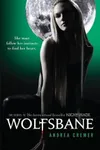
- Wolfsbane (2011): The second book, which picks up immediately after the explosive climax of the first, exploring the deeper, darker history of the war between Keepers and Searchers.
- Bloodrose (2012): The final book of Calla's trilogy, featuring a high-stakes battle for survival and freedom.
The Prequel Duology (The Origins of the Keepers)
Set in the 15th century (specifically the 1400s), this duology details the origins of the elemental conflict, the rise of the Keepers, and how the Guardians first came to be bound to their human masters. It follows Ember Morrow, a young woman who enters a world of dark magic and secrets.
- Rift (2012): The first prequel novel, establishing the ancient origins of the Nightshade universe.
- Stolen Souls (2013): A companion novella (Book 1.5) that bridges the gap between the two prequels.
- Rise (2013): The dramatic conclusion to the prequel duology.
Nightshade World Sequels and Novellas
Cremer has written several novellas that bridge major events or explore side characters, as well as a direct sequel novel focusing on a new protagonist.
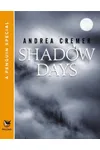
- Shadow Days (2012): A prequel novella (Book 0.5) that provides crucial backstory on Calla's early life and her relationship with Logan.
- Treachery (2011): A companion novella (Book 2.5) that highlights Calla's brother, Ansel, and pack dynamics during the main events of the trilogy.
- Aftermath (2012): A bridge novella (Book 3.5) that explores the immediate fallout of the events in Bloodrose and sets up the next full-length book.
- Snakeroot (2013): The official sequel novel (Book 4), which shifts the perspective to Ansel Tor as he attempts to navigate a world forever changed by the events of the original trilogy.
The Forbidden Side of Nightshade (Adult Spin-Off)
Writing under the pen name A.D. Robertson, Cremer explored a darker, more sensual side of the Nightshade universe designed specifically for adult readers.
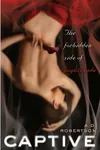
- Captive (2013): The first book in this adult paranormal romance series, focusing on a Keeper named Tristan Doran and a human Searcher named Sarah who is imprisoned in his Irish castle. It features elements of prophecy, forbidden romance, and dark magic. While it expands on the lore of the main series, it can be read independently.
Publication Order vs. Chronological Order
Because the prequels are set hundreds of years in the past, and the novellas slot between main volumes, readers are often torn on how to approach the series. Below are the two recommended pathways.
The Publication Order (Highly Recommended)
Reading in publication order allows the mythology of the Keepers to build naturally. It prevents spoilers regarding the history of the world and maintains the mystery surrounding Calla's decisions.
- Nightshade (2010)
- Wolfsbane (2011)
- Treachery (2011) (Novella)
- Bloodrose (2012)
- Aftermath (2012) (Novella)
- Shadow Days (2012) (Prequel Novella)
- Rift (2012) (Prequel Duology 1)
- Stolen Souls (2013) (Prequel Novella 1.5)
- Rise (2013) (Prequel Duology 2)
- Snakeroot (2013)
- Captive (2013) (As A.D. Robertson)
The Chronological Order
If you are planning a reread or want to experience the events of the universe strictly as they happened in time, follow this order. Be warned that the prequel series will spoil the magical lore and mystery set up in the main trilogy.
- Rift (2012)
- Stolen Souls (2013)
- Rise (2013)
- Shadow Days (2012)
- Nightshade (2010)
- Wolfsbane (2011)
- Treachery (2011)
- Bloodrose (2012)
- Aftermath (2012)
- Snakeroot (2013)
- Captive (2013)
The Inventor's Secret: Steampunk Alternate History
For readers looking for something outside of werewolf romance, Cremer's Inventor's Secret trilogy is a fast-paced young adult steampunk adventure. The story is set in an alternate 19th-century America where the Revolutionary War was lost, and the British Empire rules with massive coal-powered machines. It follows Charlotte, a young refugee living in the wildlands, who uncovers a revolutionary secret when she rescues a boy with no memory. This trilogy is completely separate from the Nightshade universe and should be read in publication order:
- The Inventor's Secret (2014)
- The Conjurer's Riddle (2015)
- The Turncoat's Gambit (2016)
Standalones and Anthologies
In addition to her main series, Cremer has written a standalone novel and edited/contributed to historical fantasy anthologies.
- Invisibility (2013): A contemporary magical realism novel co-authored with David Levithan. It tells the story of Stephen, a boy born invisible due to a curse, and Elizabeth, the only person who can see him.
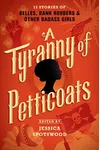
- A Tyranny of Petticoats (2016): An anthology edited by Cremer, featuring historical fiction and fantasy stories written by various YA authors, highlighting diverse heroines throughout American history.
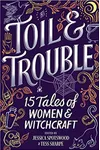
- Toil & Trouble (2018): A co-edited YA anthology (with Jessica Spotswood) containing stories about witchcraft, magical women, and feminist themes.