





Where to Start Reading Angela Thirkell
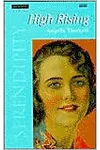
For the absolute best experience, readers should start with High Rising (1933). This delightful novel is the first in Thirkell’s famous Barsetshire series and serves as the perfect entry point. It introduces Laura Morland, a hardworking widow who writes pulp fiction to support her youngest son, Tony, and the eccentric novelist George Knox. Starting here establishes the witty tone, social structure, and geographic boundaries of the county.
If you cannot find a copy of High Rising, the other recommended starting points are Pomfret Towers (1938) or The Brandons (1939). Both novels represent Thirkell at the height of her pre-war comedic powers. Pomfret Towers introduces the shy Alice Barton and the formidable Lord Pomfret, while The Brandons features the charmingly vague Mrs. Brandon. Both can be enjoyed as standalones, but starting with them will make you want to go back and read the earlier books to see how the web of relationships began.
The Barsetshire Chronicles: Publication Order
The Barsetshire series consists of 29 novels published over three decades. While the books feature self-contained romantic plots and domestic comedies, they progress in real time. Reading them in publication order is highly recommended because characters grow up, marry, have children, and age across the decades. Reading out of sequence will spoil major character developments and family milestones.
- High Rising (1933)
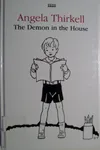
- The Demon in the House (1934)
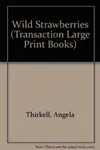
- Wild Strawberries (1934)
- August Folly (1936)
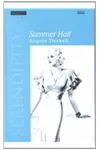
- Summer Half (1937)
- Pomfret Towers (1938)
- Before Lunch (1939)
- The Brandons (1939)
- Cheerfulness Breaks In (1940)
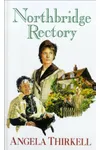
- Northbridge Rectory (1941)
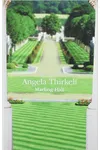
- Marling Hall (1942)
- Growing Up (1943)
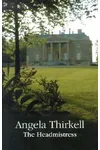
- The Headmistress (1944)
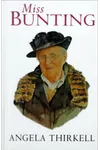
- Miss Bunting (1945)
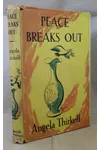
- Peace Breaks Out (1946)
- Private Enterprise (1947)
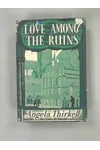
- Love Among the Ruins (1948)
- The Old Bank House (1949)
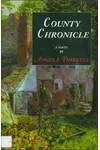
- County Chronicle (1950)
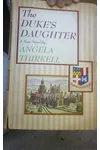
- The Dukes Daughter (1951)
- Happy Return (1952)
- Jutland Cottage (1953)
- What Did it Mean? (1954)
- Enter Sir Robert (1955)
- Never Too Late (1956)
- A Double Affair (1957)
- Close Quarters (1958)
- Love at All Ages (1959)
- Three Score and Ten (1961)
Posthumous Collections and Side Stories
- Christmas at High Rising (2013): This is not a novel, but a posthumously compiled collection of eight short stories and essays originally published in magazines during the 1930s and 1940s. Some stories feature Barsetshire characters, such as Laura Morland and George Knox, making it a lovely companion piece to read after you have finished the first few novels in the main sequence.
Understanding the Barsetshire Eras
The Barsetshire chronicles are deeply tied to the history of mid-20th-century Britain. Understanding the three distinct eras of the series can help readers navigate the shifting tones of the novels:
The Golden Pre-War Years (1933–1939)
From High Rising through The Brandons, these books present a sunny, idyllic, and deeply satirical view of English country life. The plots revolve around village pageants, amateur theatricals, minor romantic misunderstandings, and the mild eccentricities of the upper-middle class and local aristocracy.
The Wartime Home Front (1940–1945)
Beginning with Cheerfulness Breaks In and ending with Miss Bunting, the series shifts to document the daily realities of World War II on the home front. Thirkell masterfully balances her signature humor with the grim realities of rationing, blackouts, the arrival of London evacuees, billeted soldiers, and the quiet grief of wartime losses. These books serve as invaluable social histories of the period.
The Post-War Transition (1946–1961)
From Peace Breaks Out to the final novel, the series captures the social and political changes of post-war Britain. Thirkell used her sharp wit to lament the decline of the traditional gentry, the rise of the welfare state, heavy taxation, and domestic service shortages. While the tone in some of these later works can skew slightly conservative and nostalgic, they remain filled with her trademark sharp dialogue and recurring characters.
Chronological Caveats & Co-Authorship
Because the Barsetshire universe is so vast, keeping track of the character web is the biggest challenge for new readers. Families like the Leslies, the Brandons, the Bartons, and the Pomfrets cross paths constantly. A minor character introduced in a brief scene in one novel might become the romantic lead three books later. Reading out of order means you will meet characters who are married before you read the book detailing their courtship.
The final novel, Three Score and Ten (1961), carries a unique co-authorship note. Angela Thirkell passed away in January 1961, leaving the manuscript unfinished. She had completed only the first five chapters. Her close friend, the prominent film critic and journalist C. A. Lejeune, stepped in to finish the book based on their frequent discussions of the characters. The novel ends fittingly with a 70th birthday celebration for Mrs. Morland, bringing the entire 29-book saga to a warm conclusion.
The Standalone Novels
Before and during her early Barsetshire success, Thirkell wrote several standalone novels that do not take place in the county:
- Ankle Deep (1933): A semi-autobiographical romance novel that marked her debut in fiction writing.
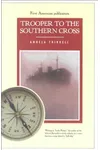
- Trooper to the Southern Cross (1934): Published under the male pseudonym Leslie Parker, this is a fictionalized, satirical account of Thirkell’s own post-WWI journey back from Australia on a chaotic troopship. It is told from the perspective of an Australian army doctor.
- The Grateful Sparrow (1935): A collection of translated and retold German fairy tales.
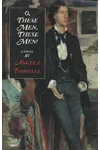
- O, These Men, These Men! (1935): A more serious, emotional look at a woman recovering from a painful divorce, drawing heavily on Thirkell’s own life experiences.
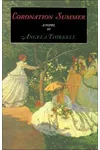
- Coronation Summer (1937): A historical novel set during the coronation of Queen Victoria in 1838, following the adventures of a group of friends visiting London for the event.
Angela Thirkell's Non-Fiction
For readers who want to understand the woman behind the stories, Thirkell wrote two notable non-fiction books:
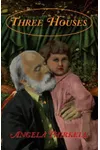
- Three Houses (1931): A nostalgic childhood memoir reflecting on her upbringing in Kensington, her grandfather (the Pre-Raphaelite painter Edward Burne-Jones), and her family connections, which included her cousins Rudyard Kipling and Stanley Baldwin.
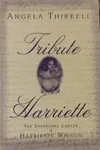
- Tribute for Harriette (1936): A biography of the famous Regency courtesan Harriette Wilson.
Practical Reader Advice
Don't try to binge-read the entire Barsetshire series all at once. Because the novels rely on similar tropes, character archetypes, and conversational rhythms, reading them back-to-back can cause them to blend together. Instead, treat them as "palate cleansers" to read between heavier books. The Angela Thirkell Society is an excellent resource for finding detailed character indexes and genealogical trees to help you keep track of who is related to whom as the generations progress.