

Where to Start Reading Anita Desai
Because Anita Desai writes standalone novels and collections rather than interconnected series, you do not need to follow a strict chronological sequence. You can dive in wherever you like, but some entry points are better suited for introducing her lyrical style, sharp social observations, and focus on psychological depth. We recommend starting with one of these three highly acclaimed gateway books:
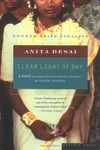
- Clear Light of Day (1980): Widely considered Desai's masterpiece and her most autobiographical work. Set in Old Delhi, it follows two sisters, Bim and Tara, as they navigate family tensions, personal history, and the trauma of the 1947 Partition of India. It was shortlisted for the Booker Prize.
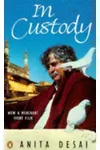
- In Custody (1984): A brilliant option if you prefer stories with dry humor and cultural satire. It centers on Deven, a small-town college lecturer, who is tasked with interviewing an aging, mercurial Urdu poet whom he idolizes. The book deals with the slow decay of the Urdu language and was adapted into an acclaimed Merchant Ivory film.
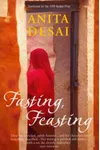
- Fasting, Feasting (1999): Desai's third Booker-shortlisted novel. It offers a comparative look at family expectations and gender roles by dividing its narrative between Uma, a stifled daughter living in India, and her brother Arun, who experiences a different form of alienation while studying in Massachusetts.
Publication Order of Standalone Novels
Reading Desai in publication order allows you to observe her growth from early, deeply introspective psychological portraits to broader global themes of cultural displacement and migration. Here is the chronological sequence of her standalone novels:
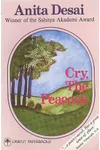
- Cry, the Peacock (1963): Desai's debut novel, exploring the inner psychological collapse of Maya, a young Indian woman trapped in an unfulfilled marriage to a pragmatic lawyer.
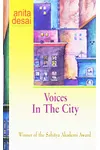
- Voices in the City (1965): Set in Calcutta, this book follows three siblings struggling to find identity and purpose in a chaotic, indifferent metropolis.
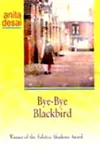
- Bye Bye Blackbird (1968): An early exploration of the immigrant experience, focusing on Indian immigrants living in London and their struggles with cultural identity.
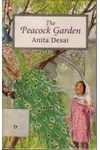
- The Peacock Garden (1974): A children's historical fiction novel set during the Partition of India, centered on a young Muslim girl who finds solace in a mosque's garden.
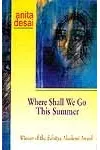
- Where Shall We Go This Summer? (1975): Follows Sita, a pregnant mother of four who flees her mundane life in Bombay for a remote island, seeking magic and escape.
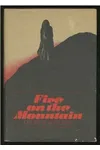
- Fire on the Mountain (1977): Winner of the Sahitya Akademi Award, this quiet, atmospheric novel deals with an elderly woman living in seclusion in the Himalayan foothills whose solitude is disrupted by her great-granddaughter.
- Clear Light of Day (1980): The landmark novel exploring sibling relationships, memory, and the lasting legacy of Partition in a changing Delhi.
- The Village by the Sea (1982): A realistic young-adult novel set in the Western Indian coastal village of Thul, tracking two siblings struggling to care for their family. It won the Guardian Children's Fiction Prize.
- In Custody (1984): A tragicomic look at literary obsession, language, and disillusionment.
- Baumgartner's Bombay (1988): A poignant novel following Hugo Baumgartner, a German Jewish refugee who escapes the Holocaust only to spend decades living as a perpetual outsider in Calcutta and Bombay.
- Journey to Ithaca (1995): Follows a young Italian couple who travel to India in the 1970s in search of spiritual enlightenment, exploring the clash between Western materialism and Eastern mysticism.
- Fasting, Feasting (1999): A dual-narrative domestic drama contrasting the claustrophobia of Indian middle-class family life with the alienation of suburban America.
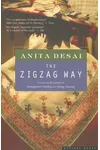
- The Zigzag Way (2004): A departure in setting, this novel follows a young American writer who travels to Mexico and uncovers his family's historical connection to Cornish miners in the region.
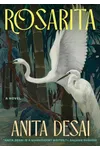
- Rosarita (2024): A haunting novella centered on a young Indian woman studying in Mexico who is approached by a stranger claiming to have known her mother as an artist years prior.
Short Story Collections and Other Works
In addition to her novels, Desai has published several collections of short stories and novellas. These are excellent for readers who want to sample her writing in shorter formats:
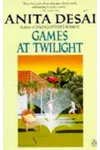
- Games at Twilight (1978): Her first major collection, containing the classic title story about a children's game of hide-and-seek that turns into a poignant lesson on childhood invisibility and isolation.
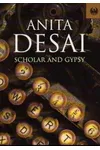
- Scholar and Gypsy (1996): A selection of stories focusing on cultural contrasts and travelers.
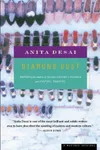
- Diamond Dust: Stories (2000): A collection of tales set in India, the US, and England, capturing the quiet struggles and eccentricities of ordinary characters.
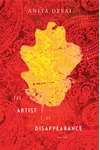
- The Artist of Disappearance (2011): A book comprising three exquisite novellas exploring art, isolation, and characters who choose to withdraw from modern society.
- Collected Stories (2008) & The Complete Stories (2017): Comprehensive anthologies collecting her short fiction across several decades.
What to Know Before You Start
Anita Desai's writing is highly atmospheric and character-driven. If you prefer fast-paced, plot-heavy thrillers, her books may require a shift in reading pace. Her strength lies in the internal lives of her characters, their feelings of alienation, and the subtle friction between generations or cultures. She frequently explores the tension between individual desires and societal or familial expectations. Her prose is highly poetic, drawing heavily on sensory details, setting, and metaphor to mirror the emotional landscapes of her protagonists.