




Where to Start with Anne Maybury
For readers looking to dive into the rich world of classic mid-century gothic romance and romantic suspense, Anne Maybury (the most famous pen name of Edith Arundel Buxton) offers a treasure trove of atmospheric tales. Because all of her novels are written as standalones, you can pick up almost any book without worrying about missing crucial backstory. However, to experience Maybury at the height of her powers, we recommend starting with one of these celebrated entry points:
- The Terracotta Palace (1971): Set against the backdrop of Rome and the ancient Malimbrosa family estate, this novel follows Juliet Holdroyd as she tries to find a childhood friend and untangle a web of secrets. It is highly regarded for its vivid Italian setting and slow-burn romantic tension.
- The Midnight Dancers (1973): A quintessential "millefleur gothic" that takes readers to a remote, exotic villa bordering the Sahara Desert. The story features classic genre tropes—including a warning note delivered in a silver box, a stolen diary, and a dangerous rock slide—as a young wife fights to escape a looming threat.
- The Minerva Stone (1968): Set in a drafty, ancient castle estate called Guinever Court in Dorset, England, this gothic mystery follows a woman trapped in a loveless marriage who finds herself the target of mysterious, life-threatening attacks after a former lover returns.
Decoding the Pseudonyms: Anne Maybury vs. Katherine Troy
Navigating the bibliography of Edith Arundel Buxton requires understanding her distinct publishing eras and pen names. She wrote over 80 novels across her long career, using three primary names:
- Edith Arundel: Used primarily in the early part of her career (from the late 1930s through the 1950s) for traditional romance novels.
- Katherine Troy: Used in the 1960s and early 1970s for gothic romance and suspense novels published in the United Kingdom.
- Anne Maybury: Her most famous pseudonym, under which she achieved international success, particularly in the United States.
The Republication Caveat: In the 1960s and 1970s, American paperback publishers (such as Ace Books and Fawcett Crest) frequently reprinted her Katherine Troy novels under the name Anne Maybury to capitalize on her growing popularity. For instance, books like The House of Fand, Roseheath, and Farramonde were originally published under the Katherine Troy name but are widely found in vintage paperbacks attributed to Anne Maybury. Keep this in mind when collecting physical editions, as you may accidentally purchase the same story under different author names or altered titles.
What to Know Before You Start
Maybury’s writing is often described as "millefleur gothic" due to her lush, sensory descriptions of settings and intense focus on the psychological states of her heroines. While writers like Mary Stewart leaned heavily into outdoor adventure and travelogue elements, Maybury specialized in the domestic and psychological claustrophobia of gothic romance. Her novels frequently place a young, vulnerable woman in an unfamiliar, luxurious, yet deeply threatening location—be it a Scottish isle, a Greek island, a Roman estate, or a North African villa—where she must determine whom she can trust.
As her career progressed into the late 1970s, her style shifted slightly. Her 1979 novel, Radiance, moved away from traditional gothic suspense and instead explored family drama and intrigue set within a glamorous cosmetics empire. Her final published works, such as Invitation to Alannah (1983), returned to her signature atmospheric style, proving her enduring dedication to the genre.
Anne Maybury Books in Publication Order
While chronology does not affect the plots, reading Maybury’s work in order of publication allows you to witness her evolution from standard romantic fiction into a premier voice of gothic suspense. Below is the list of her key standalone novels as cataloged in historical databases, including indicators for titles originally published under her Katherine Troy pen name:
- The Stars Grow Pale (1937)
- Journey Into Morning (1945)
- The Young Invader (1947)
- The Sharon Woman (1950)
- First, the Dream (1951)
- Goodbye, My Love (1952)
- The Music of Our House (1952)
- The Secret of the Rose (1952)
- The Winds of Spring (1953)
- Her Name Was Eve (1953)
- Prelude to Louise (1954)
- The Heart Is Never Fair (1954)
- Forbidden (1956)
- The Valley of Roses (1956)
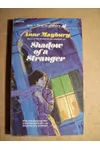
- Shadow of a Stranger (1960)
- Bridge to the Moon (1960)
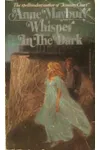
- Whisper in the Dark (1961) — Originally published as Katherine Troy
- Stay Until Tomorrow (1961)
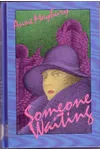
- Someone Waiting (1961) — Originally published as Katherine Troy
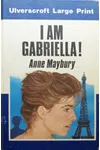
- I Am Gabriella! (1962)
- The Night My Enemy (1962)
- Green Fire (1963)
- The Winds of Night / Enchanter's Nightshade (1963) — Originally published as Katherine Troy
- The Brides of Bellenmore / My Dearest Elizabeth (1964) — Also published simply as My Dearest Elizabeth
- Falcon's Shadow (1964) — Originally published as Katherine Troy
- The Pavilion at Monkshood (1965)
- Jessica (1965)
- The House of Fand (1966) — Originally published as Katherine Troy
- The Moonlit Door (1967)
- Night of the Enchantress (1967) — Originally published as Katherine Troy
- Farramonde (1968) — Originally published as Katherine Troy
- The Minerva Stone (1968)
- Roseheath (1969) — Originally published as Katherine Troy
- Storm Over Roseheath (1970) — Originally published as Katherine Troy
- Ride a White Dolphin (1971)
- The Terracotta Palace (1971)
- Walk in the Paradise Garden (1973) — Set on a Greek island; sometimes noted in later prints as 1972 or 1983
- The Midnight Dancers (1973)
- Jessamy Court (1974)
- The Jeweled Daughter (1976)
- Dark Star (1977)
- Radiance (1979)
- Invitation to Alannah (1983)