
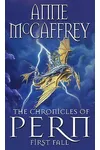


Where to Start Your Journey into Pern
If you are standing at the threshold of the planet Pern for the very first time, the sheer number of books can feel overwhelming. Fortunately, there is a clear consensus on the best entry points. Anne McCaffrey herself consistently recommended that readers experience the series in publication order. Doing so allows you to discover the world, its mysteries, and its deep history exactly as the author developed and revealed them over several decades.
For the best experience, you have two ideal starting points depending on your personal taste:
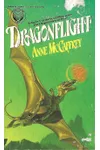
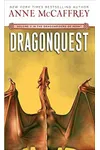
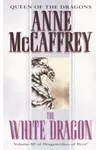
- The Classic Route (Dragonflight): Start with the original trilogy: Dragonflight (1968), followed by Dragonquest (1971) and The White Dragon (1978). This sequence introduces the core concepts of Pern, the threat of the deadly spore called Thread, and the telepathic bond between the dragonriders and their mounts.
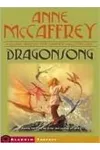
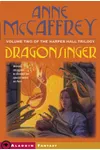
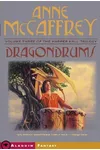
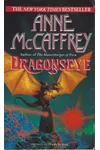
- The Lyrical Route (Dragonsong): Start with the YA-focused Harper Hall Trilogy: Dragonsong (1976), Dragonsinger (1977), and Dragondrums (1979). Following Menolly, a young woman who defies society to become a musician, this trilogy is highly accessible, emotionally resonant, and runs parallel to the events of the original trilogy.
Publication Order vs. Chronological Order
Pern can be read either by the order in which the books were published or in the order of the timeline of the planet itself. Here is why your choice matters:
The Publication Order Approach (Recommended)
Following publication order preserves the mystery of Pern. The early books read like science fantasy, where dragons are treated almost as magical creatures and the past is shrouded in legend. As McCaffrey wrote later novels, she pulled back the curtain to reveal the hard sci-fi foundation of the universe. Following this sequence prevents major spoilers and preserves the deliberate pacing of these revelations.
The Chronological Order Approach
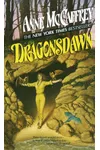
Reading chronologically begins with Dragonsdawn (1988), which depicts the original space colonization of Pern and how humans genetically engineered dragons to combat Thread. While fascinating for returning fans, starting here changes the entire flavor of the series into immediate science fiction and removes the sense of wonder and discovery that made Dragonflight a masterpiece.
The Multi-Generational Legacy and Co-Authorships
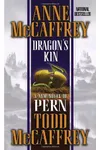
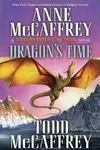
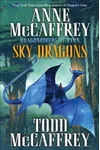
As the Pern universe grew, McCaffrey began collaborating with other authors to flesh out different eras of the planet's history. Most notably, she co-authored the New Adventures of Pern series with her son, Todd McCaffrey, beginning with Dragon's Kin in 2003. Todd eventually took over the solo writing duties for several books, and later, Anne's daughter, Gigi McCaffrey, contributed to the lore with Dragon's Code in 2018. While these additions offer fantastic world-building details, they are best read after you have finished the main works written solely by Anne McCaffrey.
Beyond Pern: The Brainship Series
If you want a change of scenery from dragons, McCaffrey's Brainship (or Brain and Brawn Ship) series is a brilliant blend of space opera and human drama. The series centers on "brainships"—starships controlled by the brains of physically disabled children who have chosen shell-housing to explore the stars alongside a human partner (the "brawn").
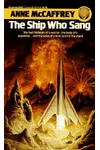
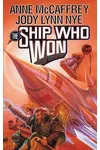
You should start this series with the classic solo novel The Ship Who Sang (1969). The subsequent books were co-authored with notable science fiction writers, including Mercedes Lackey (The Ship Who Searched), Margaret Ball (PartnerShip), and Jody Lynn Nye (The Ship Who Won). They expand on the social, political, and personal implications of this unique cyborg coexistence.
The Talents Universe
Another major pillar of McCaffrey's bibliography is the Talents Universe, which explores telepathy, telekinesis, and the societal integration of psychic individuals. This universe is divided into two major eras:
- The Pegasus Trilogy: Beginning with To Ride Pegasus (1973), this trilogy chronicles the early days of psychic abilities on Earth, detailing how these gifted individuals organize and fight for acceptance.
- The Tower and the Hive Series: Set in the distant future, this series starting with The Rowan (1990) follows a powerful dynasty of "Primes" who use their massive psychic powers to facilitate interstellar communication and transport, eventually defending humanity against an alien threat.
The transition between these two eras is bridged by the third Pegasus book, Pegasus in Space (2000), which establishes the origins of the space-teleportation Towers.
The Acorna Series
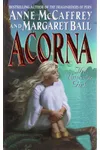
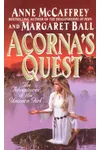
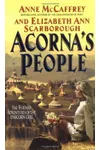
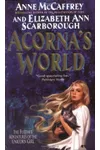
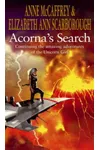
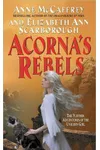
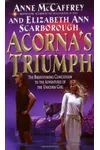
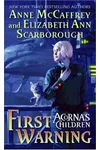
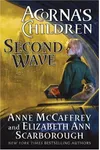
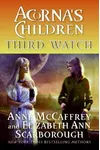
Co-authored with Margaret Ball and Elizabeth Ann Scarborough, the Acorna series follows a unicorn-like alien girl found floating in a survival pod in space. Armed with healing powers and a pure heart, Acorna travels the galaxy fighting corporate greed and saving planetary populations. Start with Acorna: The Unicorn Girl (1997) and follow the publication sequence through to the spin-off series, Acorna's Children.
What to Know Before You Start
Before diving into McCaffrey's worlds, keep in mind that her works sit at a unique intersection of genres. While Pern features dragons and feudal societies, it is technically science fiction—the dragons are genetically engineered, and the setting is a colonized alien planet. Her writing is characterized by strong female protagonists, deep emotional bonds, and themes of community resilience, making her books feel warm, human, and enduringly optimistic.