

Where to Start with Annie Haynes
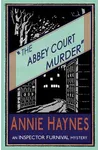
For readers looking to dive into the work of Annie Haynes, a pioneering yet long-overlooked voice of the Golden Age of detective fiction, there are two primary entry points depending on your preferences. If you prefer series-based investigations with a recurring detective, start with The Abbey Court Murder (1923), which introduces her first Scotland Yard detective, Inspector Furnival. If you prefer a standalone introduction to her style, her debut novel, The Bungalow Mystery (1923), is the ideal choice. Both books beautifully demonstrate her signature blend of late-Victorian sensation drama with the structured, logical deduction of 1920s puzzle mysteries.
The Inspector Furnival Mysteries
Inspector Furnival of Scotland Yard is a traditional, methodical investigator who handles complex cases involving high society scandals and dramatic secrets. The series consists of three books and is best read in order of publication to follow Furnival's development, although the individual mystery plots are self-contained:
- The Abbey Court Murder (1923) – The debut case where Inspector Furnival is called to solve a high-society murder involving a secret flat, a mysterious lady, and blackmail.
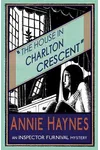
- The House in Charlton Crescent (1926) – A locked-room style murder mystery where a wealthy woman is killed in her own home despite strict surveillance, forcing Furnival to untangle a web of family secrets.
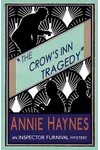
- The Crow's Inn Tragedy (1927) – Furnival investigates a brutal stabbing at a legal establishment in London, dealing with multiple suspects who all have strong motives and alibis.
The Inspector Stoddart Mysteries
In 1928, Haynes transitioned to a new detective, the sharp-witted Inspector Stoddart. This series leans closer to the classic puzzle-plot style popularized during the height of the Golden Age. The series should be read in publication order, especially since the final book has a unique history:
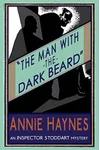
- The Man with the Dark Beard (1928) – Stoddart investigates the murder of a wealthy man whose death appears tied to a mysterious stranger seen lurking near the estate.
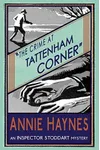
- The Crime at Tattenham Corner (1929) – Set against the backdrop of the famous Derby Day horse race, Stoddart must solve the murder of a man found dead near the racetrack.
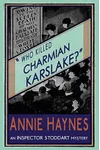
- Who Killed Charmian Karslake? (1929) – A glamorous American actress is found murdered at a country manor house, leading to an investigation filled with red herrings.
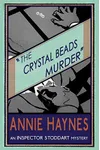
- The Crystal Beads Murder (1930) – Published posthumously, this final mystery revolves around a string of beads left at a crime scene. Because Haynes died before finishing it, the book was completed by an anonymous fellow writer.
The Standalone Novels
Haynes also wrote five standalone crime novels. These books often highlight female protagonists navigating dangerous situations, showcasing her connections to early 20th-century feminist circles:
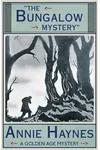
- The Bungalow Mystery (1923) – Her debut novel, featuring a murdered artist, a missing woman, and a suspenseful trial.
- The Secret of Greylands (1924) – A gothic-tinged mystery focusing on family inheritance, secrets, and a sinister estate.
- The Blue Diamond (1925) – A thrilling hunt for a stolen gemstone that leads to blackmail and murder.
- The Witness on the Roof (1925) – A suspenseful whodunit involving an eyewitness who saw a crime committed from a rooftop view.
- The Master of the Priory (1927) – A dark mystery involving family secrets, domestic drama, and an unexpected death.
Chronological Publication Order
If you wish to read all of Annie Haynes’s novels in the exact order they were released, follow this timeline:
- The Bungalow Mystery (1923) – Standalone
- The Abbey Court Murder (1923) – Inspector Furnival #1
- The Secret of Greylands (1924) – Standalone
- The Blue Diamond (1925) – Standalone
- The Witness on the Roof (1925) – Standalone
- The House in Charlton Crescent (1926) – Inspector Furnival #2
- The Crow's Inn Tragedy (1927) – Inspector Furnival #3
- The Master of the Priory (1927) – Standalone
- The Man with the Dark Beard (1928) – Inspector Stoddart #1
- The Crime at Tattenham Corner (1929) – Inspector Stoddart #2
- Who Killed Charmian Karslake? (1929) – Inspector Stoddart #3
- The Crystal Beads Murder (1930) – Inspector Stoddart #4 (Posthumous)
What to Know Before You Start
Before diving into Haynes's bibliography, readers should know that her work represents a transition era. Unlike the bloodless puzzle-plots of some of her contemporaries, Haynes's stories carry strong emotional stakes, domestic tension, and dramatic twists reminiscent of Victorian sensation novels. Her realism was fueled by her personal interest in criminology; she frequently visited real-life crime scenes, such as the Caroline Luard case of 1908, and attended high-profile trials like that of Dr. Crippen to capture realistic details. Decades after going out of print, her entire bibliography was successfully revived and reissued by Dean Street Press, making her work easily accessible to modern readers.