


Where to Start Reading Anthony Bourdain
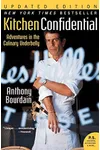
If you are new to Anthony Bourdain, there is only one correct starting point: Kitchen Confidential: Adventures in the Culinary Underbelly (2000). This groundbreaking memoir transformed the culinary world, shattered the romanticized myth of the professional chef, and introduced the world to Bourdain's raw, unfiltered, and deeply empathetic voice. It acts as the anchor for everything else he wrote and provides the vital context needed to appreciate his later travelogues, fiction, and cookbooks.
For readers who want to follow his journey step-by-step, his works are best divided into thematic paths: his legendary culinary non-fiction, his early crime novels, his graphic novels, and his cookbooks.
The Culinary Memoirs and Travel Non-Fiction
Bourdain's non-fiction works are highly conversational and chronicle his evolution from a cynical, hard-working New York chef to a global cultural ambassador. To experience the narrative arc of his life and career, read these in publication order:
- Kitchen Confidential: Adventures in the Culinary Underbelly (2000) – The book that started it all, detailing the drug-fueled, high-stress reality of New York kitchens in the 1970s, 80s, and 90s.
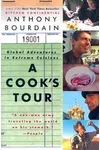
- A Cook's Tour: Global Adventures in Extreme Cuisines (2001) – The companion book to his first television series, capturing Bourdain's initial, eye-opening experiences eating his way across the globe.
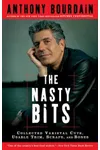
- The Nasty Bits: Collected Varietal Cuts, Usable Trim, Scraps, and Bones (2007) – A diverse collection of essays, articles, and diary entries exploring food, travel, and the restaurant industry (published in some regions in 2006).
- No Reservations: Around the World on an Empty Stomach (2007) – An illustrated companion piece to his hit Travel Channel show, offering behind-the-scenes stories, photos, and travel wisdom.
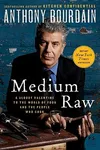
- Medium Raw: A Bloody Valentine to the World of Food and the People Who Cook (2010) – The official sequel to Kitchen Confidential. Here, a older, wiser, and more sober Bourdain reflects on his unexpected fame, the changing food industry, and his own personal growth.
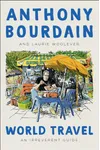
- World Travel: An Irreverent Guide (2021) – A posthumous travel guide compiled and completed by his long-time assistant and co-author, Laurie Woolever, capturing his favorite places to eat and stay around the world.
The Crime Fiction Novels
Long before he became a household name for his memoirs, Bourdain was a passionate writer of crime fiction. Heavily inspired by classic noir and the gritty streets of New York, these novels are fast-paced, satirical, and filled with mobsters, chefs, and dark comedy. Since they are standalone stories, they can be read in any order, though reading them in publication order shows the development of his distinctive narrative style:
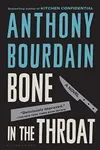
- Bone in the Throat (1995) – Bourdain's debut novel, centering on a young chef working in a Manhattan restaurant controlled by the mob, who inadvertently witnesses a murder.
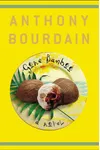
- Gone Bamboo (1997) – A tropical noir set in the Caribbean, following a retired CIA assassin and his wife as they get mixed up in a chaotic mob hit.
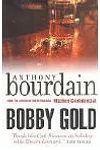
- The Bobby Gold Stories (2002) – Also published simply as Bobby Gold, this book functions as a crime novel told through interconnected vignettes. The story follows a lovable mob enforcer who returns to New York to manage security in the nightclub and restaurant industry.
The Graphic Novels (Comics)
Bourdain was an avid comic book fan and co-wrote two distinct graphic novel series. His comic book work blends dystopian satire, culinary passion, and Japanese folklore.
The Get Jiro! Series
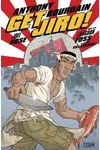
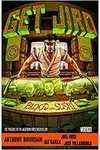
Set in a dystopian, near-future Los Angeles where master chefs rule the city like mob bosses and foodies fight in the streets, this series features two books. You can read them in either order:
- Publication Order: Start with Get Jiro! (2012) to experience the satirical world-building first, followed by the prequel Get Jiro: Blood and Sushi (2015).
- Chronological Order: Start with Get Jiro: Blood and Sushi (2015), which acts as Jiro's origin story in Japan, explaining his Yakuza roots and training before he moves to America, then read Get Jiro! (2012).
Hungry Ghosts
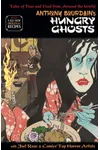
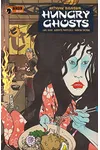
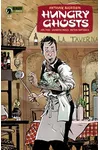
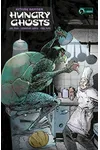
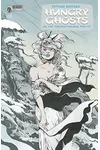
Published in 2018, Anthony Bourdain's Hungry Ghosts is a horror-anthology comic book series co-written with Joel Rose. Initially released as four individual issues (Hungry Ghosts #1-4) before being collected into a single volume, the story is inspired by the Edo-period Japanese parlor game Hyakumonogatari Kaidankai (Gathering of One Hundred Supernatural Stories), where chefs take turns telling terrifying tales of food and the supernatural.
Historical Narrative and Anthologies
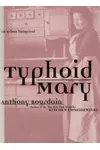
- Typhoid Mary: An Urban Historical (2001) – Bourdain's unique non-fiction investigation into the life of Mary Mallon, the cook who infected dozens of New Yorkers with typhoid fever. It reads like a detective story, blending historical research with Bourdain's unique culinary perspective.
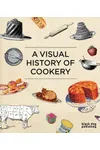
- A Visual History of Cookery (2010) – An illustrated anthology edited by Duncan McCorquodale that features contributions and essays from Bourdain alongside other legendary food figures.
Practical Reader Advice
Can these books be read as standalones? Yes. Outside of the Get Jiro! graphic novels, all of Bourdain's fiction and non-fiction titles are standalone works. However, reading Kitchen Confidential before Medium Raw is highly recommended, as the latter directly references and reacts to the events and fame generated by the former.
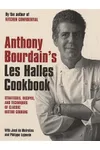
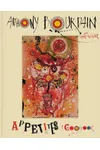
What to know before you start: Bourdain's writing reflects the gritty, chaotic, and sometimes offensive language of professional kitchens. His prose is sharp, cynical, and unflinchingly honest. If you are looking for traditional recipe books, his cookbooks (like Les Halles Cookbook and Appetites) do contain recipes, but they are also packed with his signature storytelling and commentary, making them read more like memoirs with food instructions.