











Where to Start Your Conan Doyle Journey
If you are diving into the works of Sir Arthur Conan Doyle, you are likely looking for the ultimate consulting detective. But while Sherlock Holmes is Doyle's most enduring creation, the author's bibliography spans scientific romance, Napoleonic adventures, and chilling gothic horror. To get the absolute most out of his writing, we recommend starting with the detective who started it all, before branching out into the wild worlds of Professor Challenger and Brigadier Gerard.
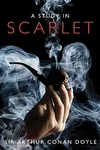
For the ideal entry point, pick up the very first Sherlock Holmes novel, A Study in Scarlet (1887). This is where Dr. John Watson first meets the eccentric Holmes at St. Bartholomew's Hospital and they move into 221B Baker Street. Following it up immediately with the second novel, The Sign of Four (1890), establishes the core elements of their partnership, Watson's romance, and the foggy atmosphere of Victorian London.
The Sherlock Holmes Canon: Publication vs. Chronological Order
The Sherlock Holmes canon consists of four novels and 56 short stories (usually published across five main collections). Readers generally split into two camps when deciding how to read them: the classic Publication Order and the biographical Chronological Order.
The Case for Publication Order (Recommended)
Reading the stories in the order they were published is the most popular and rewarding approach. It allows you to experience Holmes and Watson's dynamic exactly as Victorian readers did. It also prevents major spoilers, particularly surrounding the dramatic events at the Reichenbach Falls in The Memoirs of Sherlock Holmes and the subsequent return of the detective in The Return of Sherlock Holmes. Furthermore, trying to read chronologically can become tedious, as many stories written later in Doyle's life are actually prequels or flashbacks.
Here is how the main collections and novels stack up in publication order:
- A Study in Scarlet (1887) – The first novel, introducing the legendary duo.
- The Sign of Four (1890) – The second novel, featuring the Agra treasure and Mary Morstan.
- The Adventures of Sherlock Holmes (1892) – The first short story collection, containing classics like "A Scandal in Bohemia" and "The Adventure of the Speckled Band."
- The Memoirs of Sherlock Holmes (1894) – Contains "The Adventure of the Final Problem," which Doyle intended to be Holmes's final case. Note: Many databases, including ours, associate The Hound of the Baskervilles (1901) with the end of the Memoirs era, as it was the first Holmes story Doyle wrote after "killing" him off, though it is set before his death.
- The Return of Sherlock Holmes (1905) – The collection that revived Holmes, beginning with the explanation of how he survived in "The Adventure of the Empty House."
- His Last Bow (1917) – A collection containing stories set before and during the outbreak of World War I. This collection contains the novel The Valley of Fear (1914) in many listing structures.
- The Case-Book of Sherlock Holmes (1927) – The final collection of short stories published during Doyle's lifetime, featuring a slightly darker and more varied tone.
The Chronological Timeline
If you want to read the stories as a biography of Sherlock Holmes's life, the order shifts. The early years of Holmes's career (prior to meeting Watson) are explored in flashback stories like "The Adventure of the Gloria Scott" and "The Adventure of the Musgrave Ritual" (both found in The Memoirs of Sherlock Holmes). The timeline then proceeds through A Study in Scarlet, *The Valley of Fear*, and *The Sign of Four*, before weaving through the short stories of the *Adventures* and *Memoirs*, landing on *The Hound of the Baskervilles* (set around 1889), and concluding with the wartime events of "His Last Bow" (set in 1914).
The Professor Challenger Series
If you want a break from crime-solving, Doyle’s sci-fi adventure series featuring the hot-tempered, brilliant Professor George Edward Challenger is a must-read. This series directly inspired classics like *Jurassic Park* and is best read in publication order:
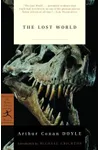
- The Lost World (1912) – Challenger leads an expedition to a South American plateau where dinosaurs still roam.
- The Poison Belt (1913) – A apocalyptic tale where the Earth passes through a toxic ether cloud.
- The Land of Mist (1926) – A novel heavily influenced by Doyle’s later-life devotion to Spiritualism.
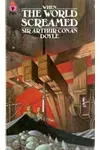
- When the World Screamed (1928) – A short story where Challenger attempts to drill into the Earth's crust to prove it is a living organism.
- The Disintegration Machine (1929) – A short story concerning a dangerous new invention that can dismantle matter.
The Brigadier Gerard Series
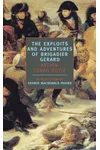
Doyle was incredibly proud of his historical fiction. His stories about Brigadier Etienne Gerard—a brave, fiercely loyal, but hilariously vain Hussar officer in Napoleon’s army—are masterclasses in comedic adventure. They are collected in two main volumes:
- The Exploits and Adventures of Brigadier Gerard (1896)
- The Adventures of Gerard (1903)
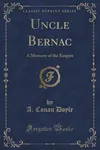
For a complete Napoleonic experience, you can also read Doyle's 1897 historical novel Uncle Bernac, which shares the same setting and features Gerard in a supporting role.
Understanding Anthologies and Modern Reprints
When searching through modern book databases, you might notice Doyle's name attached to contemporary series like The Year of the Cat (a multi-author anthology series launched via Kickstarter in 2020 by editors Kristine Kathryn Rusch and Dean Wesley Smith) or festive collections like Murderous Christmas Stories (edited by Cecily Gayford). These are not new works by Doyle, nor did he co-author them. Instead, these modern anthologies frequently reprint Doyle's classic public domain short stories—such as his Christmas-themed mystery "The Adventure of the Blue Carbuncle" or his gothic tales—alongside contemporary authors.
What to Know Before You Start
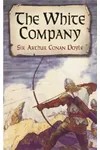
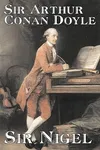
Before you dive in, keep a few things in mind. First, Holmes's cases are largely episodic. Aside from the massive status-quo shift between *The Memoirs* and *The Return*, you can read the short stories in almost any order without losing track of the plot. Second, Doyle's personal favorite works were actually his heavy historical novels like The White Company (1891) and its prequel Sir Nigel (1906). If you enjoy classic medieval adventure and chivalric romance, these standalones are well worth adding to your reading queue.