


Where to Start Reading Arthur Upfield
For readers diving into the sun-baked, mystery-laden outback of Arthur Upfield, the primary attraction is the 29-novel Inspector Napoleon 'Bony' Bonaparte series. Because character growth is relatively subtle and each book functions as a self-contained mystery, you do not strictly have to read them in order. However, following the publication order is highly recommended to appreciate Bony's evolving relationships, his growing reputation with the Queensland Police, and Upfield's developing prose style.
There are two excellent entry points for newcomers:
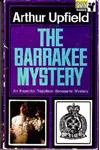
- The Barrakee Mystery (1929): The official debut of Detective-Inspector Bony. It establishes his background, his dual European and Aboriginal heritage, and his unique tracking methods. (Note: This book was also released under the title The Lure of the Bush).
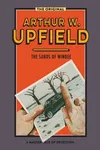
- The Sands of Windee (1931): The second book in the series, but often considered the most famous starting point due to its real-world notoriety. Upfield constructed a 'perfect murder' plot for this novel that was tragically copied in real life by a stockman named Snowy Rowles before the book was even published, leading to a landmark trial where Upfield testified.
Publication Order of Inspector Bonaparte Books
Here is the complete checklist of the Inspector Bony novels in their original release order. Keep in mind that many titles were renamed for American and British editions, which we have noted below.
- The Barrakee Mystery / The Lure of the Bush (1929)
- The Sands of Windee (1931)
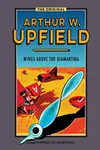
- Wings Above the Diamantina / Wings Above the Claypan (1936)
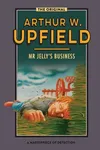
- Mr. Jelly's Business / Murder Down Under (1937)
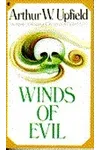
- Winds of Evil (1937)
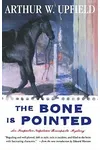
- The Bone is Pointed (1938)
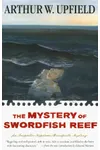
- The Mystery of Swordfish Reef (1939)
- Bushranger of the Skies / No Footprints in the Bush (1940)
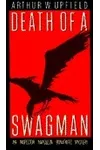
- Death of a Swagman (1945)
- The Devil's Steps (1946)
- An Author Bites the Dust (1948)
- The Mountains Have a Secret (1948)
- The Bachelors of Broken Hill (1950)
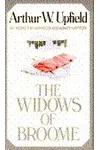
- The Widows of Broome (1951)
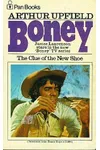
- The New Shoe / The Clue of the New Shoe (1951)
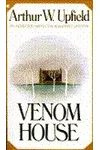
- Venom House (1952)
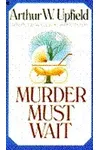
- Murder Must Wait (1953)
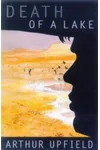
- Death of a Lake (1954)
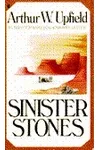
- Sinister Stones / Cake in the Hat Box (1954)
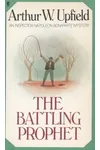
- The Battling Prophet (1956)
- Man of Two Tribes (1956)
- Bony Buys a Woman / The Bushman Who Came Back (1957)
- Bony and the Mouse / Journey to the Hangman (1959)
- Bony and the Black Virgin / The Torn Branch (1959)
- Bony and the Kelly Gang / Valley of Smugglers (1960)
- Bony and the White Savage (1961)
- The Will of the Tribe (1962)
- Madman's Bend / The Body at Madman's Bend (1963)
- The Lake Frome Monster (1966) - Published posthumously, completed by J.L. Price.
Arthur Upfield's Standalone Novels
In addition to the Inspector Bony series, Upfield penned several standalone novels. These books explore similar themes of outback survival, human nature under pressure, and isolation, though they do not feature his signature detective.
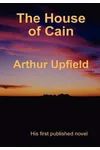
- The House of Cain (1928)
- The Beach of Atonement (1930)
- The Great Melbourne Cup Mystery (1932)
- Gripped by Drought (1932)
- A Royal Abduction (1932)
- Breakaway House (1987) - Published posthumously.
Short Stories, Non-Fiction, and Other Works
For completionists, Upfield's shorter fiction and non-fiction provide deeper context on his outback experiences and the real-life inspirations behind his plots.
Short Stories & Anthologies
- Up and Down Australia (2008)
- Up and Down the Real Australia (2009)
- Up and Down Australia Again (2010)
- Walkabout (2021) - Short Story Collection
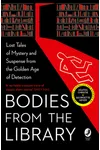
- Bodies from the Library (2019) - Anthology featuring Upfield's work
Non-Fiction
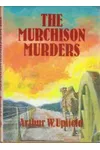
- Murchison Murders (1934) - Upfield's personal account of the Snowy Rowles copycat murder trial.
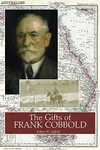
- The Gifts of Frank Cobbold (2008)
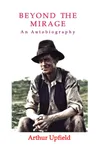
- Beyond the Mirage (2020)
What to Know Before You Start
Arthur Upfield's books are time capsules of mid-20th-century rural Australia. When starting the series, keep these elements in mind:
- The Duality of Bony: Napoleon Bonaparte is portrayed as a highly educated inspector who holds a university degree, yet relies heavily on his Indigenous tracking skills to read the outback environment like a book. His character represents a rare attempt at positive Indigenous representation in early 20th-century crime fiction, though modern readers will notice dated terminology regarding race.
- The Setting as a Character: Upfield spent years working as a boundary rider, camel driver, and gold miner. His vivid, atmospheric descriptions of the Australian wilderness, such as in Death of a Lake or The Will of the Tribe (inspired by his real-life 1948 expedition to Wolfe Creek Crater), make the environment feel like an active participant in the mysteries.
- The Snowy Rowles Trial: When reading The Sands of Windee, it is fascinating to note that Upfield's devised method of destroying a body by burning it with animal carcass, sifting the ashes, and crushing the bones was so realistic that he was called as a star witness in a real-life murder trial after Snowy Rowles used the exact method to commit three murders in the Murchison region.